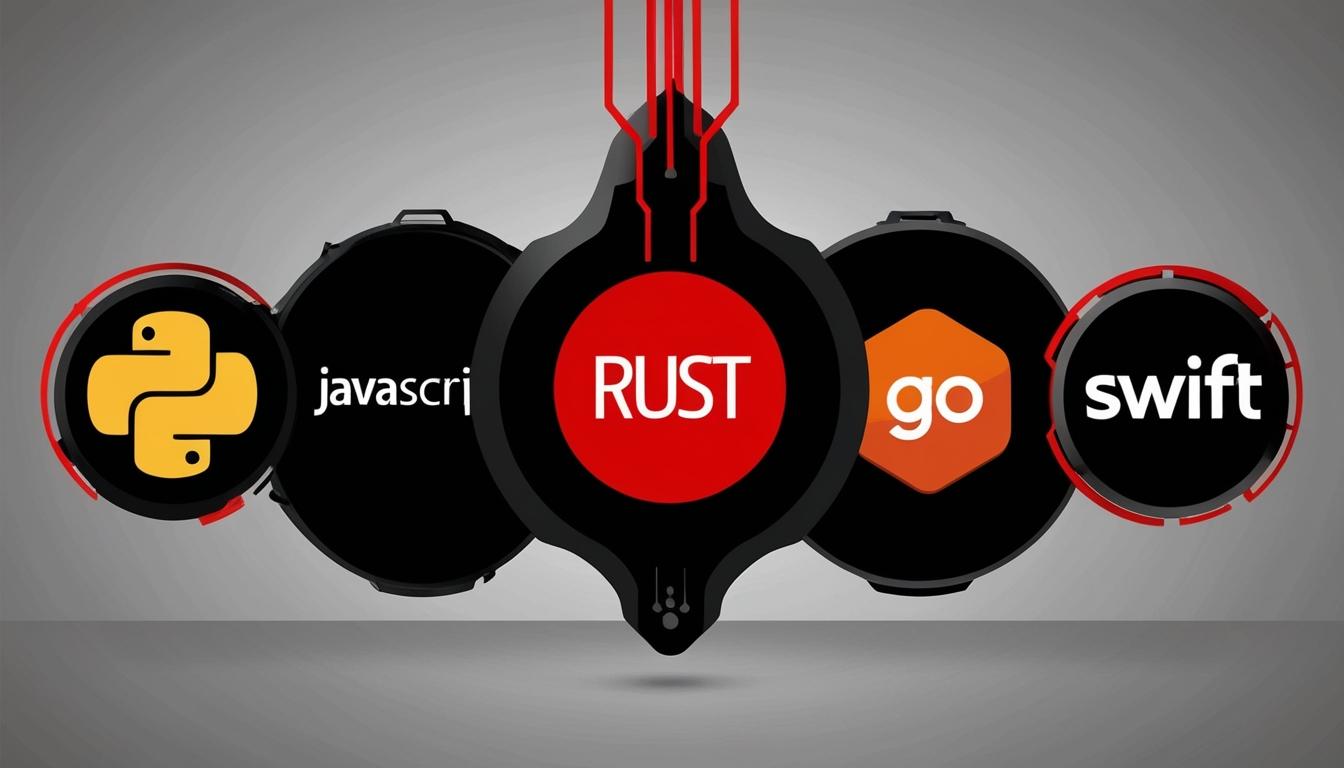
The landscape of programming languages is constantly evolving, with significant implications for industries including artificial intelligence, web development, and app design. As observed by GeekSided, the decision to learn a particular programming language can greatly influence future career opportunities and project engagement. With an expanding array of technologies and shifts in demand, this guide highlights some of the most promising programming languages anticipated to drive innovation in 2025.
One of the key languages shortlisted is Python, which remains a leading choice among developers due to its readability and versatility. Its widespread application spans various domains such as web development, data science, and automation. Python's comprehensive libraries and a robust support community have made it a go-to option for both newcomers and seasoned professionals. It is applicable in areas like AI, game development, and cybersecurity.
Equally significant is JavaScript, a foundational language of web development. Known for enabling dynamic and interactive web pages, JavaScript is supported by frameworks such as React, Angular, and Vue.js. These tools facilitate a smoother learning curve, reinforcing JavaScript’s importance for both front-end and back-end development expectations. Its functionality extends into data visualisation and the creation of chatbots, making it a versatile addition to a developer's toolkit.
Emerging alongside these established languages is Rust, a high-performance programming language that prioritises safety. Its growing popularity arises from its ability to eliminate common programming errors, positioning it as an efficient alternative to languages like C++. Rust excels in system-level programming, key in developing operating systems, file systems, and device drivers. Additionally, it is increasingly leveraged within blockchain and cryptocurrency projects, where security considerations are paramount.
Another modern language gaining ground is Go, created by Google. This language serves as an efficient and straightforward option for software development, especially in cloud services and distributed systems. Its static typing and ease of learning contribute to its appeal, particularly for developing DevOps tools, command line interfaces, and machine learning applications.
Lastly, Swift emerges as a crucial programming language for those engaged in Apple platform development. It is specifically tailored for iOS and macOS applications, showcasing modern syntax and performance enhancements. Swift is increasingly chosen for mobile application development but is also versatile enough for cross-platform projects, embedded systems development, and IoT applications.
As the tech landscape continues to evolve, staying abreast of emerging programming languages and understanding their applications will be vital for current and future technology professionals seeking to navigate this dynamic environment.
Source: Noah Wire Services