Zoom has officially rebranded itself as Zoom Communications, a move that underscores its ambition to position the company as a leader in AI-first solutions for hybrid work environments. This new identity aligns with an overarching vision centred around automating various tasks to enhance workplace productivity, utilising emerging technologies such as personal AI assistants and innovative collaboration tools like Zoom Docs and AI Companion.
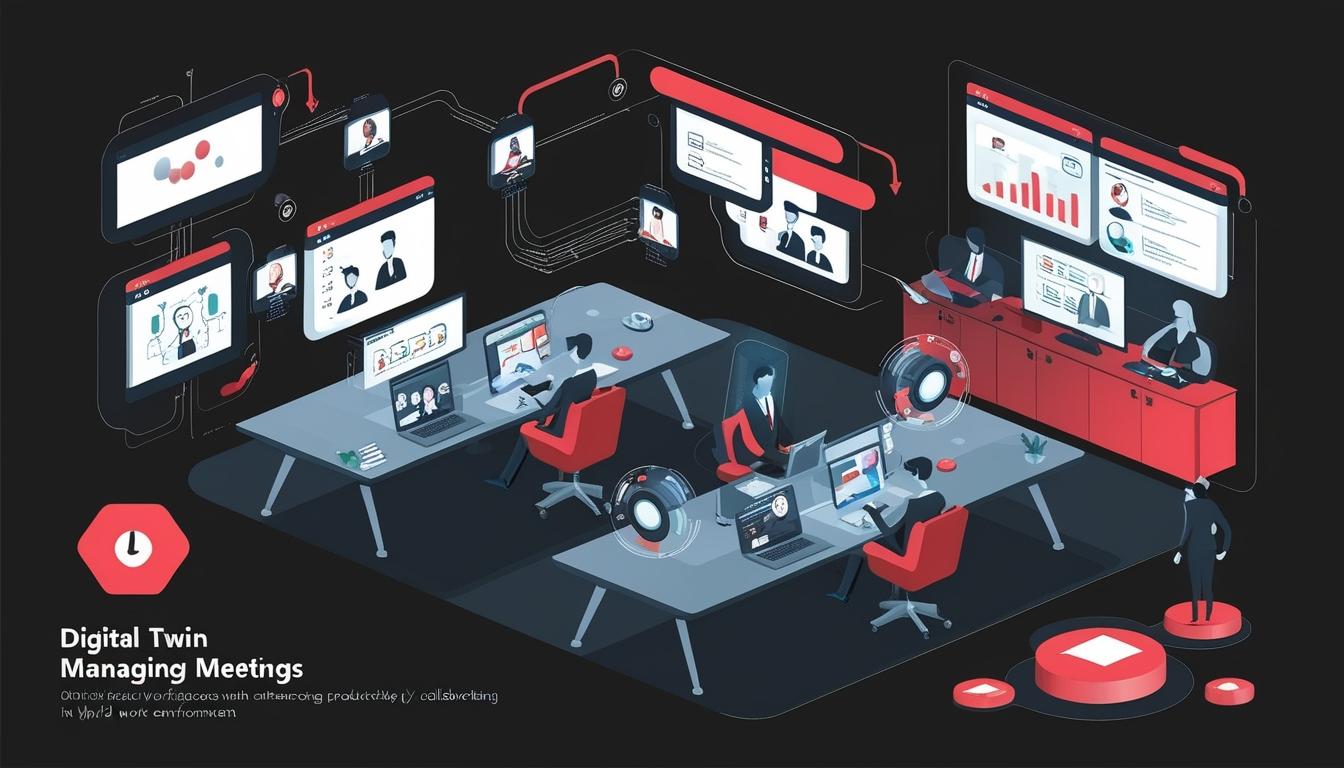
The shift towards an AI-centric model is articulated by Zoom’s CEO Eric Yuan, who has highlighted the introduction of personal AI "digital twins." These digital counterparts are poised to attend meetings, respond to emails, and manage daily responsibilities autonomously. Speaking to Analytics Insight, Yuan explained that this development aims to reduce the workweek while fostering creativity and facilitating greater in-person interactions, ultimately allowing employees more time for family and leisure activities.
Integral to this reimagined approach is the AI Companion 2.0, which is incorporated within the Zoom Workplace platform. This personalised assistant is designed to synthesise information across Zoom Meetings, Team Chat, and Docs, providing users with context-aware suggestions and actions. Its compatibility with external scheduling tools such as Outlook and Google Calendar enhances its utility, ensuring that it assists users in remaining organised.
In addition to personal assistance, Zoom is launching Zoom Tasks, an AI-driven feature that identifies, recommends, and completes tasks based on conversations that occur during meetings, calls, chats, and documents. This tool aims to streamline workflow management by syncing tasks with third-party applications, making tracking progress more effective.
Furthermore, the introduction of AI Companion for Zoom Phone represents a significant enhancement to communication. This feature is engineered to deliver real-time summaries and answers during calls, thus ensuring users remain informed and engaged throughout discussions. It captures key points automatically, alleviating the need for manual note-taking.
To bolster meeting efficiency, Zoom has also rolled out AI-powered meeting agendas that guide users through important topics, ensuring conversations remain aligned with set objectives. This structured approach contributes to more productive meetings.
In the realm of customer service, Zoom is leveraging AI to transform contact centres, addressing several challenges that organisations face today, including repetitive tasks and employee disengagement. The AI-enabled framework aims to empower agents, improving both productivity and customer satisfaction while simplifying processes in the ever-evolving modern workplace.
This comprehensive foray into AI technologies and automation reflects Zoom's commitment to enhancing its services in line with contemporary business demands, positioning itself to redefine how organisations operate within hybrid work structures.
Source: Noah Wire Services