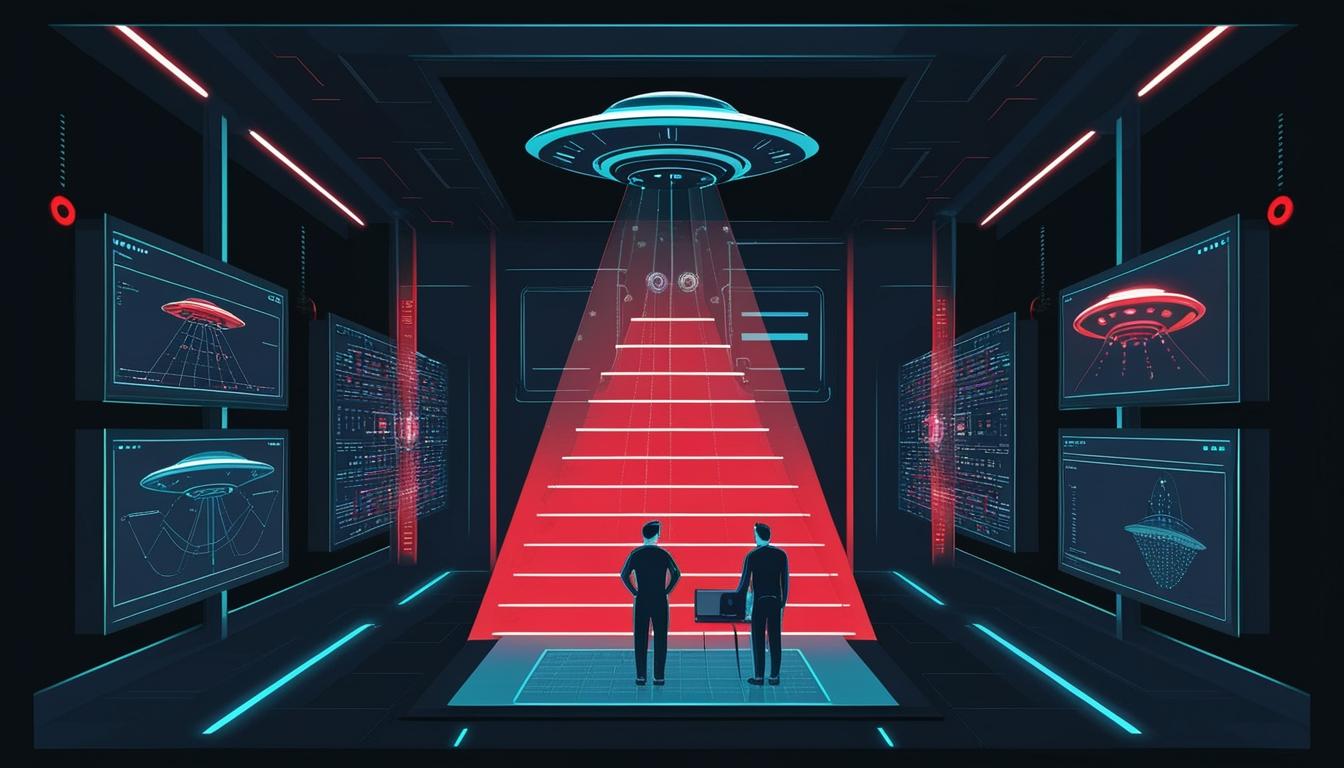
The integration of artificial intelligence (AI) into UFO investigations is ushering in a new era characterised by advanced technologies that promise to reshape the way researchers approach unidentified aerial phenomena (UAP). This evolution is especially pronounced as governments, private organisations, and independent investigators collaborate to harness the power of AI for enhanced analysis and understanding of UFO sightings.
Current advancements in deep learning algorithms and image-processing technologies are proving instrumental in analysing video footage of UAPs with an efficiency and accuracy that were previously unattainable. These innovations allow researchers to delve into vast quantities of data, identifying anomalies and patterns that might escape human scrutiny. By leveraging machine learning models, analysts can distinguish between known aircraft and atmospheric phenomena and those that remain unexplained. This rapid processing capability enables researchers to allocate more time to assess credible footage that could provide groundbreaking insights.
Notably, AI's role extends beyond simple recognition of potential UFOs. Advanced AI tools also evaluate the credibility of the footage itself. By examining various factors such as video resolution, lighting conditions, and flight patterns, AI can ascertain the authenticity of a sighting, filtering out hoaxes and misinterpretations of natural phenomena. This capability is vital in ensuring that the information presented to the public is of higher veracity.
The collaborative landscape of UFO research has experienced a significant shift, with government agencies, private enterprises, and independent research groups coming together to leverage these advanced technologies. Such collaborations represent a new frontier in UFO investigations, creating an environment where resources and expertise are shared, thus enhancing the quality and scope of research endeavours. This synergy is fostering a community dedicated to advancing the collective understanding of UAPs, contributing to more robust investigative practices.
Market forecasts indicate a growing trend towards investing in sophisticated AI systems specifically tailored for UFO research. This trend reflects an increasing interest and acceptance in the utilisation of AI-driven tools within this niche sector, likely leading to broader adoption as well as continuous refinement of these technologies.
However, the incorporation of AI into UFO investigations does not come without challenges. The collection and analysis of significant amounts of data raise security and ethical concerns. Ensuring the privacy and protection of sensitive data is paramount, given the extensive data collection processes involved in such investigations. Establishing ethical standards is also critical to govern the use of AI in identifying and interpreting UAP-related phenomena, thereby preventing the spread of misinformation or unnecessary public agitation.
Looking ahead, the ongoing evolution of AI technologies hints at the possibility of transformative discoveries regarding the longstanding question of extraterrestrial life. As AI tools continue to advance, the potential to reveal profound truths about the universe appears increasingly attainable, paving the way for future explorations into the unknown.
The developments in AI-powered UFO research indicate a significant shift in methodologies, bolstered by collaborative efforts that may soon redefine how humanity interacts with its age-old curiosity about the cosmos.
Source: Noah Wire Services