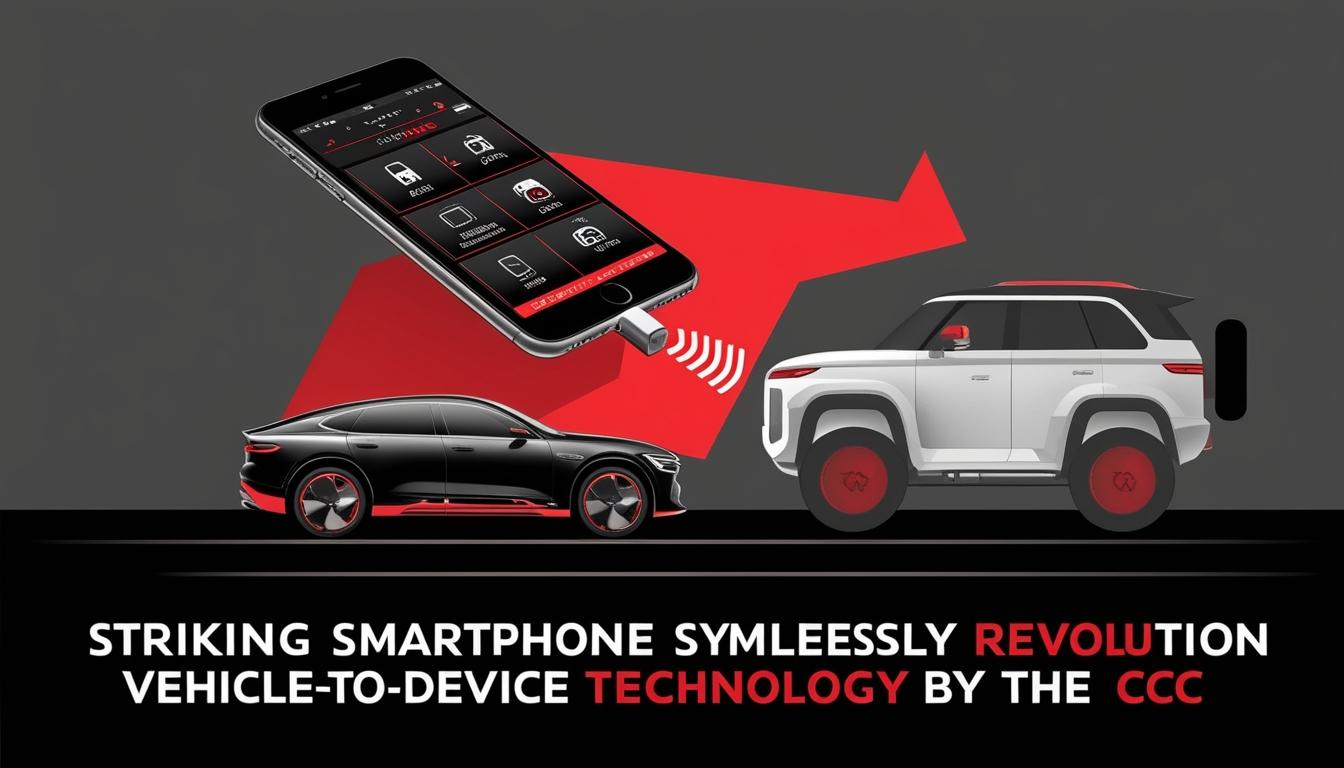
As 2024 draws to a close, the Car Connectivity Consortium (CCC) emerges as a notable player in advancing vehicle-to-device connectivity solutions, boasting significant growth and strategic developments throughout the year. The consortium has achieved a major milestone, surpassing 300 member organisations, which include a diverse array of stakeholders from smartphone and vehicle manufacturers to tier-1 automotive suppliers and technology companies.
Formed to enhance interactions between vehicles and devices, the CCC has focused on several key initiatives over the past year. Among these is the enhancement of its Digital Key certification program, which has expanded its reach and is evolving to improve consumer experiences in automotive technology. The CCC Digital Key allows users to access and operate their vehicles through their smartphones using near-field communication (NFC) technology. In July, the organisation certified its first two digital key products, marking a significant step in standardising vehicle access technology.
Looking ahead to 2025, the certification program will evolve further to include Bluetooth Low Energy (BLE) and ultra-wideband (UWB) technologies, which will facilitate additional remote functionalities such as keyless entry and passive start features. This expansion demonstrates the CCC's commitment to addressing consumer concerns regarding the connected features in vehicles—issues that, according to CCC Chairperson John Sergakis, present a considerable opportunity for increased adoption of this technology. He noted in a press statement that, “consumers still have concerns when it comes to the connected features in their vehicles,” indicating the importance of consumer trust in technological adoption.
The CCC has broadened its influence by actively participating in various industry events, effectively advocating for the necessity of universal standards to foster consumer confidence and facilitate increased uptake of digital key technologies. Key events where CCC representatives have made their presence felt include MOVE America, Tech G, and Mobile World Congress Las Vegas, where they featured demonstrations of the CCC Digital Key technology in action.
Significantly, the CCC has also enhanced its global footprint, with particular emphasis on the Asia-Pacific (APAC) region. This is evidenced by the appointment of Zoe Fan as APAC Director, aimed at fostering stronger partnerships with leading automotive manufacturers and technology companies in the area. “We’ve worked in lockstep with our membership to address these barriers, and I’m immensely proud of our progress this year,” said Sergakis, reflecting on the CCC's collaborative efforts.
Furthermore, the consortium hosted a Plugfest in October in conjunction with major device makers and automotive manufacturers to test the interoperability of the CCC Digital Key. The event focused on BLE and UWB, crucial technologies for the fulfilling potential of the consortium’s specifications. A subsequent Plugfest is scheduled to take place in Munich, Germany, in March, continuing the momentum gained throughout 2024.
The progress made by the CCC does not go unnoticed in the broader automotive landscape, with industry players recognising the increasing necessity for collaboration and standardized practices. Ian Televik, the CCC's Director of Marketing, emphasised during a panel discussion that “standards bodies, like the CCC, are imperative to driving progress” and are essential for ensuring interoperability across different vehicles and devices.
As the CCC gears up for 2025, it stands prepared to play a pivotal role in shaping the future of connected vehicles, driven by an extensive network of members focused on delivering seamless automotive connectivity for consumers worldwide.
Source: Noah Wire Services