As 2025 approaches, data centre operators are preparing to implement various new cooling technologies and techniques, reflecting a significant shift in industry practices driven by the growing need for efficiency and sustainability alongside rising energy demands. The report from Data Center Knowledge outlines six key trends that are poised to shape the landscape of data centre cooling as businesses adapt to the increasing heat generated by advanced artificial intelligence (AI) workloads.
The first notable trend is the rising heat challenges faced by data centres. The expanded deployment of AI applications, which inherently produce more heat than traditional systems, places additional demand on cooling infrastructures. As a result, operators are not merely focusing on cost savings and carbon reduction; they must ensure that their facilities can effectively manage the heat generated by these advanced technologies.
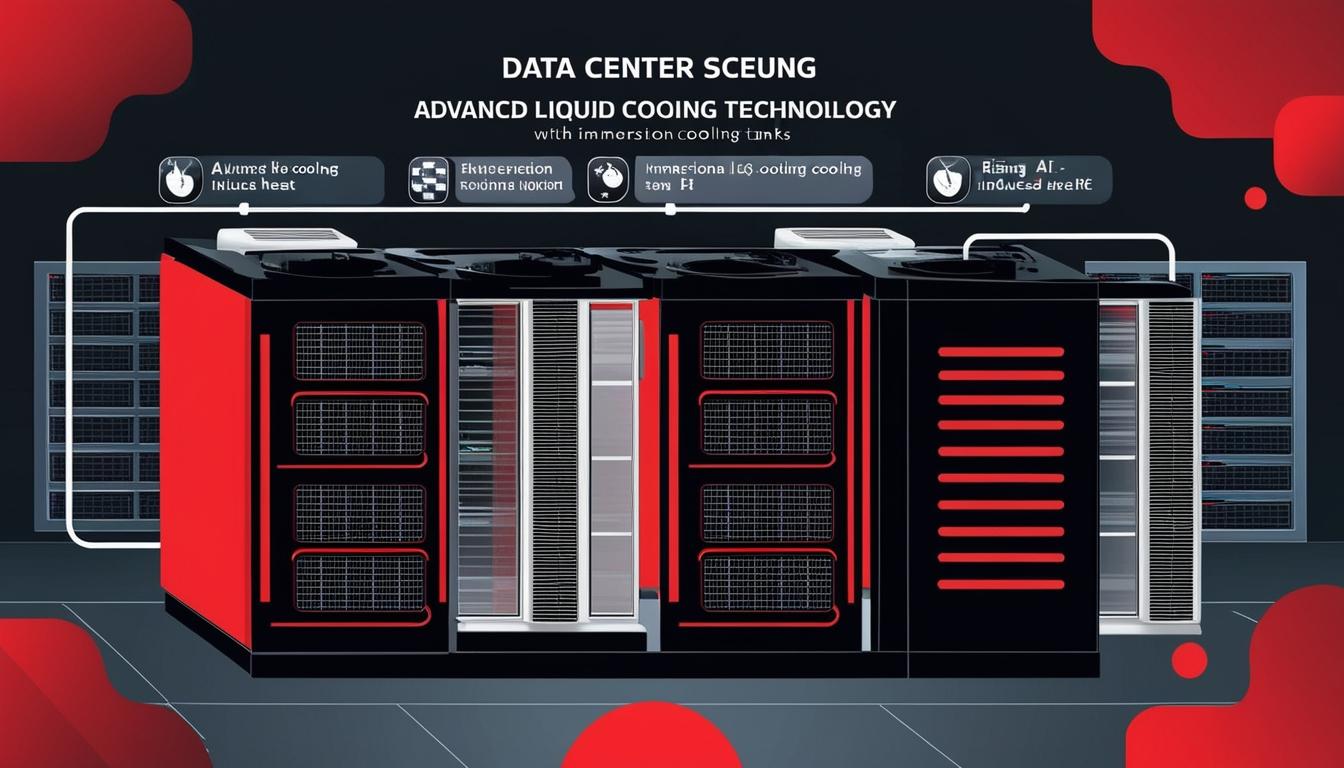
In response to these challenges, the adoption of liquid cooling systems is expected to increase. These systems, which feature methods like immersion cooling—where equipment is submerged in a non-conductive liquid—and direct-to-chip cooling, are more effective at dissipating heat compared to conventional air cooled systems. While the IDC reports that currently 22% of data centres have liquid cooling technologies, this figure is anticipated to grow as operators seek to contend with the intensified heat loads associated with AI workloads.
Additionally, there is a focus on implementing low-cost improvements to existing chilled-air systems. Simple upgrades, such as optimising fan placements or sealing unoccupied areas to prevent unnecessary cooling, can enhance system performance. While these tweaks may yield modest performance boosts of 10-20%, they are seen as desirable alternatives that can allow facilities to support heat-intensive operations without significant capital investment in new cooling systems.
Another emerging strategy is the creative reuse of heat generated by cooling systems. With sustainability as a core focus, data centres are exploring ways to repurpose excess heat for community benefits—such as heating residential properties, swimming pools, or even cultivating plants. The pursuit of such heat reuse practices is already gaining traction and is expected to expand further in 2025, as businesses seek to enhance their sustainability credentials.
Moreover, the implementation of cooling system analytics is set to grow, facilitated by advancements in AI technology. Monitoring equipment through sensors and analysing temperature data can help operators pinpoint inefficiencies within the cooling system. Identifying areas where cooling is excessive or inadequately managed will be essential for optimising performance and reducing energy waste, making this a vital consideration for the future of data centre management.
Finally, the trend of operating at higher target temperatures is gaining momentum. Historically, data centres have maintained temperatures in the low-70s degrees Fahrenheit. However, companies like Equinix have begun experimenting with higher thermal settings, achieving success without overheating their IT equipment. By adjusting target temperatures to the higher 70s, these operators have been able to alleviate some of the burden on cooling systems while simultaneously decreasing energy consumption.
As the industry continues to evolve, these trends signal a significant transformation in how data centre cooling is approached in the coming years. The drive for efficiency, sustainability, and adaptation to emerging technologies will likely redefine best practices and investment strategies across the sector.
Source: Noah Wire Services