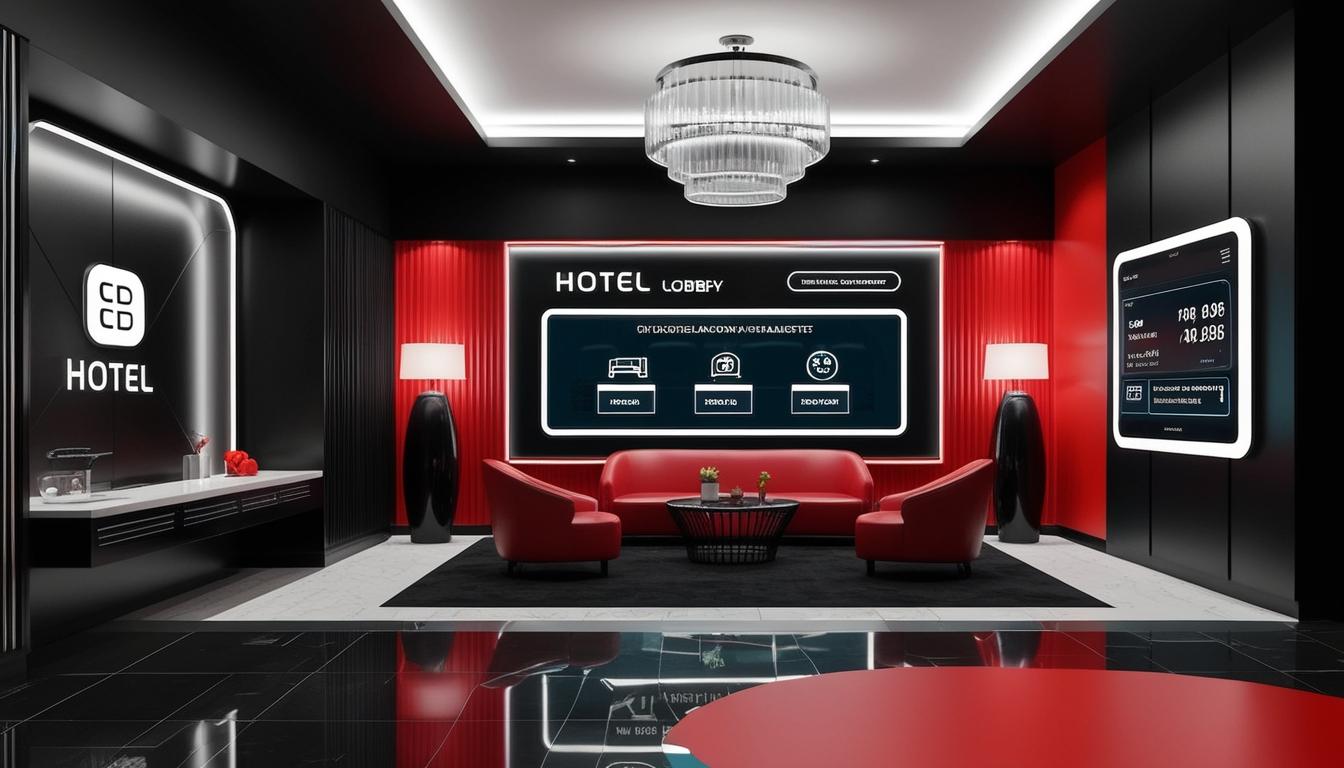
The hospitality industry is undergoing significant transformation driven by advancements in technology, particularly through the adoption of hotel booking systems and Property Management Systems (PMS). These digital solutions are essential in delivering remarkable guest experiences while adeptly managing the complexities of hotel operations.
A hotel booking system serves as an integral tool facilitating the reservation process for both guests and hotel staff. This system allows guests to book rooms directly via the hotel's website or through third-party platforms, granting hotel personnel the ability to manage availability, pricing, and confirmations seamlessly. The system is designed to enhance the booking experience for travellers, streamlining processes and minimising common issues such as overbooking.
Features of modern hotel booking systems are increasingly sophisticated, incorporating real-time room availability, secure payment gateways, and automated notifications. This automation allows for immediate confirmation of reservations, comprehensive updates to room inventory, and integration across various platforms. Such functionality significantly reduces human error and facilitates a stress-free booking process for guests.
In parallel, Property Management Systems (PMS) elevate operational efficiency within hotels. While hotel booking systems specifically focus on reservations, PMS encompass a wider array of hotel management tasks. These systems become the backbone of hotel operations, managing everything from guest check-ins and check-outs to housekeeping schedules and billing processes. Integration between hotel booking systems and PMS creates a unified management hub, promoting a streamlined approach that enables staff to prioritise enhancing guest service.
Several key features characterise an effective hotel booking system. Real-time availability is paramount, providing guests with instant access to available rooms, thereby minimising booking conflicts. Integrated secure payment solutions accommodate various currencies and methods, catering to an international clientele. Additionally, channel management features ensure accurate synchronisation of availability and pricing across multiple booking platforms, averting the risk of overbookings. Customisable booking widgets enable hotels to tailor the booking interface to align with their branding, enhancing the overall guest experience. Automated notifications keep guests informed at all stages of their journey, from booking confirmations to reminders.
The advantages of a PMS for hotels extend to optimising daily operations, supporting effective coordination of housekeeping tasks based on room occupancy, and maintaining updated guest profiles containing preferences and histories for tailored experiences. Streamlined check-in and check-out processes are achieved through automatic updates of room statuses, facilitating smoother transitions between guests. Furthermore, built-in financial reporting tools provide critical insights into revenue, occupancy rates, and operational costs, empowering hotel managers to make informed decisions.
The synergy between hotel booking systems and PMS is particularly noteworthy. Together, they establish a cohesive framework that accommodates every aspect of hotel management—from initial reservations to post-stay feedback. This integration ensures that when a guest books a room, the PMS is updated instantaneously, enabling housekeeping to prepare for incoming arrivals and ensuring that guest preferences are documented for future reference.
The relevance of these systems in today's hospitality environment cannot be understated. Highly competitive market conditions necessitate that hotels not only satisfy but exceed guest expectations. Implementing a modern hotel booking system, in tandem with a comprehensive PMS, allows établissements from small family-run inns to expansive luxury resorts to manage resources effectively, reduce potential operational challenges, and provide memorable experiences to their guests.
Looking towards the future, the hospitality sector is poised to benefit from the incorporation of advanced technologies such as artificial intelligence and enhanced mobile accessibility. Innovations such as predictive analytics, personalised recommendations, and instant guest support are on the horizon, promising to reshape how hotels interact with their clientele. For hoteliers, investing in these technological solutions extends beyond mere competitiveness; it lays the groundwork for sustained success in an increasingly digital landscape. Embracing such advancements not only streamlines operations but also fosters improved guest satisfaction, positioning hotels to flourish in an evolving industry.
Source: Noah Wire Services