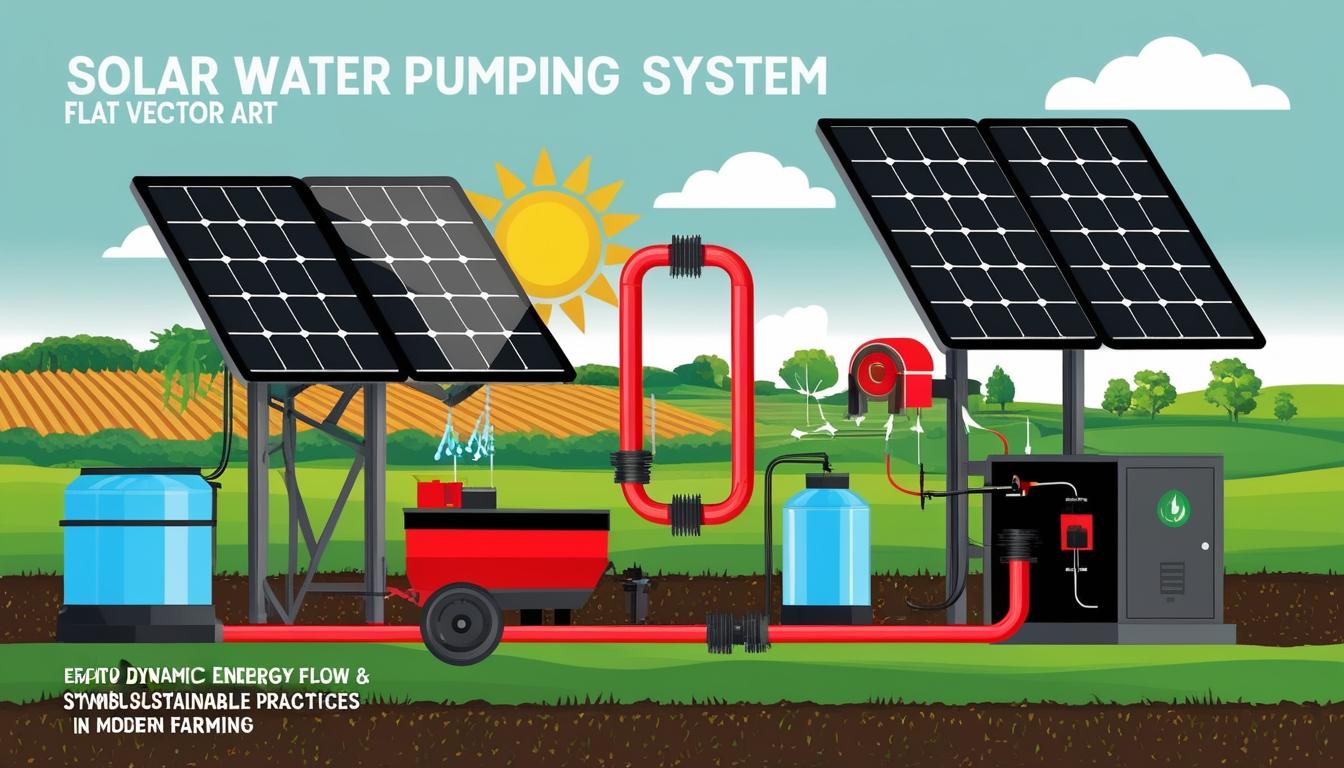
Recent research published in PLOS ONE has introduced a significant advancement in solar water pumping systems (SWPS) through the development and implementation of an innovative optimization technique that harnesses the potential of solar energy for agricultural applications. This study focused on enhancing the efficiency of SWPS by integrating a Maximum Power Point Tracking method based on the Bat Metaheuristic Optimizer (MPPT-bat) tailored for photovoltaic generators (PVGs), accompanied by Direct Torque Control (DTC) for the induction motor that powers the pumps.
The drive towards sustainable agriculture has been increasingly evident, particularly in regions facing insufficient rainfall and water shortages. Traditionally, farmers have relied on diesel or butane pumps, which pose environmental challenges. In contrast, solar-powered solutions are now being recognized as both eco-friendly and economically viable alternatives. The study highlights how solar water pumping is becoming an essential strategy for ensuring adequate water supply within agriculture, especially in areas constrained by limited water resources.
The paper underscores the pressing global energy challenges, which encompass dependence on fossil fuels and significant environmental concerns tied to greenhouse gas emissions. The transition to renewable energy sources, particularly solar energy, is deemed vital for addressing these issues. The optimised use of solar power offers a pathway not only to meet growing energy demands but also to combat climate change through reduced emissions.
One notable aspect of the research is the MPPT-bat technique, which deviates from traditional tracking methods that often struggle with responsiveness to climatic changes. Unlike older techniques such as Perturb and Observe (P&O) or Incremental Conductance (INC), the MPPT-bat approach utilises principles from biology to adapt to varying weather conditions, thus ensuring consistent energy availability and improved system longevity. The integration of DTC plays a crucial role, as it allows for precise and real-time adjustments to motor torque, directly correlating the power generated by the PVG and the energy consumption of the pump motor.
The study's findings confirm that the combination of MPPT-bat and DTC not only enhances the overall performance of solar water pumping systems but also ensures their effectiveness under a range of environmental conditions. Key performance indicators such as tracking speed, oscillations, and robustness show substantial improvement, leading to increased water flow rates for irrigation purposes. Furthermore, the research points out the necessity of a carefully selected setpoint profile based on actual irradiance data to evaluate the proposed techniques accurately.
The future of solar-based agricultural practices looks promising, with these systems offering a reliable alternative for irrigation and sustainable water management. The research contributes significantly to the body of knowledge related to solar technologies, paving the way for further innovations in renewable energy applications within the agricultural sector.
In conclusion, the integration of advanced optimisation techniques such as MPPT-bat and DTC into solar water pumping systems marks an essential step towards enhancing energy efficiency and supporting the transition to sustainable agricultural practices. This not only aids in addressing water scarcity but also aligns with broader environmental goals by reducing reliance on conventional, fossil fuel-based irrigation systems. The ongoing research in this area will continue to play a critical role in shaping the future of environmentally responsible agricultural solutions.
Source: Noah Wire Services