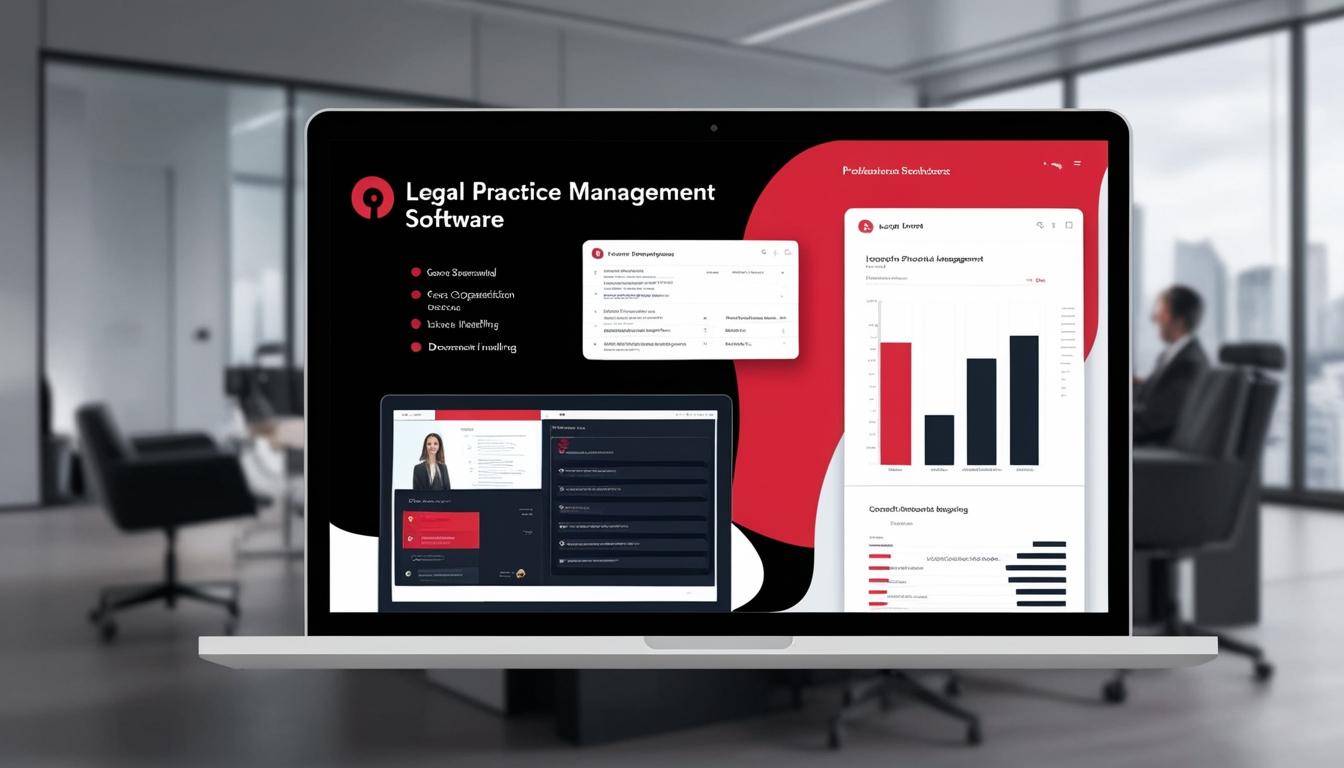
In the contemporary legal landscape, law firms are increasingly turning to legal practice management software as a vital tool for enhancing operational efficiency. As detailed in a recent feature by Customer Service Manager Magazine, these software solutions are reshaping business practices within legal establishments by streamlining numerous activities that previously consumed significant amounts of time and resources.
Law firms often grapple with the complexity of managing multiple cases simultaneously. The introduction of legal practice management software addresses this challenge by providing a comprehensive system for sorting and organizing cases, ensuring that critical deadlines are adhered to. By automating key tasks such as document organisation and appointment scheduling, firms can make better use of their resources, thus limiting errors and allowing personnel to focus on tasks that leverage their specific expertise.
Effective communication is paramount in the legal profession, and legal management software enhances this aspect by consolidating data and facilitating collaboration among colleagues. This improved communication helps ensure that all team members are informed about any developments, contributing to more efficient decision-making processes. As noted in the publication, this can significantly enhance the service provided to clients by allowing for quicker responses to their queries and concerns.
Additionally, client expectations around communication and case updates have risen sharply. The integration of legal practice management software enables law firms to provide timely updates to clients, fostering trust and satisfaction. The operational efficiency afforded by these systems not only allows firms to manage cases effectively but also has the potential to increase revenue while maintaining high service quality.
Financial management is another critical aspect of a law firm's operations that benefits from this technology. The software includes features such as expense tracking, invoice generation, and comprehensive account management, ensuring that firms can adhere to financial regulations while managing their cash flow wisely. This meticulous financial oversight empowers law firms to make informed decisions about their long-term viability and operational efficiency.
Data security remains a top priority for law firms, given the sensitive nature of client information. Legal management software places a strong emphasis on data protection through measures such as encryption and secure access controls. Such features ensure compliance with privacy laws and help to protect client data from potential breaches, thereby preserving the firm's integrity and building client trust.
As law firms evolve and expand, the needs of their operations also shift. Legal practice management software offers the flexibility to adapt to these changing requirements—whether that involves broadening the range of legal services offered or increasing client engagement. This adaptability is crucial for firms aiming to remain competitive in an ever-changing market.
Moreover, effective strategic planning within a law firm necessitates an understanding of performance metrics. Advanced reporting features offered by these software systems allow for an in-depth analysis of case progress, team productivity, and financial stability. Through this data-driven approach, firms can identify areas for improvement and make strategic decisions that promote sustained growth.
Managing legal documentation can be cumbersome, but the software provides solutions that streamline document handling. Features such as keyword-based search functionalities and version controls make it far easier for legal practitioners to access necessary documents swiftly, thus reducing the time spent on administrative tasks and allowing greater focus on client service.
Integrating such technology into existing systems may appear daunting, but many legal practice management software solutions are designed to work in harmony with already established workflows. This seamless integration facilitates the implementation of new technology without disrupting daily operations, ultimately helping law firms enhance productivity and overall workflow.
In conclusion, the role of legal practice management software has shifted from being a luxury to a necessity within law firms. According to Customer Service Manager Magazine, the benefits associated with these tools, which include heightened efficiency, improved client service, and robust data handling practices, significantly elevate the standard of legal practice. As the sector continues to advance, law firms that embrace these technological solutions are more likely to thrive in an increasingly competitive environment.
Source: Noah Wire Services