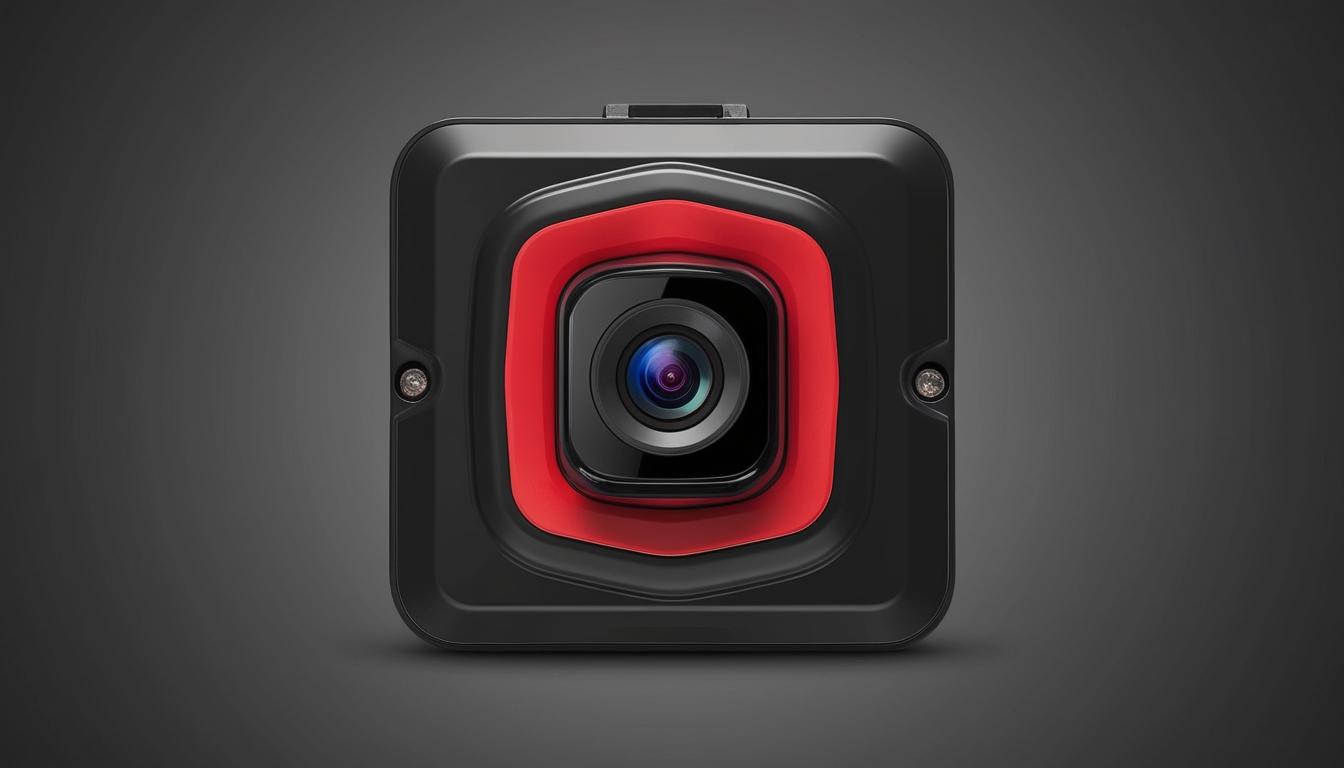
In a significant development poised to reshape the automotive technology landscape, LG Innotek has unveiled its innovative RGB-IR In-Cabin camera module, aimed at enhancing vehicle safety and passenger comfort. This breakthrough was announced by CEO Moon Hyuksoo, who described the module as an integration of advanced sensor technology that will play a pivotal role in the evolution of autonomous driving.
The RGB-IR In-Cabin camera module is designed to monitor various aspects of passenger and driver behaviour, such as detecting driver fatigue and inattention, while also keeping track of passenger activities. By 2030, LG Innotek projects that the automotive sensing business, bolstered by this technology, will expand into a USD 1.4 billion sector. The transition toward automated vehicles will likely create heightened demands for effective driver monitoring systems.
Historically, in-cabin cameras have had limited functionalities, necessitating multiple cameras to cover different roles. LG Innotek’s latest offering revolutionises this concept by integrating these capabilities into a single high-performance unit. The camera boasts a five-megapixel RGB-IR sensor, which captures both visible and infrared light with a resolution five times greater than conventional models, facilitating accurate occupant monitoring and advanced entertainment features, such as video calls. Its cutting-edge wide-angle technology provides an impressive 143˚ Horizontal Field of View (HFOV), ensuring comprehensive visibility across both front and second-row seats—essential for monitoring driver condition and passenger safety, even in low light.
The module’s compact design signifies a notable leap forward, achieved through an innovative “wedge bonding” process that has reduced the module's size by 15% compared to its predecessors. This miniaturisation not only conserves space within vehicles but also affords manufacturers greater flexibility in design. The wedge bonding technique employs ultrasonic energy, allowing for a more efficient construction method that eliminates traditional heating processes, thereby facilitating seamless integration into confined spaces such as rear-view mirrors or dashboard panels.
As global safety regulations evolve, the role of in-cabin monitoring systems is becoming increasingly critical. The anticipated regulations in Europe, set to mandate Driver Monitoring Systems by 2025, are expected to be mirrored in markets such as the United States and Japan. In this context, the RGB-IR In-Cabin camera module is well-positioned to assist automakers in meeting these new compliance standards, providing a comprehensive safety solution while simultaneously enhancing the passenger experience through various entertainment and convenience features.
This technology is just one facet of LG Innotek’s broader strategy, which includes the development of high-performance LiDAR systems and heating camera modules for both interior and exterior applications. With its expertise in optical technology, LG Innotek is committed to producing high-value products that significantly enhance safety and driving experiences.
As articulated by CEO Moon Hyuksoo, vehicle sensing solutions are integral to LG Innotek’s future focus. The company's ambition to attain a considerable share of the automotive sensing market—which S&P Global forecasts will expand from USD 6.923 billion in 2023 to USD 10.769 billion by the decade's conclusion—highlights their determination to innovate and set new benchmarks within the industry.
LG Innotek is set to showcase the RGB-IR In-Cabin camera module and other pioneering technologies at the upcoming Consumer Electronics Show (CES) in Las Vegas. This platform will offer automakers and technology stakeholders the opportunity to gain insights into the company's vision for the future of vehicle sensing.
In summary, the introduction of LG Innotek’s RGB-IR In-Cabin camera module signifies a forward-looking step towards the future of automotive safety and technology. Combining compact engineering, high-resolution optics, and multifunctional capabilities positions this innovation at the forefront of the automotive industry's march towards a more automated and user-centric future.
Source: Noah Wire Services