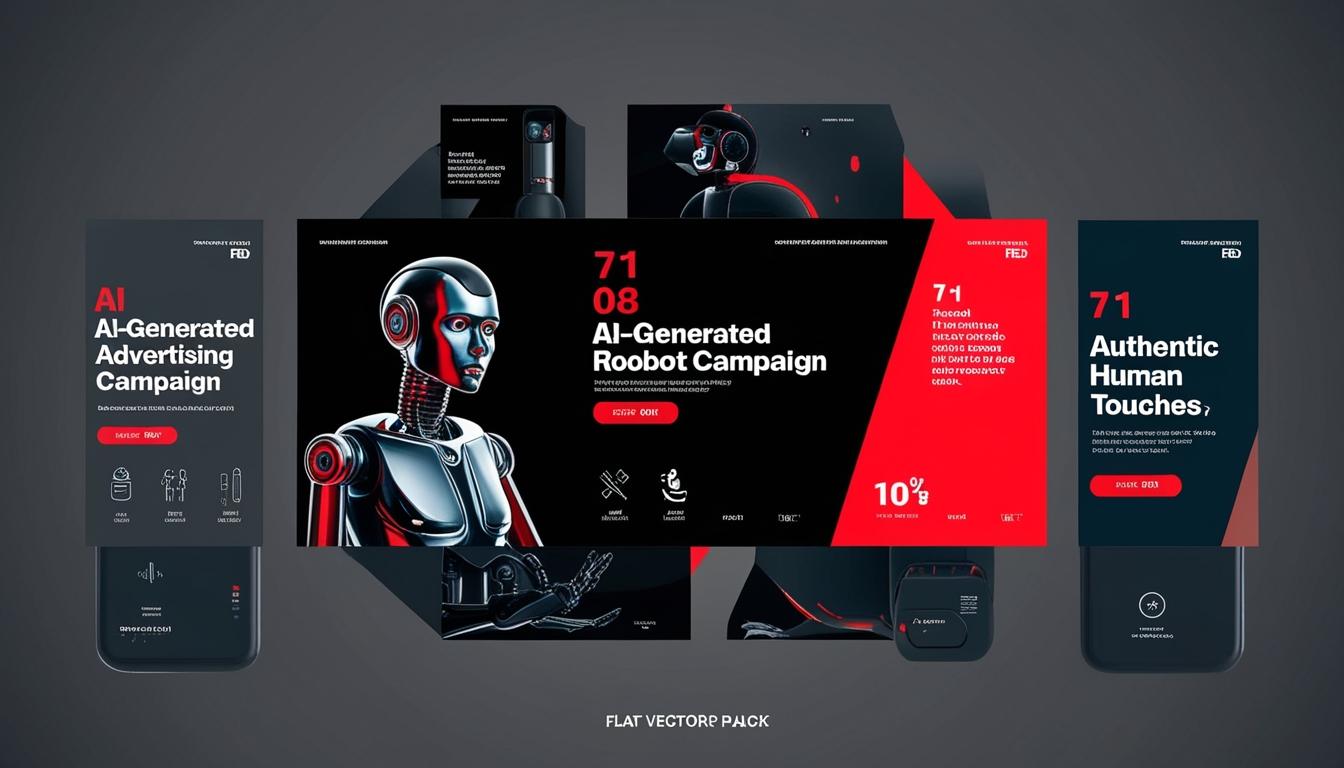
In an era marked by rapid advancements in artificial intelligence, particularly generative AI, marketers have enthusiastically embraced the technology to enhance their brand activations. As the field evolves into its second year of integrating generative AI, industry leaders are seeing a shift in their approach to advertising. However, consumer reception appears to lag behind this wave of enthusiasm, with many ads created through generative AI facing criticism from the public, including members of the creative community.
Throughout 2024, several prominent brands, including Toys R Us, Under Armour, and Coca-Cola, have rolled out advertising campaigns that visibly incorporated elements of generative AI. Notably, Google's use of generative AI in an Olympic advertisement, which faced quick backlash and was subsequently pulled, highlights the discrepancies between marketing intentions and public perception. Critics argue that the quality and authenticity of these AI-generated ads often fall short, as expressed by John Cornette, chief creative officer at creative agency EP+Co. Speaking to Digiday, Cornette noted, “We aren’t looking or hoping for AI to replace everything or everyone, just give us access to more intelligence around our ideas and speed our ideas to market.”
Despite the mixed responses, predictions suggest that 2025 will see an increase in the adoption of generative AI among marketers and agencies. The focus now turns to understanding the negative feedback surrounding these early campaigns. Insights from industry creatives indicate that the perceived lack of human touch in generative AI-centric advertisements could be at the heart of the public's dissatisfaction. Eva Neveau, chief creative officer of Omnicom Production, articulated this concern by stating, “What we are seeing in the [AI infused] work is that they aren’t authentic and that they don’t have true emotion in them.”
Marketers face additional challenges beyond creative shortcomings. The backlash from consumers and industry professionals alike highlights a growing discomfort with the robotic, impersonal nature of some generative AI advertisements. Bill Oberlander, co-founder and creative chairman of agency Oberland, remarked, “All these AI [ads], to me, are not memorable because they just don’t have the human spirit in them.” This sentiment raises critical questions about the trajectory of advertising in a landscape increasingly influenced by technological capabilities.
The appeal of generative AI lies in its potential to expedite the advertising creation process, reducing costs and time. Paul Malmstrom, founding partner at Mother, reiterated this perspective by highlighting the advantages of quickly producing content without extensive shooting schedules or high production costs. Yet, Malmstrom cautioned that this efficiency risked leading to a “race towards genericism,” where distinctiveness—a cornerstone of effective branding—might be compromised.
As marketers navigate the complexities of integrating generative AI, the ultimate goal remains the creation of ads that resonate with audiences. Dave Snyder, partner and head of design at Siberia, emphasised that brands should not equate the adoption of new technology with innovation. “Brands shouldn’t feel that just by using a technology it makes them ‘innovative,’” Snyder asserted. Despite the ongoing discussions regarding the effectiveness of generative AI in advertising, it is anticipated that a significant number of ads and experiences produced using this technology will continue to emerge in the market, with both positive and negative outcomes.
Source: Noah Wire Services