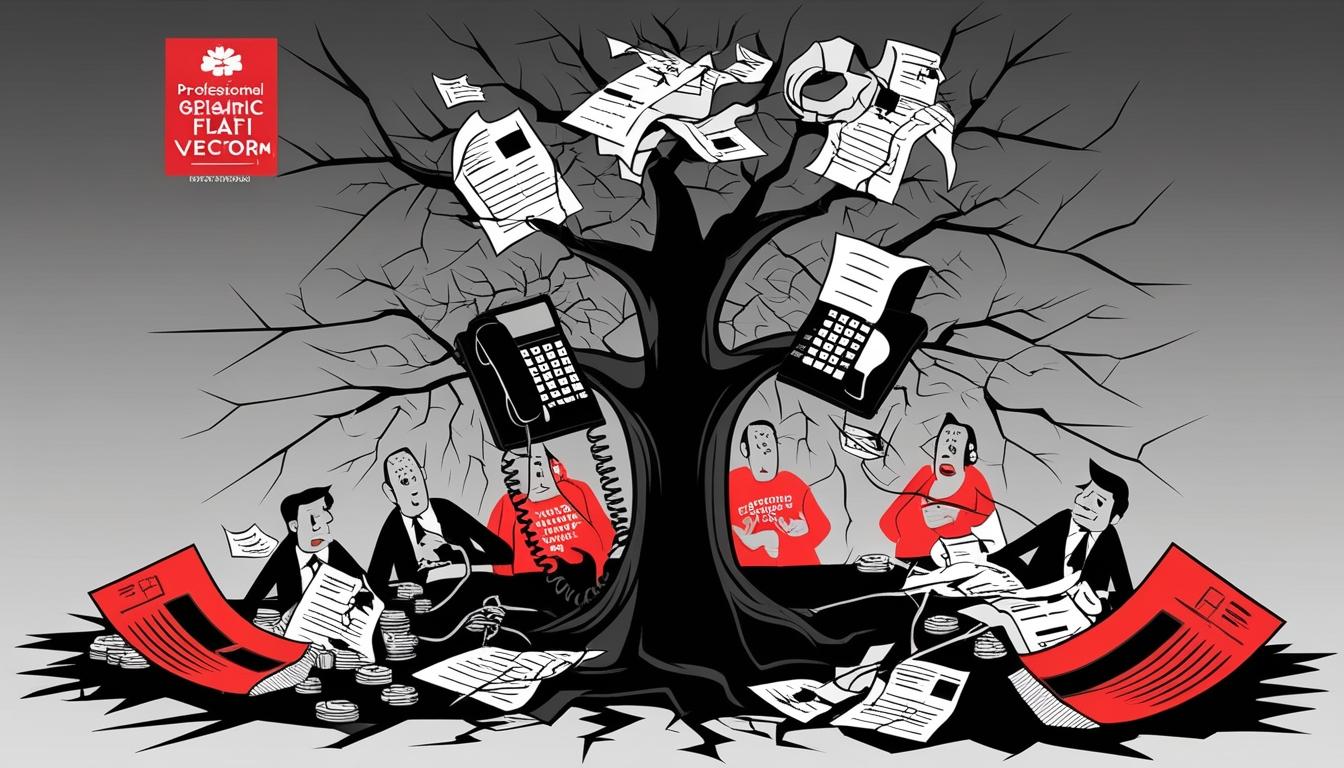
The shocking murder of UnitedHealthcare CEO Brian Thompson on December 4 has reignited discussions around the complex and often frustrating landscape of healthcare accessibility in the United States. In the aftermath of this tragedy, numerous stories have emerged highlighting the various challenges that patients face when attempting to navigate the healthcare system.
Healthcare experts are calling for an overhaul of the system, arguing that the ongoing blame game overshadows the pressing need to confront the many barriers that patients encounter across every stage of care. The economic cost and time lost due to these obstacles are substantial, and many are urging a reevaluation of current practices.
A significant problem patients encounter is the difficulty in finding a healthcare provider. Many online directories of healthcare providers are outdated, requiring patients to make multiple calls to ascertain which providers accept their insurance and understand their network status. Residents in rural areas often face additional hurdles, particularly those on Medicaid, as they may need to travel great distances to locate a suitable provider. Personal experiences are indicative of these trends; for example, an individual detailed how they had to seek various providers in neighbouring towns following the closure of their local clinics, which is attributed to a trend of consolidation within the healthcare industry.
Another prevalent challenge is securing an appointment. Patients often face an average wait of three weeks, with variability across different specialist services. In situations where immediate care is required, individuals frequently resort to urgent care clinics or emergency departments, which can lead to higher out-of-pocket expenses. One account illustrated this predicament when a patient’s husband scheduled a visit to a primary care physician (PCP), only to discover the office had closed down prior to the appointment without any follow-up to reschedule.
The financial aspects of healthcare present perhaps the most daunting challenge. Despite legislative efforts aimed at increasing price transparency and reducing unexpected bills, many patients remain oblivious of their care costs until they receive an Explanation of Benefits (EOB) long after the service has been provided. Experiencing confusion and shock over the amounts owed is common; one individual recounted receiving two separate EOBs requesting $1,000 for infertility services rendered years earlier, exemplifying the lack of clarity and follow-through following treatment.
In an even more striking example, a husband received an EOB stating a charge of $911 million for a COVID-19 vaccine—a clear transcription error but nonetheless a source of anguish as he navigated hours of frustrating phone calls seeking clarification.
These pervasive issues contribute to delays or even the avoidance of necessary medical care. Experts contend that significant reforms in healthcare are challenging in the current political climate. Yet, there are potential avenues for addressing these setbacks, particularly through the utilisation of generative artificial intelligence (AI).
Emerging technologies in generative AI are currently being developed to address scheduling challenges and reduce missed appointments. Additionally, there is an opportunity for generative AI to enhance accuracy in insurance coding and billing, although supporting evidence for its efficacy in healthcare remains limited. Experts assert that financial incentives for providers are critical for promoting the adoption of AI solutions. A notable example of technology integration is the surge in telehealth during the pandemic, largely driven by enhanced reimbursement policies for healthcare providers.
However, there are still significant gaps in addressing the current obstacles effectively, mostly because providers and insurance companies face little motivation to implement the necessary changes. Interestingly, there appears to be a willingness among patients to pay generative AI companies for applications that could simplify their interactions with healthcare systems, such as automated assistance in navigating complex phone trees or appointment scheduling.
While technology alone may not rectify all of the systemic issues within healthcare, it holds potential as a transformative force. Moving forward, there is a critical need for an open dialogue around aligning the incentives of patients, healthcare providers, insurers, and technology firms to prioritise solutions that genuinely address the needs of patients.
Source: Noah Wire Services