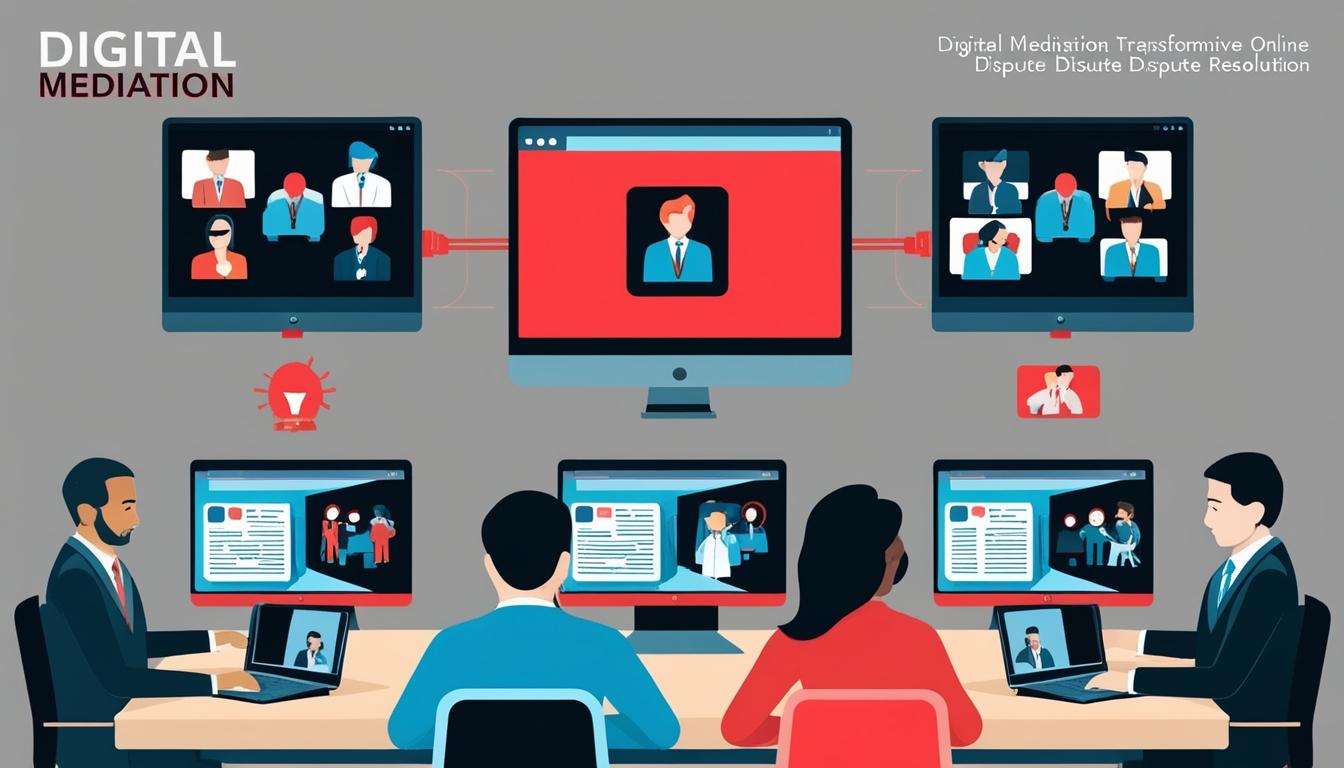
In the rapidly evolving landscape of dispute resolution, online dispute resolution (ODR) is emerging as a transformative approach, particularly following the adaptations necessitated by the COVID-19 pandemic. The 5 Towns Jewish Times reports that ODR is harnessing digital platforms to enable parties to resolve conflicts remotely, marking a significant shift in traditional mediation practices.
The pandemic necessitated the exploration of remote alternatives in various professional arenas, including mediation. As courts and businesses began to encounter physical restrictions, the potential of online platforms became increasingly evident. Initially viewed as a temporary measure, ODR has evolved into a key component of mediation, with tools such as Zoom, Microsoft Teams, and specialized software facilitating interactions among parties from various locations. These platforms allow mediators not only to conduct discussions but also to engage in private caucuses and share documents seamlessly.
A significant benefit of ODR is its enhanced accessibility. By eliminating geographical limitations, ODR enables effective conflict resolution for individuals situated in different cities or even countries. This feature is particularly advantageous in international disputes or for those with mobility issues. Cost-effectiveness is another important aspect, as ODR helps eliminate travel or venue rental fees, making mediation more affordable. Moreover, the convenience of remote participation allows for quicker resolutions, which is complemented by the informal environment that can provide comfort to participants dealing with sensitive issues.
The ramifications of ODR extend beyond mere convenience, as it democratizes access to mediation for underrepresented communities. Individuals residing in rural or underserved regions, who may have limited access to local mediators, can now engage in timely and effective dispute resolution through ODR. This increased accessibility has the potential to alleviate court backlogs and reduce the stress associated with lengthy legal proceedings by simplifying the mediation process.
However, the implementation of ODR is not without its challenges. Technical difficulties such as unstable internet connections or lack of familiarity with technology can hinder the process. Mediators are tasked with adapting their techniques to ensure that communication remains effective in a virtual setting. This may involve using verbal affirmations more frequently or conducting regular check-ins to assess participants' comfort and understanding. Furthermore, maintaining confidentiality and security is a primary concern, requiring mediators to ensure that they are using secure platforms and adhering to privacy best practices. Critics have pointed out that the absence of face-to-face interaction may limit the emotional nuances crucial for effective mediation, although some mediators are finding ways to enhance connection and trust through innovative communication strategies.
Looking ahead, the capabilities of ODR are expected to expand with the integration of artificial intelligence (AI) and machine learning. These technologies could assist mediators by analysing communication patterns or proposing solutions based on historical context. Innovations such as virtual reality (VR) may one day facilitate engaging and immersive mediation experiences, where participants can interact in a digital environment mirroring a traditional mediation room.
Additionally, the legal and regulatory framework surrounding ODR is anticipated to evolve as the field develops best practices aimed at ensuring consistency and fairness. This will involve addressing important questions regarding jurisdiction, the enforcement of mediated agreements, and ethical considerations surrounding AI use in mediation. By establishing a comprehensive framework, stakeholders can ensure broad access to ODR's benefits while maintaining high standards of fairness and quality.
As ODR continues to be integrated into the mediation paradigm, it stands to reshape how disputes are resolved. This digital evolution not only enhances accessibility and efficiency but also adapts to contemporary needs, ensuring that conflict resolution is more responsive to modern society. From negotiating family disputes to facilitating business and international dialogues, ODR presents an innovative and versatile solution. The ongoing collaboration among mediators, participants, and tech developers will be crucial in realising the full potential of ODR in delivering equitable access to justice and fostering collaboration in the future.
Source: Noah Wire Services