Pharmaceutical Technology® and its European counterpart have identified noteworthy technical and peer-reviewed contributions published throughout 2024, which address critical advancements and considerations within the pharmaceutical sector. These articles encompass a variety of topics ranging from drug manufacturing processes to regulatory frameworks.
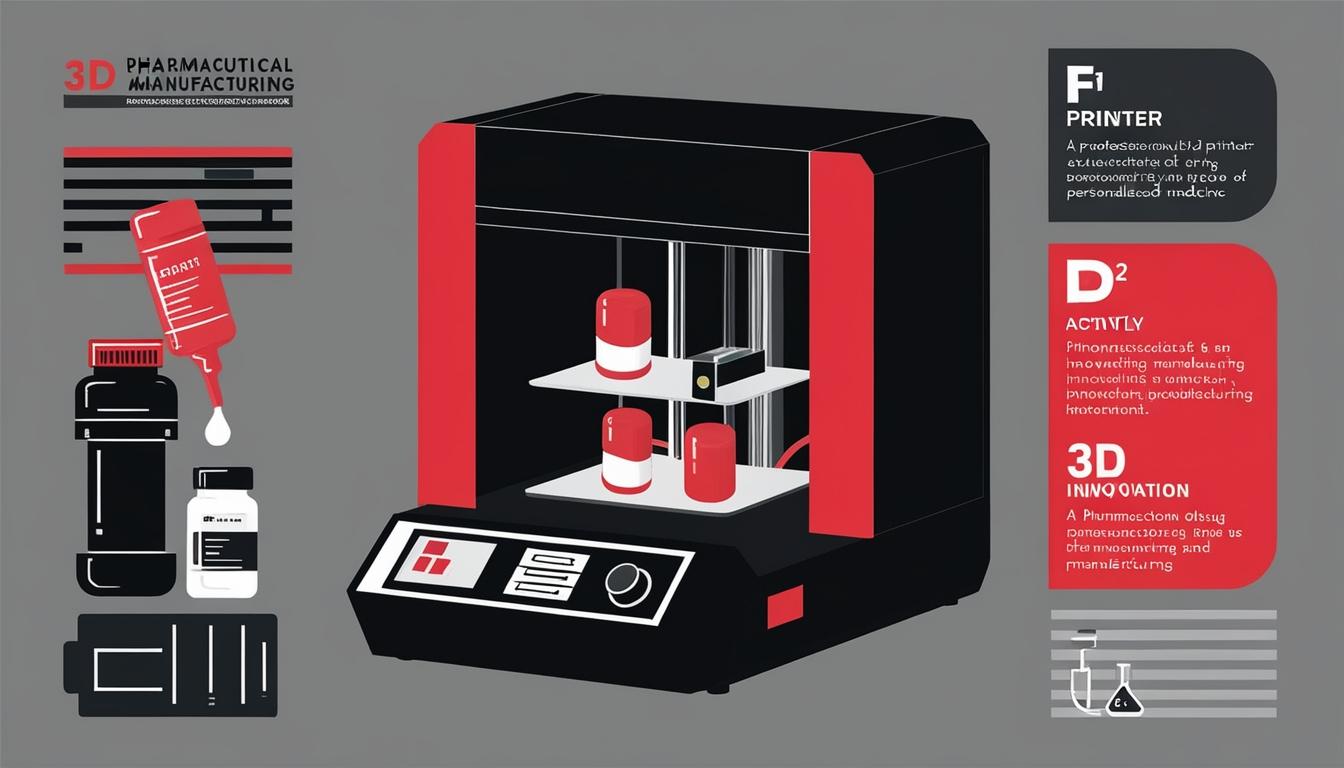
One significant paper addresses the "Legal and Regulatory Perspectives on 3D Printing: Drug Compounding Applications." This article delves into the nuances of the legal and regulatory landscape governing 3D drug printing, particularly in the context of personalised medicine. It highlights the importance of regulatory compliance, intellectual property rights, and the business implications of adopting such innovative technological practices.
Another article, titled "The Quest for Quality: Challenges and Strategies in Raw Material Selection for Biopharmaceuticals," tackles the pressing issue of ensuring the integrity of raw materials used in biopharmaceutical production. It notes that challenges arise largely due to a lack of concrete guidelines in the industry. The authors advocate for effective risk assessment strategies along with partnerships with reputable suppliers to mitigate these quality concerns.
In a related vein, "Data Governance, Data Integrity, and Data Quality: What’s the Connection?" offers insights into the structured relationship among these critical concepts. This paper aims to clarify the definitions of these terms and elucidates their significance in the analysis and testing phases within pharmaceutical quality systems.
Training within pharmaceutical companies also receives attention, particularly through the article "Application of Validation Principles to the Training Quality System: Part 9, Quality Risk Management Hazard Identification." This piece suggests that incorporating International Council for Harmonisation (ICH) quality risk management principles can enhance pharmaceutical training programs, ensuring that personnel are well-equipped to manage quality risks.
A key trend emerging from the sector is highlighted in "Accelerating Discovery and Development with Advances in High-Throughput Screening." The authors discuss how automation, miniaturisation, and advanced software algorithms are augmenting the throughput and accuracy of drug discovery processes.
The concept of Pharma 4.0, first introduced by the International Society for Pharmaceutical Engineers in 2017, is explored in "Validating Pharma 4.0 for Smart Manufacturing." This article outlines how adopting digital technologies in the manufacturing ecosystem can revolutionise drug discovery and supply chain logistics, ultimately enhancing patient care by ensuring that medications are delivered precisely as needed.
Additionally, articles like "Understanding the Value of Excipient Grade" emphasise the need for improved collaboration across the industry to ensure that the appropriate grades of excipients are employed in drug formulations. Another notable contribution, "Determining Low PPB Levels of Nitrite in Polymeric Excipients," presents a novel method for detecting low levels of nitrite in excipients through a simplified chromatography technique.
In the realm of therapeutics, "Increasing mRNA Product Stability with Lyophilization" discusses the vital role of freeze-drying processes in enhancing the stability of mRNA-based products, underscoring the complex interplay between product characteristics and processing techniques.
Lastly, the article "Biologics on Target for the Future" provides an overview of how advancements in molecular and cellular biology are revolutionising the development and efficacy of biologics, paving the way for future treatments.
The diverse landscape of articles published by Pharmaceutical Technology® in 2024 reflects a dynamic and evolving industry that continues to adapt to emerging technological trends and regulatory environments.
Source: Noah Wire Services