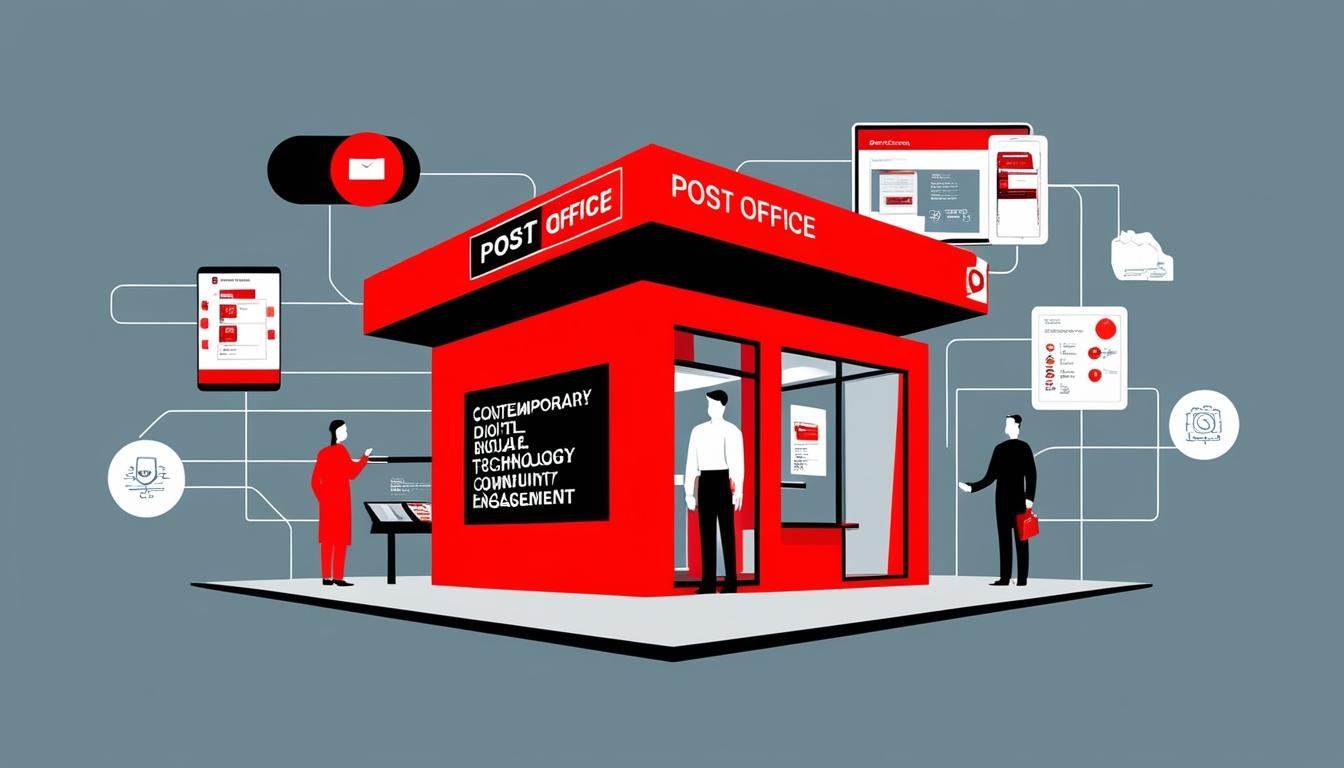
The South African Post Office (SAPO) is currently at a significant juncture, grappling with the challenges of modernisation and sustainability in an evolving landscape. During recent discussions, Minister of Communications and Technologies Mr. Solly Malatsi highlighted that the future of SAPO relies heavily on not only legislative reforms but also on a fundamental rethinking of its operational models in response to technological advancements and shifting market demands.
Traditionally, the South African Post Office has served as a cornerstone institution, providing essential services to millions, particularly those in rural and underserved areas. However, the rise of digital communication methods and private courier services has drastically influenced the postal service landscape. Minister Malatsi noted that the SAPO’s previous dependency on letter and parcel delivery is increasingly inadequate. "The organisation must adapt to remain relevant," he said, underscoring the need for a strategic overhaul.
A new legislative framework is being introduced to reshape the Post Office’s infrastructure, directing its focus towards income-generating initiatives. This shift signals not just a survival tactic but a necessary evolution to thrive amid stiffened competition. The Minister also pointed out that there is an urgent need for SAPO to transform into a hub of innovation and technology, which will facilitate citizens' access to online government services, aligning with the government's wider digitalisation agenda.
However, the transition is complicated by historical challenges. The Post Office has endured a significant erosion of trust stemming from past management failures and operational inefficiencies. To emerge as a credible partner for government services, SAPO must work to restore confidence among its users and stakeholders. Malatsi indicated that "a bill alone cannot rectify these deep-rooted issues; a cultural shift within the organisation is imperative."
Financial sustainability remains a critical concern for the Post Office. Minister Malatsi reiterated that an overreliance on government bailouts is not a sustainable long-term approach. SAPO must explore innovative partnerships with private sector entities to optimise its existing infrastructure and attract new business opportunities. This could potentially reduce reliance on state funding and encourage a self-sufficient operational model that can adapt to fluctuating economic conditions.
For SAPO’s transformation to be successful, several factors will play a pivotal role. It is crucial for the organisation to prioritise user needs, ensuring that the new services they develop are accessible and beneficial to all, particularly the most vulnerable populations. Embracing technology must not be viewed solely as a means of improving efficiency but rather as an avenue for enhancing customer experiences and engagement. Furthermore, a commitment to transparency and accountability will be vital in rebuilding trust and helping the organisation achieve its ambitious objectives.
In summary, the South African Post Office is navigating a critical phase in its existence. By capitalising on technology and innovation while addressing its operational shortcomings, SAPO has the potential to redefine its societal role. This endeavour will necessitate a collaborative effort from all stakeholders to ensure that the Post Office delivers valuable services to all South Africans, solidifying its positioning in the digital era. Ultimately, SAPO's ability to adapt, innovate, and transform into a self-sustaining entity will determine its future in a rapidly evolving market.
Source: Noah Wire Services