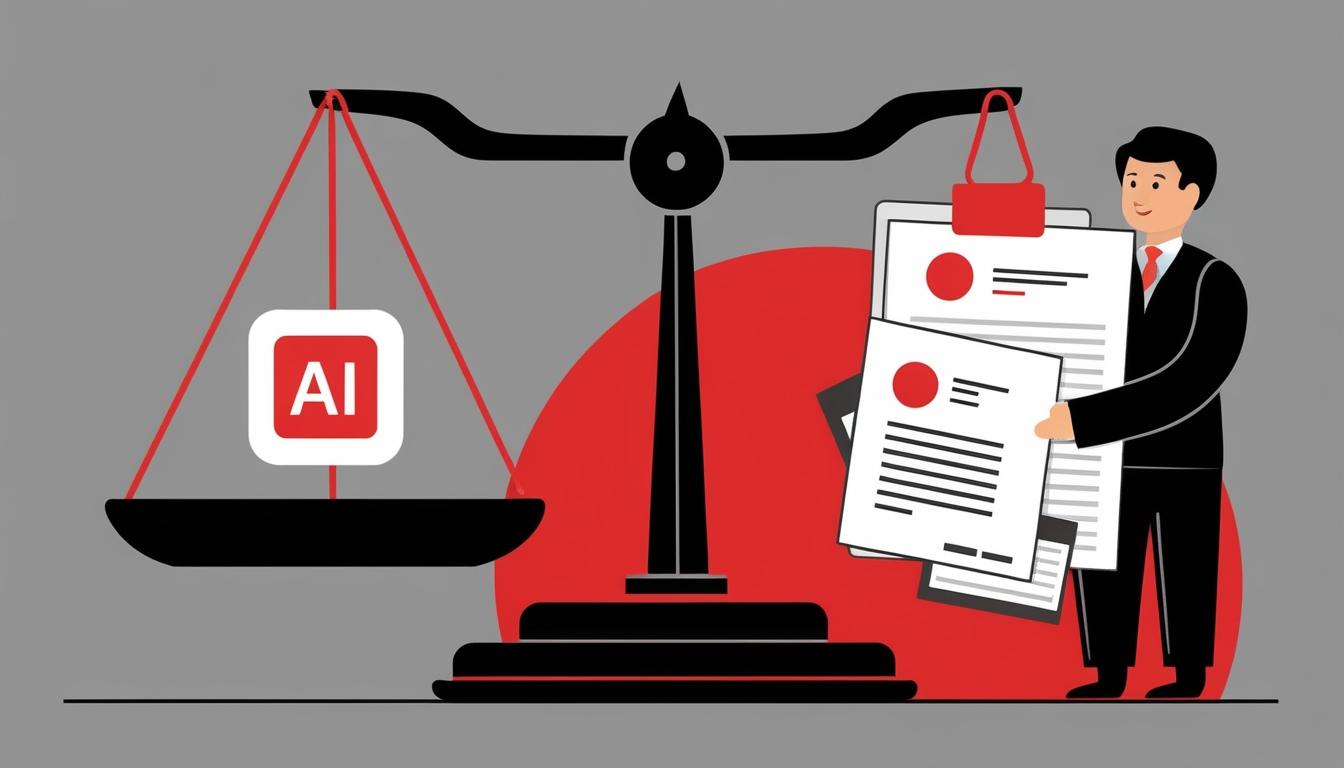
Artificial Intelligence (AI) has made notable strides in transforming various industries, with the translation sector being one of the key areas witnessing significant changes. According to TechBullion, the advent of neural machine translation systems, exemplified by tools like Google Translate, coupled with professional AI-powered solutions, has led to improvements in speed and accessibility for translating content. However, while these AI innovations offer considerable advantages, the necessity for human translators, especially in the realm of legal translation, remains undeniable.
The complexity of legal translation extends far beyond a simple word-for-word rendering. Successful legal translation encompasses the interpretation of intricate terminologies, jurisdiction-specific language, and cultural subtleties. Each legal system is inherently different across nations, and errors in translation can lead to severe repercussions, including contractual disputes and non-compliance with existing regulations.
For example, a legal translator operating in London tasked with an international contract must navigate the specifics of both UK law and the legal framework of the counterpart's jurisdiction. This unique responsibility necessitates a comprehensive understanding of legal concepts and terminology, paired with linguistic proficiency—capabilities that current AI tools have not yet mastered.
A significant challenge is the context surrounding the translation of legal documents. The language employed in these documents often allows for interpretation, thus making it vital for translators to grasp the intent underlying the text. While AI algorithms excel in detecting patterns, they lack the capacity to interpret the nuanced meanings embedded within legal language. A good illustration of this is the term “consideration” in legal documents, where its definition diverges from its general usage. Skilled human translators discern and apply the term correctly based on context, ensuring precision.
AI exhibits strengths that enhance the translation process, particularly in speed and efficiency. AI systems can swiftly process large volumes of text, rendering them invaluable for preliminary translations or repetitive tasks, such as converting standardised clauses. Additionally, AI’s ability to draw from pre-existing glossaries and translation memories enhances terminological consistency across extensive documents. These attributes make AI a cost-effective option for simpler, non-critical translations.
Conversely, the limitations of AI in legal translation are stark. AI lacks the cultural sensitivity required for effective communication and cannot manage ambiguities present in legal documents, frequently leading to mistranslations. Furthermore, the absence of accountability in AI systems raises issues when errors occur since they cannot be held responsible like human translators.
The indispensable nature of human expertise in translation stems from the rigorous quality assurance that skilled translators provide. They possess the acumen needed to identify discrepancies, validate terminologies, and tailor translations to the target audience's needs. For instance, when working on a merger agreement, a human translator ensures that the translated document aligns with the legal standards of the involved jurisdictions, thereby maintaining the integrity of the overall document.
Legal translations often encompass sensitive information, thus demanding adherence to stringent confidentiality and ethical standards. Human translators uphold these principles and offer professional accountability, while AI systems may be vulnerable to data breaches and lack the moral frameworks that govern human translators.
In industries shaped by continually evolving laws and regulations, human translators maintain a competitive edge due to their capability to adapt. They navigate new terminologies, adjust to regulatory updates, and offer insights that AI systems currently cannot provide. This adaptability proves particularly crucial in dynamic legal environments such as London, where international business converges with domestic law.
Many professionals within the legal translation domain view AI not as a replacement, but as a supplementary tool. AI can effectively manage repetitive tasks and draft initial translations, enabling human translators to concentrate on refining the text and ensuring legal and linguistic accuracy. This hybrid approach harnesses the efficiency of AI while preserving the deep understanding that human experts possess, ultimately delivering superior outcomes.
For instance, a legal translator in London might utilise AI to create a draft of an extensive contract, subsequently refining the text based on their expertise to ensure compliance with required legal specifications. This collaborative method not only conserves time but also upholds the rigorous standards expected in legal translation.
In conclusion, despite the significant advances AI has introduced to translation, particularly in legal contexts, the expertise of human translators remains a cornerstone of accuracy and reliability. The intricate nature of legal language, the vital role of context, and the ethical implications surrounding translation affirm the necessity of skilled professionals. Consequently, for those requiring precise and trustworthy legal translations, engaging a qualified legal translator in London presents the optimal choice, merging the strengths of AI with the invaluable capabilities of human translators.
Source: Noah Wire Services