The evolution of credit cards began in the 1950s with the introduction of the Diners Club Card, designed by Frank McNamara. He aimed to simplify payments for dining by creating a small, convenient cardboard card to charge meals and pay off the balance monthly. Over the decades, that simple concept has morphed into the sophisticated cards used today, with more than 190 million adults in the United States now holding a credit card, as reported by the Consumer Financial Protection Bureau’s 2023 report.
As the landscape of credit card use has changed, so too have the concerns around security. Initially, physical fraud was minimal, but as card ownership skyrocketed, safety features expanded from basic signatures to the advent of EMV chips aimed at reducing counterfeit fraud—a technology that reportedly diminished such fraud by 76%. The industry is now witnessing a noteworthy shift towards biometric technology that uses the unique biological characteristics of cardholders as a sophisticated layer of authentication.
The potential of biometric cards has emerged amid prevalent growth in digital payments and security challenges posed by advanced fraud tactics. Speaking to CNET, Mark Nelsen, Global Head of Consumer Payments at Visa, explained that the integration of biometrics offers a way to decrease reliance on less secure methods of authentication like signatures or PINs. He clarified that data captured through biometric scanning, such as fingerprints or facial recognition, remains securely stored on the card itself rather than in the cloud. This creates a robust security framework while maintaining user privacy.
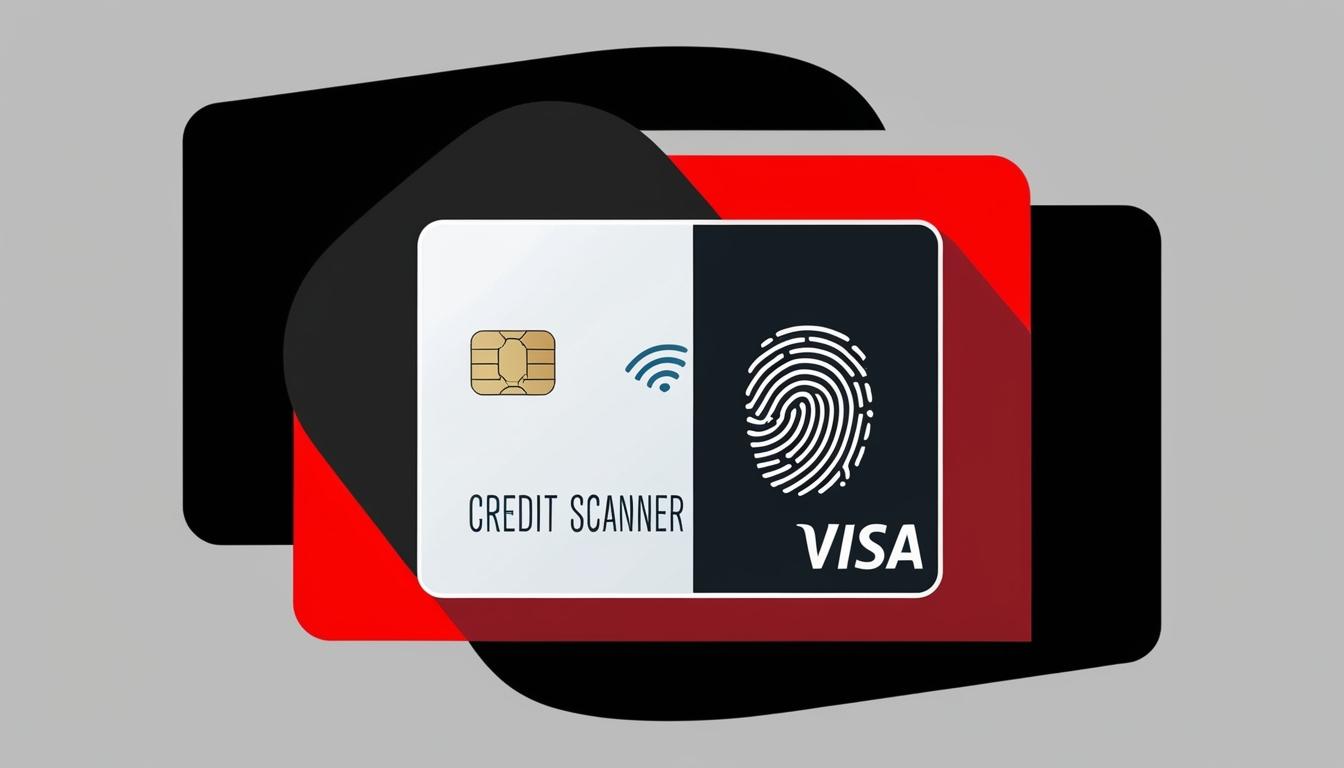
These biometric credit cards employ a fingerprint scanner embedded within the card, allowing users to authorise transactions by using their fingerprint directly on the card. This innovation comes as part of an incremental evolution in credit card technology, building upon features like contactless payments, which gained popularity in the US around 2015. With statistics from Mastercard highlighting that nearly 79% of consumers now utilise contactless payment methods, the shift to biometric technology seems a logical next step.
However, despite the promise of biometric cards, there are logistics and cost considerations that slow their widespread adoption. The expense associated with manufacturing these advanced cards poses a barrier to the average consumer, as noted by Nelsen, who remarked on the high costs involved in producing such technology compared to traditional cards. Though biometric technologies have gained traction, the physical fraud that motivated their development has seen a marked decline since the introduction of chip cards, leading to discussions about whether the immediate need for such innovation is as pressing today.
As industry leaders explore the future, experts like Adam Levin, a security commentator and co-host of the "What the Hack with Adam Levin" podcast, express enthusiasm for these developments. Levin stated, "From my perspective, one can never have enough arrows in our security quiver."
While biometric cards are currently available through specific channels, their uptake may vary by region. Visa is known to have developed biometric cards upon request from banks, with Mastercard exploring similar technology. Regulations in countries such as Canada and the UK may foster an environment for these cards to see wider implementation, particularly given existing limits on contactless payments that could be exceeded through biometric authentication.
The predominant view among experts indicates that while biometric cards might not become commonplace in the US market by 2025, there is potential for more robust utilisation in international markets that have different regulatory frameworks. As transaction preferences shift towards digital platforms, discussions around the future of physical credit cards—whether they be traditional, biometric, or perhaps even further evolved—remain ongoing. Nelsen was clear in stating, "I think in general, as more payments become digital, there isn't a physical plastic piece of card to use. And so just the trend would be continued to see more digital use cases and digital wallets."
Thus, while the immediate marketplace may not reflect a seismic shift towards biometric cards, the convergence of technology, security needs, and consumer behaviour continues to shape the future of payments.
Source: Noah Wire Services