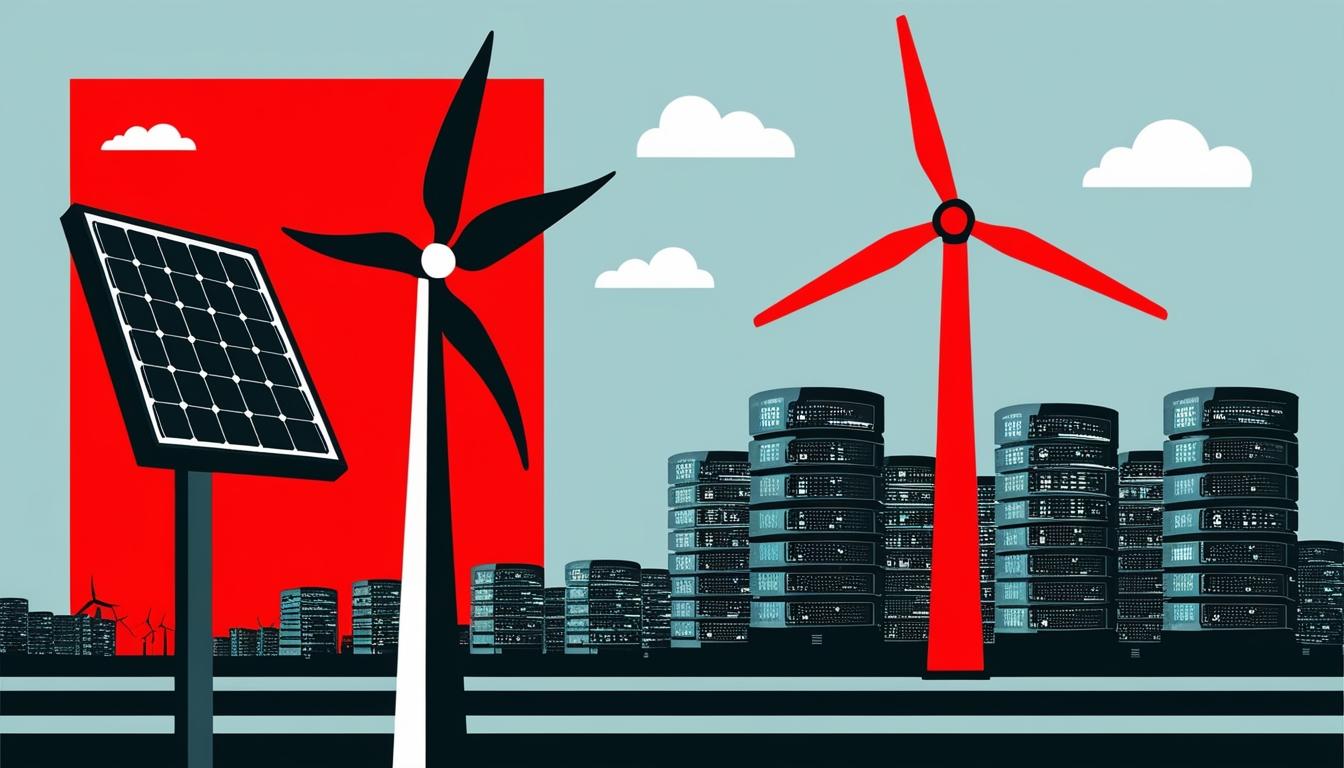
The dynamics of electricity consumption and generation are undergoing significant changes in the 21st century, fundamentally influenced by rising global demand, the imperative for decarbonization, and rapid technological innovations. Emerging economies, particularly India and China, are at the forefront of this transformation, experiencing substantial industrial expansion and improving access to electricity. In contrast, regions such as sub-Saharan Africa continue to grapple with severe energy access challenges, highlighting a stark disparity in energy equity.
The growing digital economy, characterised by the proliferation of data centres, artificial intelligence (AI), and cryptocurrency mining, is becoming a formidable force in the electricity sector. As the world becomes increasingly reliant on digital technologies, these sectors have emerged as significant consumers of electricity, prompting a reevaluation of consumption patterns.
The renewable energy landscape is experiencing rapid growth, primarily spearheaded by solar and wind energy sources. However, the coal industry still poses challenges in various regions, complicating the global transition to cleaner energy solutions. Geopolitical issues also play a critical role, as China's dominance in renewable technologies, alongside the revival of nuclear energy in some countries, shapes the direction of global energy transitions.
Advanced technologies, especially in the realms of battery storage and AI-driven grid management, show great promise in enhancing grid efficiency. These innovations are expected to play a crucial role in addressing supply-demand mismatches and supporting a sustainable future for electricity.
The current landscape of electricity generation and consumption underscores the complexities involved in meeting rising demands while striving for sustainability. Insights from organisations like the International Energy Agency (IEA) suggest that the evolution of the global electricity sector is not just a local phenomenon but one that requires coordinated efforts at international and regional levels to navigate the challenges of energy inequality, technological disruption, and resource management.
As developments continue to unfold, stakeholders across the industry are tasked with finding balanced solutions to meet both the pressing demand for energy and the necessity of maintaining environmental stewardship. The integration of emerging technologies into the electricity sector is poised to redefine how energy is produced, consumed, and regulated, marking a pivotal moment in the ongoing evolution of global energy practices. The intricate interplay between various economic, technological, and geopolitical factors will likely shape the trajectory of the electricity sector for years to come.
Source: Noah Wire Services