Recent discussions surrounding artificial intelligence (AI) and its potential applications in business have highlighted the dual nature of AI's capabilities. While AI has demonstrated efficiency in answering queries based on its training data, it is currently limited in its ability to enact actions autonomously. For example, a request for booking a flight to Paris with an economy plus seat would yield a list of necessary steps from AI, yet it cannot execute those steps without human intervention.
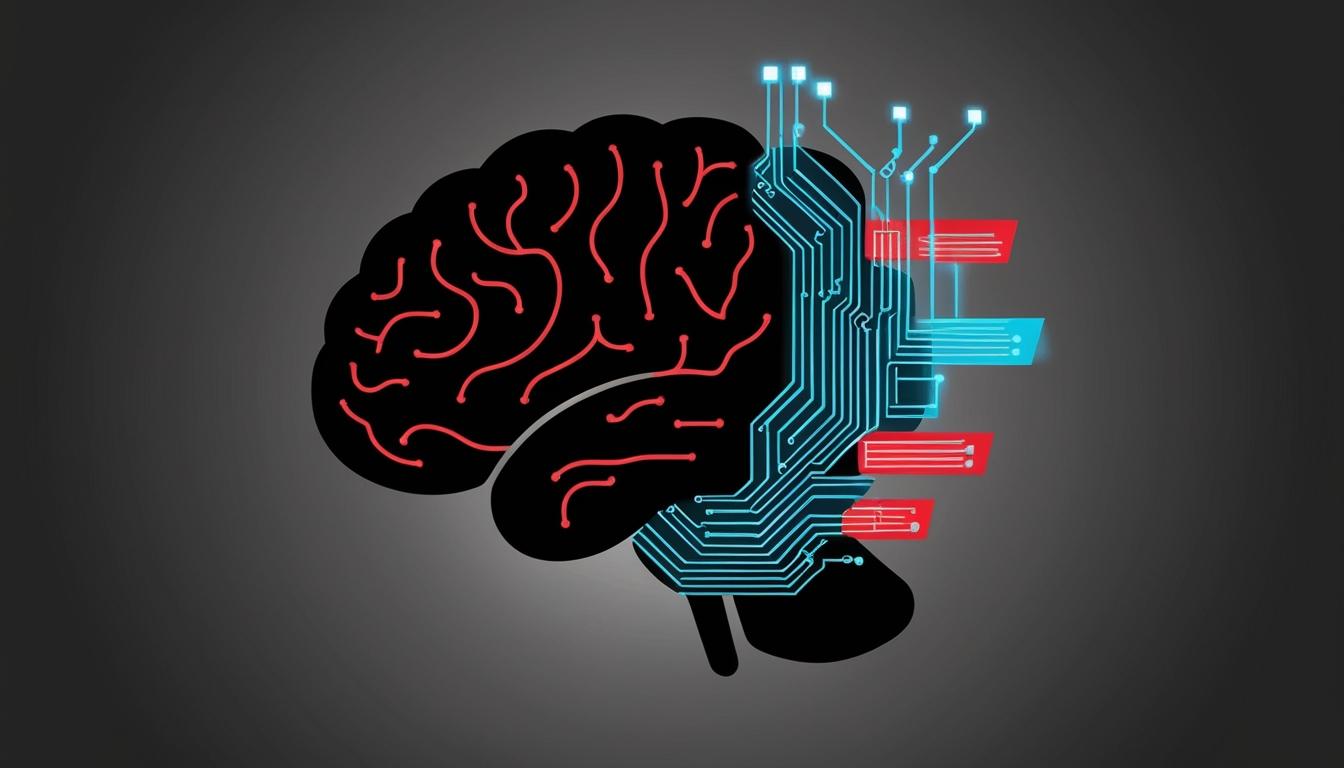
Cognitive computing is emerging as a critical complement to traditional AI. This approach aims to replicate human-like behaviour and decision-making abilities, evolving significantly since its inception in the 2010s. Cognitive computing platforms integrate various technologies, including AI, machine learning (ML), speech recognition, object recognition, and natural language processing.
Pankaj Chawla, the chief innovation officer at 3Pillar, articulated the integration of language understanding capabilities with traditional programming: "You can start to stitch the natural language understanding that these [AI] models bring to the table with the traditional programming that we are able to carry out workflows and actions based on those steps." This integration is expected to lead to systems displaying increasingly human-like capabilities, thus extending the range of functions that AI can perform effectively.
Organisations like Netflix and YouTube have long leveraged AI through their recommendation systems, while Gmail utilises AI to filter spam. According to Chawla, these use cases represent conventional AI methods reliant on data to identify patterns, in contrast to the newer generative AI technologies. He recalls an experience where AI was employed to manage undesirable online content that previously required extensive human oversight: “I worked at a company where they were employing humans to weed through bad posts and illegal posts and child pornography... Moving forward, I see the level of automation and generative nature just expanding and getting better and coming close to more of an artificial general intelligence type capabilities.”
Chawla elaborated on the evolution of technology, noting the shift from simple desktop applications to advanced systems that operate continuously. The concept of composable applications allows for the connectivity of various business functions—such as billing, mapping, and feedback systems—leading to novel business models reminiscent of platforms like Uber that did not exist prior.
In addressing concerns about job displacement due to AI advancements, Chawla explained that while these technologies are set to enhance efficiency, they are not intended to replace human workers. "All it does is it gives humans the ability to do a lot more a lot faster, at a higher order of magnitude," he stated. He emphasised the importance of blending AI services with data engineering capacities to create next-generation software systems. Cognitive computing, as he remarked, represents the vast possibilities that lie ahead in this rapidly evolving landscape.
Source: Noah Wire Services