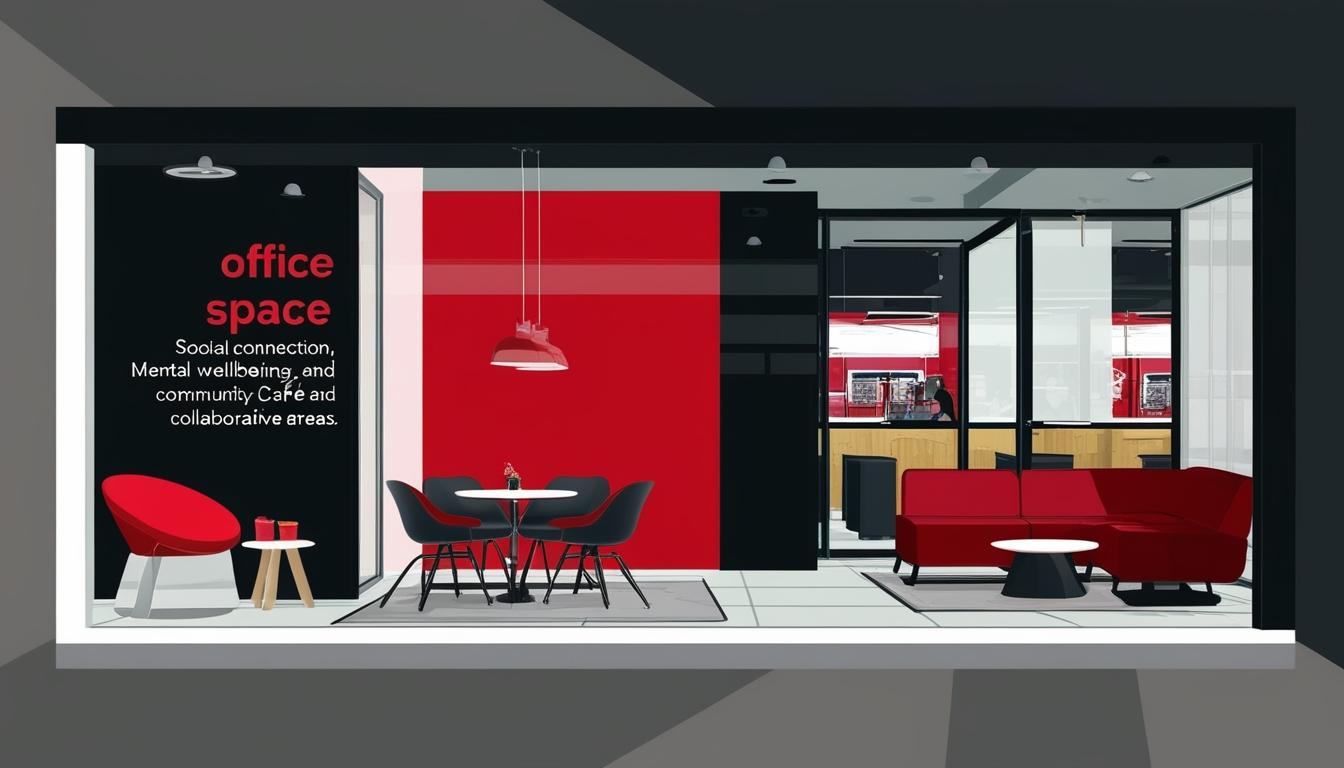
The workplace landscape is undergoing significant transformation as businesses respond to the evolving needs of their employees and the broader societal shifts occurring since the global disruption of recent years. A notable trend highlighted by Work Design Magazine is the resurgence of the office as more than just a space for productivity. Rather, it is being redefined as a place that fosters social interaction, mental wellbeing, and employee satisfaction.
Anna Alm-Grayhek, Hendy’s Director of Workplace Strategy, identifies four key driving factors behind this revitalisation, emphasizing the role of Generation Z in leading the charge. This demographic is increasingly prioritising work environments that cater to their lifestyle choices and preferences, pushing organisations to rethink how their office spaces are structured.
Kay Sargent from HOK asserts the importance of workplace design in enhancing sensory stimulation, suggesting that “The spaces we occupy have an impact on our mental, emotional and physical health – and in many cases it’s not positive.” With these considerations in mind, there is a growing call within the industry to focus on creating office environments that not only support productivity but also promote overall wellbeing.
The legal sector, too, finds itself at a crossroads as popular culture influences perceptions of workplace design. Following a revival of interest due to shows like "Suits," Gensler’s Dana Nalbantian conducted interviews with young associates at a top law firm to gauge their desires for their work environments. This inquiry seeks to reveal how physical space can significantly affect employee experience in a traditionally conservative field.
Furthermore, the conventional office model, long seen as a facilitator of peak productivity, is increasingly being viewed as a compromise model. Christian Lehmkuhl of Gensler encourages a tailored approach to office design, recognising that varied work modalities require spaces that adapt to diverse individual needs.
As the demands of modern businesses evolve, so too does the landscape of office leasing and development. Michael Stueve from Ankrom Moisan discusses design interventions crucial for older buildings to maintain relevance amid emerging trends. This reinvention is essential as businesses aim to blend functionality with aesthetic appeal while catering to the modern workforce's requirements.
Prominent architects like Todd Heiser and Eric Gannon are leading the charge in reshaping workplace design to include enticing amenities that invite employee engagement and collaboration. Meanwhile, Nicole Zack of Ted Moudis Associates highlights the transition of break rooms into experiential café spaces that foster community, stressing the importance of these areas as social hubs within the office.
Despite the revitalisation of the workplace environment, Gensler’s Lauren Vogel points out the prevalence of social disconnection among employees, citing a Gallup report that reveals one in five workers feels lonely. This statistic raises awareness of the critical need for offices to be reimagined as havens for connection and engagement, particularly as firms reassess their spaces during lease renewals to enhance cultural connections.
In the shifting business milieu, Unispace’s Albert DePlazaola outlines five essential elements for cultivating a successful hybrid workplace, reflecting the current trends towards flexible work arrangements.
As companies navigate the intricacies of modern work environments, the emergence of the experience economy further influences workplace design. David Waingarten of Downstream discusses key takeaways from the event experience that can be beneficially applied to the built environment, highlighting how current societal trends impact design decisions.
With these various factors contributing to the evolving workplace landscape, industry experts continue to predict significant changes as we approach 2025. This ongoing dialogue about workplace design not only reflects immediate needs but also anticipates future developments that will shape how businesses operate in the years to come.
Source: Noah Wire Services