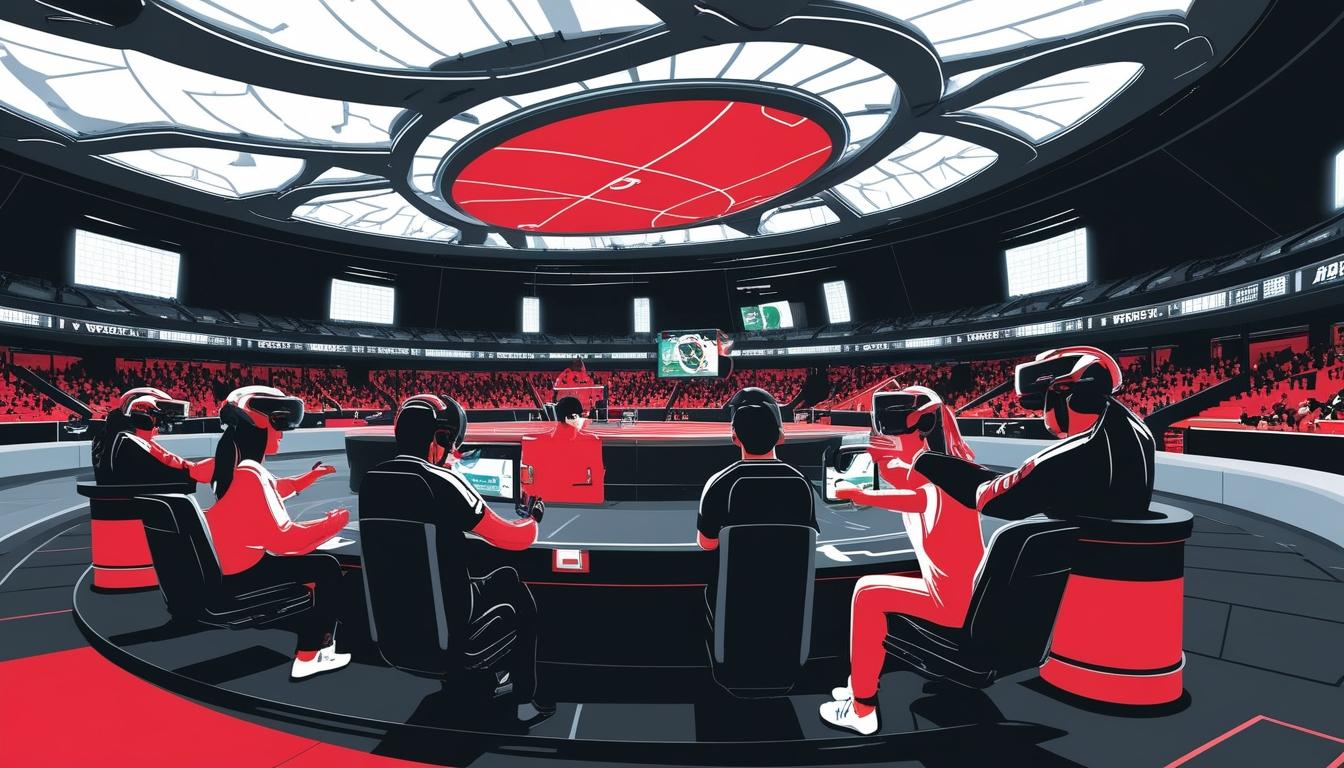
As the world moves further into the 21st century, sports are set to undergo significant transformations driven primarily by technology and financial incentives. A recent exploration by TribLIVE into the projected future of sports through the lens of past developments suggests that while the nature of sporting events may remain largely unchanged, the overarching business model and fan experience will evolve considerably.
Experts such as Austin Karp, editor and reporter for the Sports Business Journal, assert that “the future is so hard to project,” yet agree on one point: the way fans consume sports will dramatically differ. The integration of advanced technology such as virtual reality and enhanced connectivity will redefine how audiences engage, particularly as younger fans seek seamless access to real-time information and robust social media experiences. Dr. Patrick Rishe, director of the sports business programme at Washington University in St. Louis, emphasises the growing demand for venues to enhance connectivity, noting, “Most venues have upgraded their connectivity to keep pace.”
The landscape of sports entertainment is predicted to shift towards new venues that provide immersive, social atmospheres. Innovations such as COSM, which operates state-of-the-art viewing facilities that blend the experience of a planetarium and IMAX theatre, exemplify this trend. CEO of Attention Span Media, Josh McHugh, describes the experience at COSM as “the best sports event I’ve ever been to,” emphasising its social and immersive qualities that may entice fans to opt for these venues over traditional stadiums.
Financial dynamics within college athletics are also set to transform. With the implementation of Name, Image, and Likeness (NIL) agreements, players are starting to reap financial rewards previously inaccessible to them, shifting the balance of power from coaches and administrators to the athletes themselves. Karp notes that while this shift benefits sports like football and basketball, it could be detrimental to non-revenue-generating athletic programs. He warns, “If football takes all the money out of the system, you’re going to see Title IX implications, you’re going to see lawsuits.”
The expansion of professional leagues into international markets is another critical theme highlighted in this discourse. The NFL has begun executing several games outside the U.S., with a vision to increase international game offerings significantly. Commissioner Roger Goodell expressed confidence in the NFL's global potential, stating, “We feel like this game is destined to be global.” However, logistical challenges remain a major hurdle for permanent team relocations outside North America.
Environmental considerations will play a pivotal role in the construction of new stadiums and venues, with climate adaptability becoming paramount. Experts predict an increase in domed structures and venues with adjustable roofing systems to cope with extreme weather conditions. McHugh commented on the necessity for such innovations, stressing that “you cannot have sporting events in 120 degrees.”
The evolution of women’s sports is also poised for substantial growth, with financial advisory firm Deloitte forecasting global revenue in this sector to surpass $1 billion for the first time in 2024. The increasing visibility and valuation of leagues like the WNBA underscore the expanding market potential for women’s athletics, as noted by Dr. Rishe's assertion that “the toothpaste is not going back into that tube.”
The future of sports remains complex, particularly for those like Major League Baseball (MLB), which faces challenges such as the absence of a salary cap and fluctuating fan interest. Karp opined that baseball could be one of the sports in decline over the next two decades, adding that “if you don’t have one in baseball in 25 years, it’s probably doomed.”
In conclusion, as the sporting landscape continues to evolve, it is clear that technological advancements, financial developments, and shifting consumer behaviours will collectively shape the events and experiences of the future. This transformation offers a glimpse into how sports might be consumed, played, and developed over the next quarter-century, inviting diverse expectations for a rapidly changing environment.
Source: Noah Wire Services