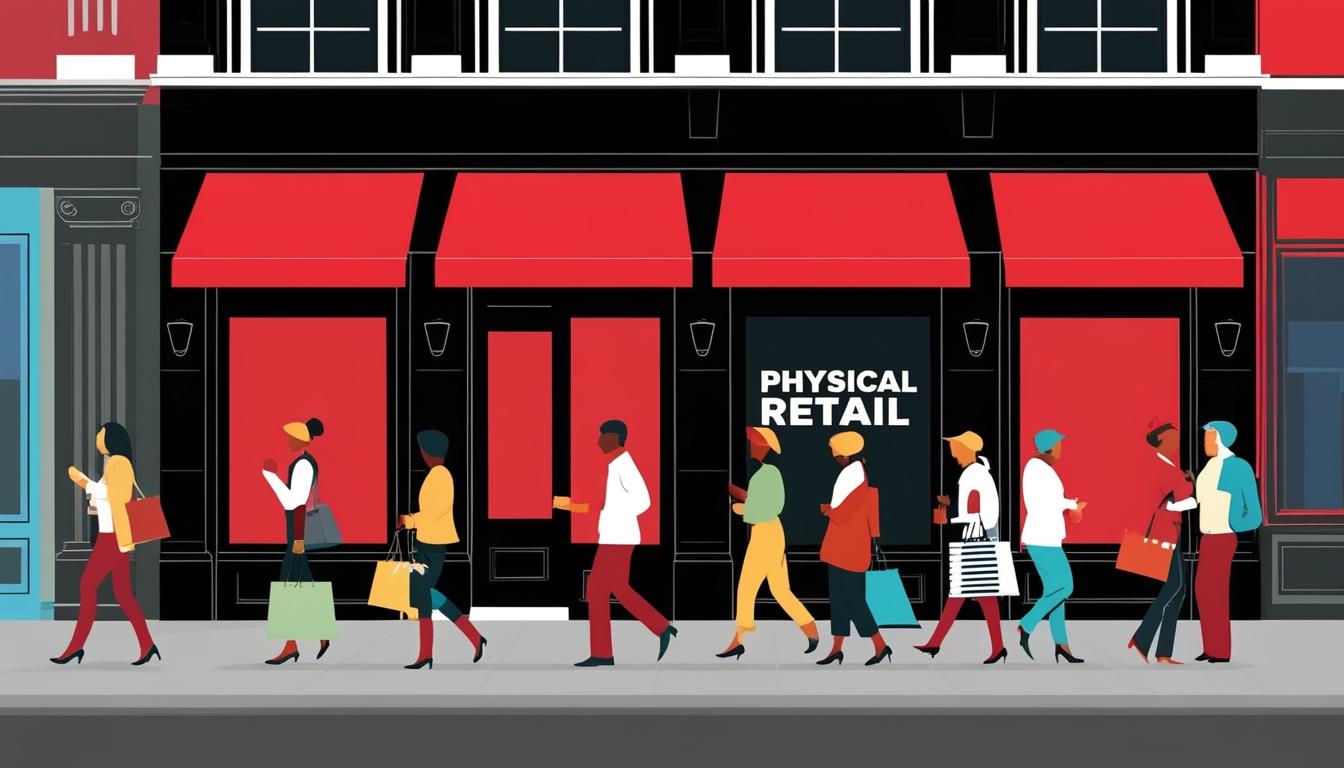
A comprehensive analysis on the current landscape and anticipated trends in the retail sector reveals a significant shift towards brick-and-mortar experiences as customers grow weary of online shopping. Industry experts predict that 2025 will mark a pivotal year, characterised by a resurgence in footfall at physical stores, particularly in prime shopping locations across the UK, where demand is expected to outstrip availability.
Emma Williams, a partner at Cushman & Wakefield, outlined this trend, stating, “We expect footfall growth in 2025. Prime shopping destinations are in their best shape for over a decade and customers are experiencing online fatigue, particularly with regards to fashion shopping.” With consumers expressing a desire to shop in person, experts foresee a rise in competitive bidding for retail spaces, leading to potentially increased rents. This transformation suggests that retailers who neglect investment in their physical spaces may struggle to retain a presence in competitive markets.
Retailers with established operations, such as Marks & Spencer and Next, are likely to continue benefiting from prior investments as they adapt to the changing landscape following various economic pressures outlined in upcoming Budget considerations. Furthermore, international brands, particularly from Asia, are forecasted to increase their presence, with fast-fashion brands like Mango and Uniqlo actively seeking expansion opportunities in the UK market.
Simon Morris, managing partner at GCW, highlighted the influence of disruptive competitors, noting the rise of direct-from-factory players like Temu and Shein in the value and fast fashion sectors. He anticipates a consolidation of retail branches into "hero" stores, which will serve as flagship locations for well-known brands, enhancing customer engagement through innovative retail experiences. “Connection with customers is key to building enduring loyalty,” he remarked. This focus on bespoke customer interactions represents a strategic response to the challenges of the current economic climate.
Mark Serrell, a partner at Kenningham Retail, elaborated on the evolution of prime retail spaces, suggesting that the year 2025 could signify a new normal with a substantial recovery observed in the West End. The availability of retail units continues to dwindle, and prime locations are expected to attract multiple offers, underlining the robust demand for high-profile retail spaces.
In a shift towards optimising customer experience, Scott Linard of M&G Real Estate noted a growing trend of online brands transitioning into physical retail. As evidenced by recent openings in locations like Manchester Arndale, brands such as Represent and Trailberg have begun to establish physical stores. Concurrently, traditional retailers have begun investing in state-of-the-art shop designs to cater to modern shopping expectations.
Looking ahead, Tom Woolven from Schroders Capital indicated that retail warehouses are set to maintain their appeal as attractive investment opportunities, with a distinct divide likely to form between high-performing shopping centres and those that fail to offer a comprehensive shopping experience. He emphasised the necessity for retail investors to cultivate a diverse mix of occupiers that enhance the customer experience, integrating retail with leisure and food and beverage options.
This multifaceted landscape points towards a promising future for those retail businesses willing to adapt and innovate in the face of changing consumer preferences and economic challenges. The forecast for 2025 underscores the importance of investing in physical retail environments while also harnessing the potential of existing online platforms to cultivate stronger connections with consumers.
Source: Noah Wire Services