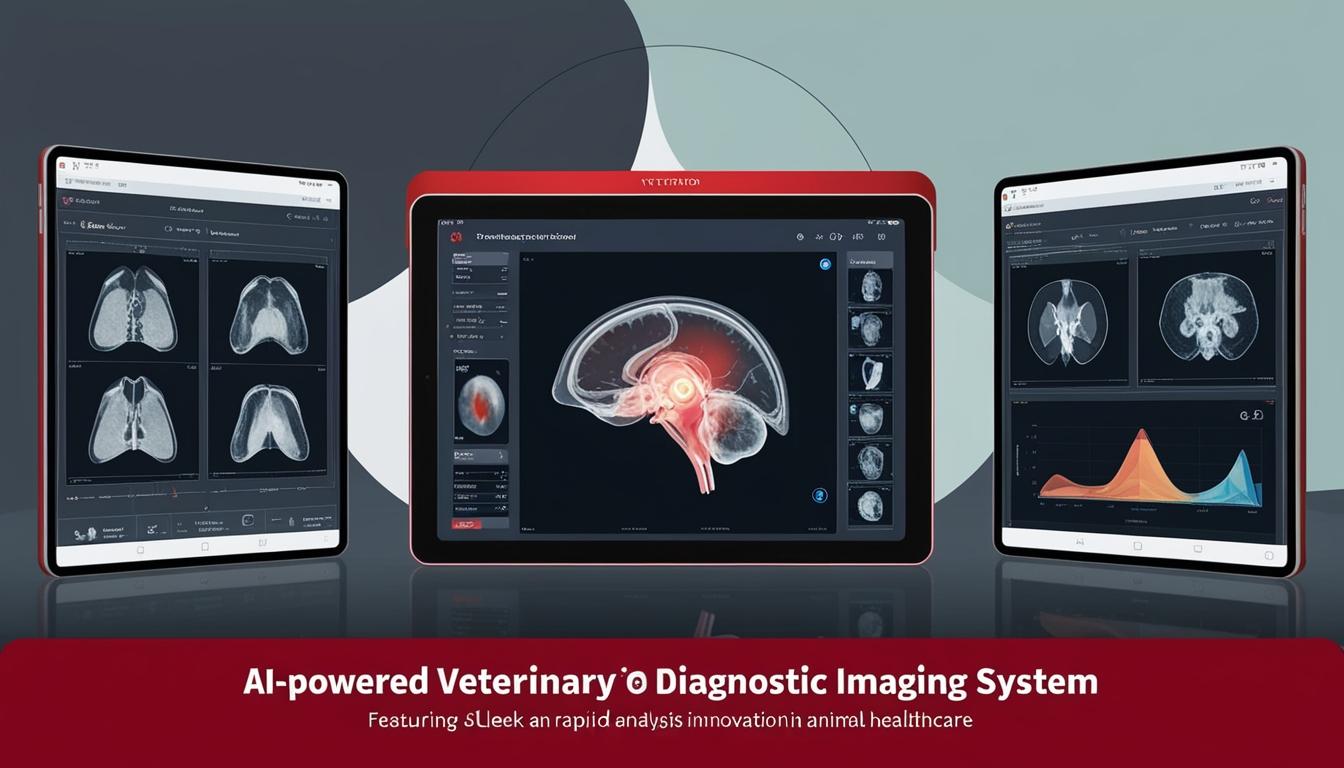
The integration of artificial intelligence (AI) in veterinary medicine is rapidly transforming traditional practices, particularly in the realm of diagnostic imaging. As highlighted by Diane Wilson, DVM, DACVR, in a recent article for Veterinary Practice News, AI is increasingly becoming an essential tool in various workflows, including triage as well as imaging and pathology tasks such as counting mitotic figures.
At the fundamental level, AI's role in diagnostic imaging is centred around enhancing the efficiency of radiologists. AI systems can improve the orientation of images for better viewing and assist in "assisted reading," where radiologists receive insights about what the AI has identified in the images while retaining the authority to make edits to those findings. Additionally, these systems can draft initial reports, thus freeing up radiologists to focus on more complex interpretations and decision-making.
To achieve successful implementation of AI in veterinary diagnostic imaging, Wilson identifies four critical elements: domain expertise, data science knowledge, a substantial volume of training data, and end-user education. The gold standard in diagnostic imaging remains the interpretation by board-certified radiologists. Therefore, any AI systems must be evaluated against these benchmarks to ensure they support practitioners effectively. With machine learning still in its developmental phases, professionals must clearly understand the capabilities and limitations of AI tools.
Antech Imaging Services (AIS) has developed the AIS RapidRead™—an AI-powered interpretation system that aims to enhance the accuracy in evaluating various radiographic findings. Trained on a comprehensive database of over 16 million radiographs from diverse canine and feline breeds, AIS RapidRead demonstrates a remarkable accuracy of at least 95% when comparing its findings to those of board-certified radiologists. This technology offers swift screening for the most common radiographic issues and provides results in under ten minutes, which is particularly beneficial in urgent or emergency situations.
Crucially, AIS RapidRead operates under stringent quality control protocols, ensuring that board-certified radiologist evaluations maintain their status as the current gold standard for image interpretation. Notably, any potentially life-altering conditions, such as gastric dilatation volvulus (GDV) and gastrointestinal obstruction, are flagged for immediate review by a radiologist at no extra cost to the veterinary clinic.
Wilson stresses the importance of end-user education in the adoption of AI technologies like AIS RapidRead. Clinics must undergo specific training to fully understand how to utilize the tool appropriately while being aware of its limitations. For instance, RapidRead focuses on over 50 specific findings but does not currently provide comparative studies or evaluate certain body areas, including the pelvis, spine, or skull. This critical understanding allows veterinarians to leverage AI effectively while ensuring patient safety remains paramount.
Innovations like AIS RapidRead signify a noteworthy advance in veterinary radiology, merging AI's speed and efficiency with the diagnostic expertise of seasoned radiologists. Despite the potential benefits, Wilson cautions that this technology still requires careful oversight and evolving best practices as the field of AI in veterinary medicine continues to mature. Through ongoing education and rigorous quality controls, the veterinary industry can navigate the complexities of AI, ultimately enhancing patient care in this specialised medical field.
Source: Noah Wire Services