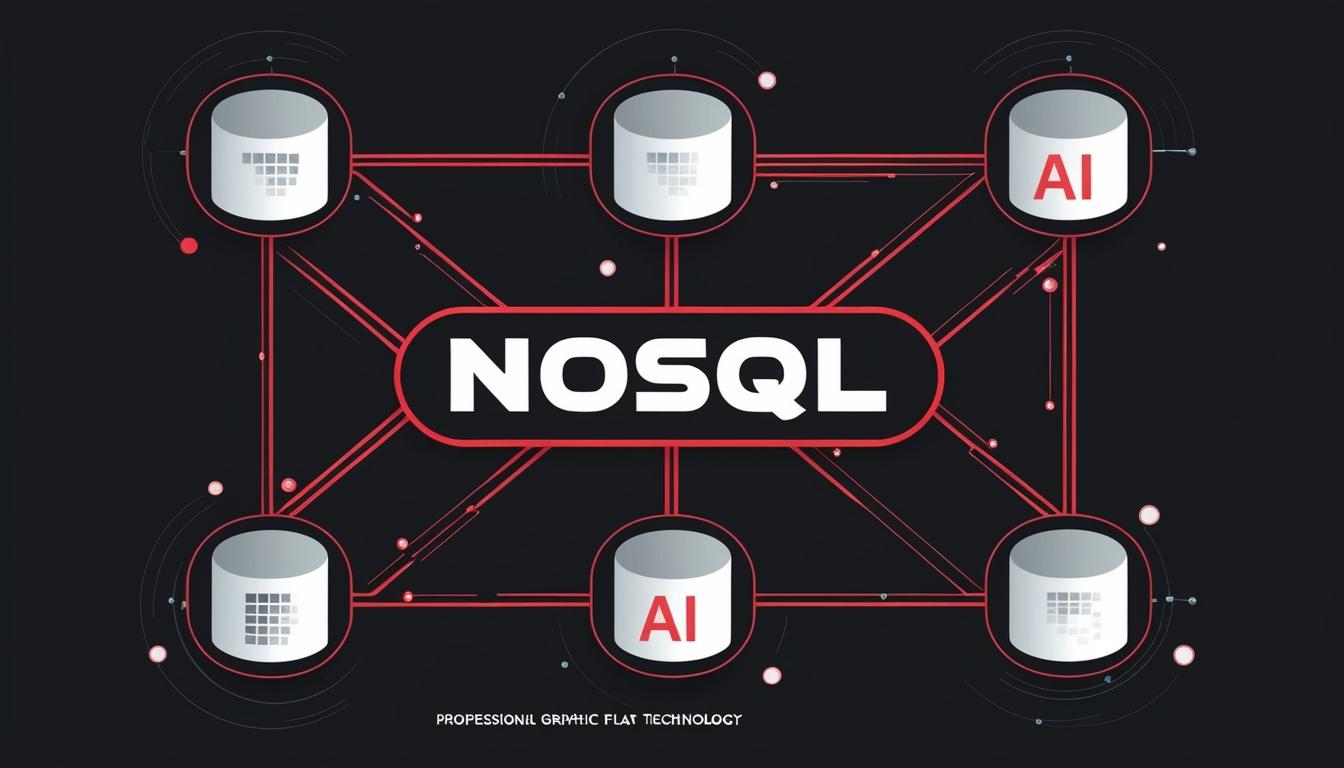
As industries globally continue to evolve in the face of rapid advancements in technology, the significance of data has become increasingly pronounced. Experts are now referring to data as the new global currency, highlighting the growing reliance on its collection, storage, and utilisation. A recent influx of innovations, particularly in the realm of artificial intelligence (AI), is transforming business practices and driving new expectations for data management.
According to projections, the volume of data worldwide is anticipated to soar to a staggering 200 zettabytes by 2025. In a landscape characterised by vast amounts of information, it is noteworthy that approximately 80% of this data is classified as unstructured, encompassing various forms including text documents, emails, video content, social media interactions, and images. This proliferation of diverse data types has necessitated the evolution of data management systems, with an increasing number of businesses gravitating towards NoSQL databases.
NoSQL databases have emerged as a flexible and powerful alternative to traditional relational databases, particularly well-suited for managing the complexities of unstructured data. As reported, the global NoSQL database market is projected to expand dramatically, from $9.38 billion in 2024 to an impressive $86.48 billion by the close of 2032. This anticipated growth can be attributed to several key factors that underscore the advantages of NoSQL systems.
One significant benefit is scalability. Businesses today face the challenge of managing data that continuously expands. Unlike traditional databases, which typically rely on vertical scaling that demands incremental hardware increases, NoSQL databases enable horizontal scaling. This means that organisations can effortlessly add more nodes to accommodate increased workloads, thereby maintaining agility and competitiveness in a fast-paced market.
Flexibility is another reason behind the increasing adoption of NoSQL technologies. These databases support a range of data models—document databases, key-value databases, wide-column stores, and graph databases—each offering unique methods for storing and accessing unstructured data. For instance, graph databases are particularly adept at managing highly interconnected data, while key-value stores excel in providing high-performance reads and writes, making them ideal for caching and session management.
High performance is also a hallmark of NoSQL databases. Given the rising need for businesses to effectively manage extensive data volumes, traditional SQL databases may falter due to inherent limitations in architecture and indexing mechanisms. In contrast, NoSQL systems employ distributed storage, sharding, and optimised indexing to efficiently handle large sets of data, even during peak operational periods.
Furthermore, ease of use is an essential aspect of NoSQL databases that appeals to developers. The architecture of document databases often employs coding formats similar to JSON, which many developers are already familiar with, minimising the learning curve associated with new programming languages. Additionally, NoSQL databases can store data in native formats, eliminating the need for data adaptation to fit predetermined models, thereby saving both time and resources.
The versatility of NoSQL databases has led to diverse applications across multiple sectors. In e-commerce, for example, these databases facilitate the tracking of substantial consumer and product data, allowing for enhanced personalisation of services. In the finance sector, firms utilise NoSQL technologies to analyse market trends and provide robust risk assessments to clients. Moreover, mobile app developers are leveraging NoSQL systems to store user profiles, location data, and app usage statistics, driving the evolution of products tailored to user needs.
In light of these compelling advantages, NoSQL databases are positioned as a critical component of the future of data management, with many businesses currently integrating them into their operational frameworks. As the landscape of data continues to expand and evolve, these systems are likely to play an increasingly prominent role in shaping the way industries manage and interact with information.
Source: Noah Wire Services