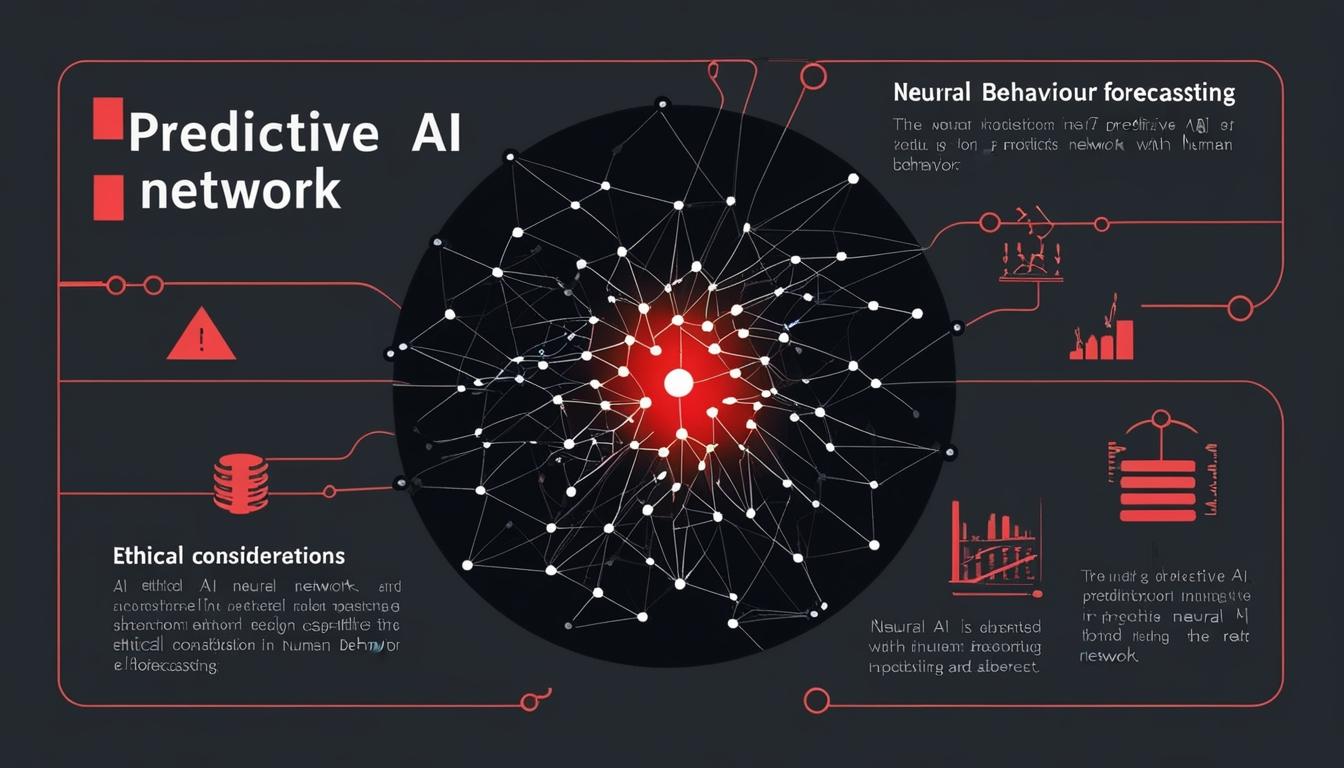
In a significant leap forward for technology, artificial intelligence (AI) is reportedly beginning to predict human behaviour with remarkable precision, marking what many are calling the "predictive AI revolution." This novel development utilises extensive datasets alongside advanced machine learning algorithms to forecast individual actions and choices across a variety of contexts.
The functionality of predictive AI systems relies on innovative techniques that merge neural networks with statistical models. According to current reporting, these systems meticulously analyse patterns derived from user behaviour, encompassing diverse data points such as online shopping trends, social media engagements, and even healthcare information. The aim is not merely to ascertain what individuals might do next, but rather to delve into the intricate processes underpinning human decision-making.
The implications of this technology for society could be transformative, particularly in sectors like marketing, personalised content delivery, and healthcare. For instance, predictive models have the potential to issue tailored health recommendations even before users experience physical symptoms, thereby enhancing preventative healthcare strategies. This level of anticipatory capability could fundamentally alter how businesses interact with consumers, creating a landscape where user needs can be addressed before they are explicitly expressed.
However, with such advancements come pressing ethical considerations. The ability to predict behaviour raises significant concerns regarding privacy and the ethical boundaries of surveillance. Keeping pace with these technological developments necessitates a rigorous examination of data consent and the degree of monitoring that is acceptable in a modern society increasingly shaped by AI systems.
The growth trajectory for predictive AI appears robust, with its adoption expected to spread rapidly across multiple sectors. As businesses increasingly recognise the strategic advantages presented by AI-driven insights, improvements in operational efficiency and customer satisfaction are reported. The potential for predictive AI to shape decision-making frameworks in industries globally is becoming ever more evident.
Looking to the future, the evolution of predictive AI holds promise for even more advanced algorithms capable of interpreting intricate human emotions and social behaviours. Such advancements could pave the way for innovative applications in areas such as mental health, education, and smart city infrastructure, enabling environments that adapt fluidly to human needs.
As society stands on the brink of this new digital era, the challenges and opportunities surrounding predictive AI are becoming more pronounced. Balancing the capabilities of this advanced technology with the ethical imperative for responsible usage will be crucial as we navigate the evolving landscape where innovation and ethical considerations intersect.
Source: Noah Wire Services