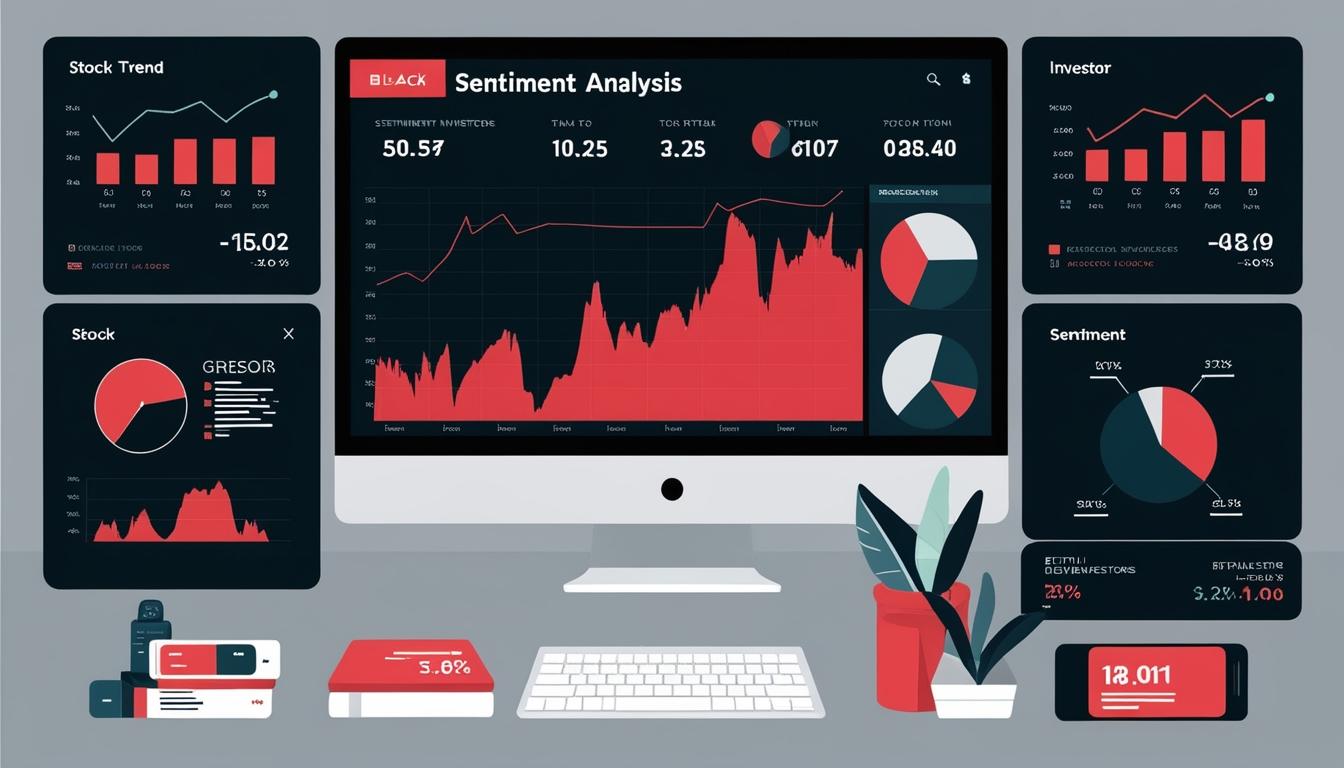
In an era where dynamic financial markets are relentless, the need for retail investors to remain informed about emerging trends is increasingly vital. Recent advancements in technology have given rise to sentiment analysis tools, which are significantly reshaping the landscape of investment strategies. According to TechBullion, these innovations harness the capabilities of natural language processing (NLP), artificial intelligence (AI), and big data to provide insights into public sentiment regarding stocks, sectors, and overall market conditions. This development promises to level the playing field between individual investors and their institutional counterparts.
Sentiment analysis, commonly referred to as opinion mining, entails the examination of textual data to extract whether the expressed sentiment is positive, negative, or neutral. In financial contexts, this analysis is rooted in extracting opinions from a variety of sources, including news articles, social media, and analyst reports. As public opinions often influence market behaviours, the ability of investors to gauge sentiment through these tools may have significant implications for stock pricing.
The utility of sentiment analysis is particularly pronounced for retail investors who regularly face the challenge of navigating complicated financial landscapes with limited access to advanced resources. Unlike institutional investors who can leverage extensive teams and expensive tools, sentiment analysis provides retail investors with crucial insights into market conditions. Key benefits highlighted in the report include:
- Understanding Market Sentiment: These tools can indicate whether general sentiment is leaning bullish or bearish regarding specific stocks or sectors.
- Early Trend Detection: By monitoring sentiment shifts, investors can identify emerging trends before they are visible through conventional indicators.
- Risk Mitigation: Awareness of negative sentiment can serve as an early warning signal for potential downturns.
- Enhanced Decision-Making: Sentiment data dovetails with traditional fundamental and technical analyses, allowing for a more involved decision-making process.
Notable features of sentiment analysis tools include data aggregation from various sources such as social media platforms, real-time analytics, sentiment scoring, and interactive visualisation of sentiment trends. Prominent platforms that provide sentiment analysis for retail investors include StockTwits, Sentifi, and TipRanks, each offering unique functionalities that enable users to track and interpret market sentiment effectively.
The methodology behind sentiment analysis tools involves several sophisticated steps. Initially, data is collected from diverse sources, followed by preprocessing to clean and standardise the information. NLP algorithms are then employed to analyse the textual data, leading to sentiment scoring, after which trend analysis can identify patterns to prepare investors for possible market movements. Ultimately, these tools deliver actionable insights through reports and dashboards that assist retail investors in timely decision-making.
While the advantages of sentiment analysis tools are clear, they are also accompanied by certain limitations. The accuracy of sentiment analysis hinges on the quality of the data sourced; inaccuracies in social media data can lead to false signals. Additionally, an overreliance on sentiment analysis, without considering other critical factors, can result in misguided investment strategies.
Best practices for optimising the use of sentiment analysis tools involve combining them with other investment analyses, monitoring various data sources to mitigate bias, and setting precise investment objectives. Investors are also advised to stay updated on sentiment trends and exercise caution by treating sentiment data as one of many inputs in the decision-making framework.
The future of sentiment analysis in retail investing is geared toward innovation, with a greater emphasis on advanced technologies such as deep learning and AI-driven predictive algorithms. The ongoing integration of these tools with robo-advisors and trading platforms is anticipated to further refine the investment process for individual investors, thus enhancing their ability to navigate financial markets successfully.
As the capabilities of sentiment analysis tools evolve, they promise to provide retail investors with invaluable insights, augmenting their investment methodologies and enabling them to make more informed decisions in a competitive financial environment.
Source: Noah Wire Services