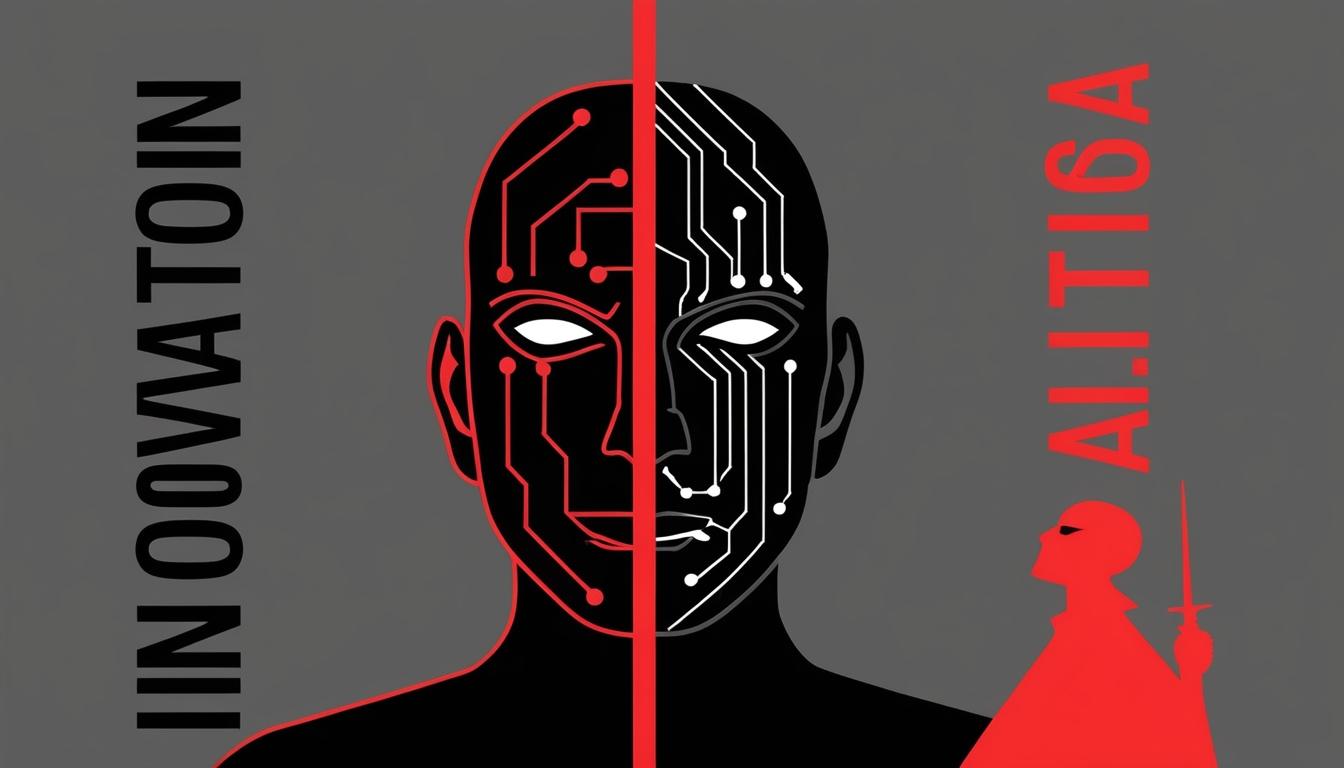
For several years, the conversation surrounding advanced artificial intelligence (AI) has been punctuated by stark warnings from technologists about potential catastrophic outcomes. However, in 2024, the prevailing narrative shifted dramatically, as the promotion of generative AI took centre stage within the tech industry. Many experts in the field indicated a more prosperous and practical outlook for AI, one that also aligned with the financial interests of these companies.
The individuals expressing concern about the dangers of AI have become colloquially known as "AI doomers." These experts argue that advanced AI systems may lead to devastating decisions that could negatively impact humanity, including oppression by the powerful or a broader societal collapse. Their concerns gained traction throughout 2023, a year characterised by a renaissance in tech regulation discussions. This subject began to appear not only in niche tech circles but also in mainstream media, including platforms such as MSNBC, CNN, and the New York Times.
In 2023, notable figures like Elon Musk, alongside over 1,000 technologists and scientists, called for a moratorium on AI development to allow society to grapple with the technology's inherent risks. Following this, leading scientists from organisations such as OpenAI and Google signed an open letter that urged for increased recognition of AI's potential for existential threats. Amidst these discussions, President Biden signed an executive order aimed at safeguarding Americans from emerging AI systems. The year also witnessed a significant upheaval when OpenAI's board dismissed CEO Sam Altman, citing concerns over his trustworthiness regarding artificial general intelligence (AGI).
Despite the substantial concerns raised, the narrative surrounding AI doom began to lose its impact in 2024, especially among entrepreneurs in Silicon Valley. The co-founder of venture capital firm a16z, Marc Andreessen, authored a lengthy essay titled “Why AI will save the world,” where he challenged the AI doomers. He asserted that AI would not lead to the destruction of human society but instead might benefit it. Spearheading an unyielding pro-AI stance, Andreessen suggested that companies should be allowed to progress with minimal regulatory interference to avoid monopolistic powers controlling the technology. His viewpoint resonated particularly well within venture capital circles, where financial gain is a paramount concern.
Contrary to the cautionary voices of 2023, investment in AI surged dramatically in 2024. Notably, Altman returned as OpenAI’s CEO following the tumultuous events of the previous year. The incoming administration under President-elect Donald Trump also showed a willingness to reduce regulatory frameworks surrounding the AI industry, with Trump indicating plans to repeal Biden’s executive order, arguing that it stifles innovation.
Moreover, the discourse surrounding catastrophic AI risks evolved, particularly highlighted in the legislative battle regarding California’s Senate Bill 1047 (SB 1047), which aimed to mitigate the potential for advanced AI systems to cause widespread harm. This bill, supported by prominent AI researchers, made it through the California Legislature but was ultimately vetoed by Governor Gavin Newsom. The Governor described the bill as having implications that were "outsized," and during public remarks, he alluded to the complex landscape of problems that AI regulation poses.
During this period, the proponents of SB 1047 faced significant pushback from various tech stakeholders who portrayed the bill as overly broad and detrimental to the innovation landscape in Silicon Valley. Some critics alleged that misinformation was prevalent around the bill's implications, particularly regarding potential legal liabilities for software developers.
Nonetheless, the discourse highlighted the increasing distance between regulators and those warning of the risks, as many state and federal lawmakers shifted their focus to pragmatic applications of AI, including its use in government and military sectors.
As 2024 drew to a close, there were hints from lawmakers that the conversation on AI regulation might re-emerge in 2025. Despite the setback of SB 1047, advocates believe public awareness of long-term AI risks has grown, suggesting that fresh efforts could be launched to address the challenges posed by advanced AI systems.
Tensions in this debate illustrate the complex dynamics between innovation and safety. The rapid advancement in AI technologies has birthed products previously confined to the realms of science fiction, leaving stakeholders grappling with the implications of harnessing such tools. With the landscape constantly evolving, the interplay between technological advancement and regulatory considerations is likely to remain a focal point in the dialogue surrounding AI in the years to come.
Source: Noah Wire Services