As electric truck deployment gains momentum, the need for efficient and modular charging infrastructure is becoming increasingly critical. Rish Ghatikar and Michael Barnard, experts in sustainability and strategic transportation, have produced comprehensive insights into the integral role of microgrids and tailored charging solutions for the burgeoning sector of heavy-duty electric vehicles. Their analysis was featured in "CleanTechnica".
In their exploration, Ghatikar and Barnard identified significant challenges that can hinder the rapid implementation of megawatt-scale charging solutions essential for accelerating truck electrification. They advocate for the establishment of modular charging infrastructures at truck depots and stops, highlighting the potential benefits derived from optimally configured microgrids. These microgrids can integrate solar energy, battery storage, and power management technologies to enhance operational efficiency and ensure reliable energy supply.
The authors argue that the modularity of component parts is vital for scalability and flexibility. Adopting a strategy that begins with smaller microgrids, which require lower initial investment, can facilitate a gradual increase in capacity as fleet electrification progresses. This allows operators to strategically secure necessary permissions for larger grid connections and deploy additional charging equipment over time.
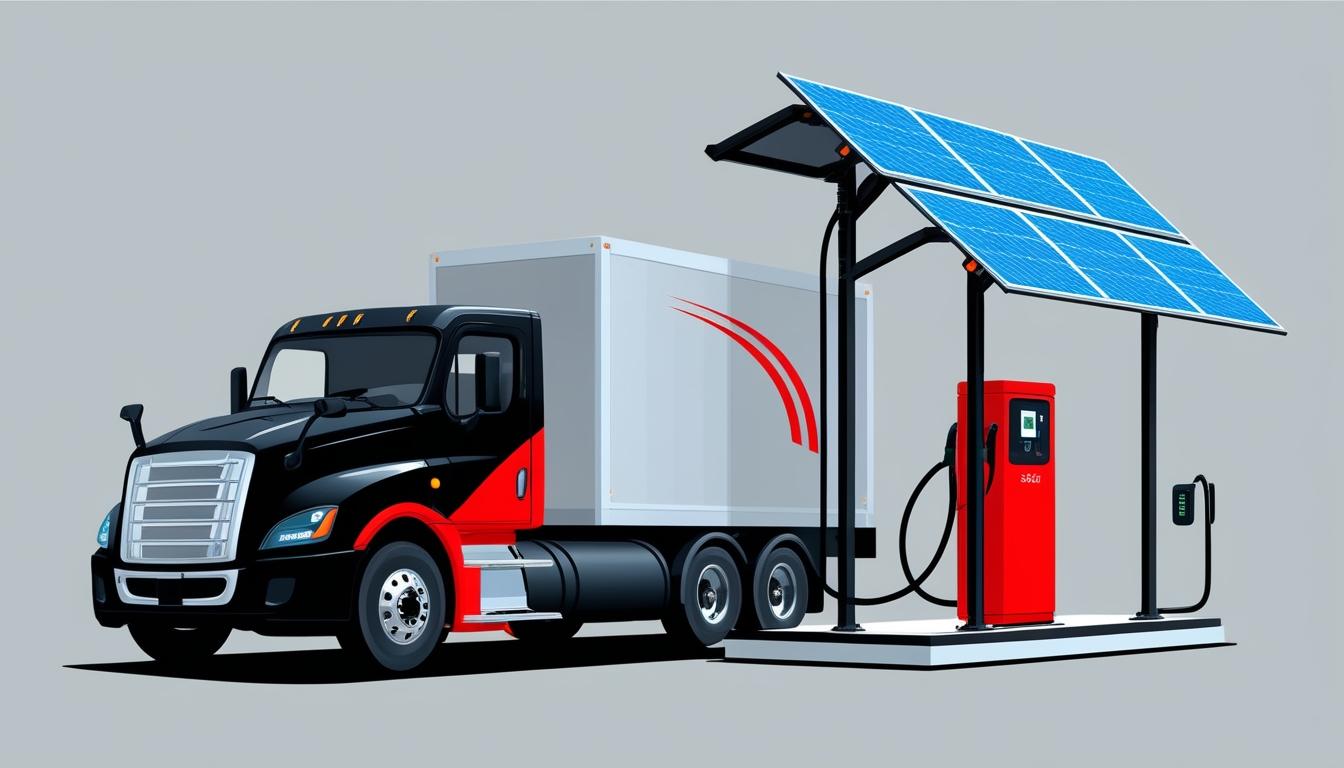
In their commentary, they reference Bent Flyvbjerg’s publication, "How Big Things Get Done," which emphasises modular design as a crucial principle in the transformation of electric truck charging systems. To accommodate the high charging demands at truck stops, which differ significantly from depot charging requirements, Ghatikar and Barnard propose an initial setup featuring two-megawatt chargers, supported by battery buffering and solar canopies. This configuration is intended to allow for seamless incremental upgrades as the demand for charging grows.
Notably, the authors highlighted existing inefficiencies in the manufacturing processes for transformers and converters, essential components for managing power levels in the charging infrastructure. Challenges faced in the U.S. include the reliance on bespoke manufacturing practices by leading firms such as Hitachi, which prolongs the deployment timeline. Additionally, the current global market dynamics have led to a shortage of these critical components, as demand continues to rise alongside electric vehicle expansion.
Firms like AmePower have emerged to address these issues by introducing modular, software-configurable units for transformers and converters, designed specifically for the U.S. market. This innovative approach could facilitate the needed scaling of infrastructure to support electrification efforts.
As the article concludes, Ghatikar and Barnard emphasise the overarching theme of modularity, underlining its applicability across various charging scenarios. This pragmatic focus on modular deployment could enable businesses and stakeholders to overcome the complexities of adopting electric truck fleets while equipping them with the necessary infrastructure to support future growth and sustainability initiatives.
Source: Noah Wire Services