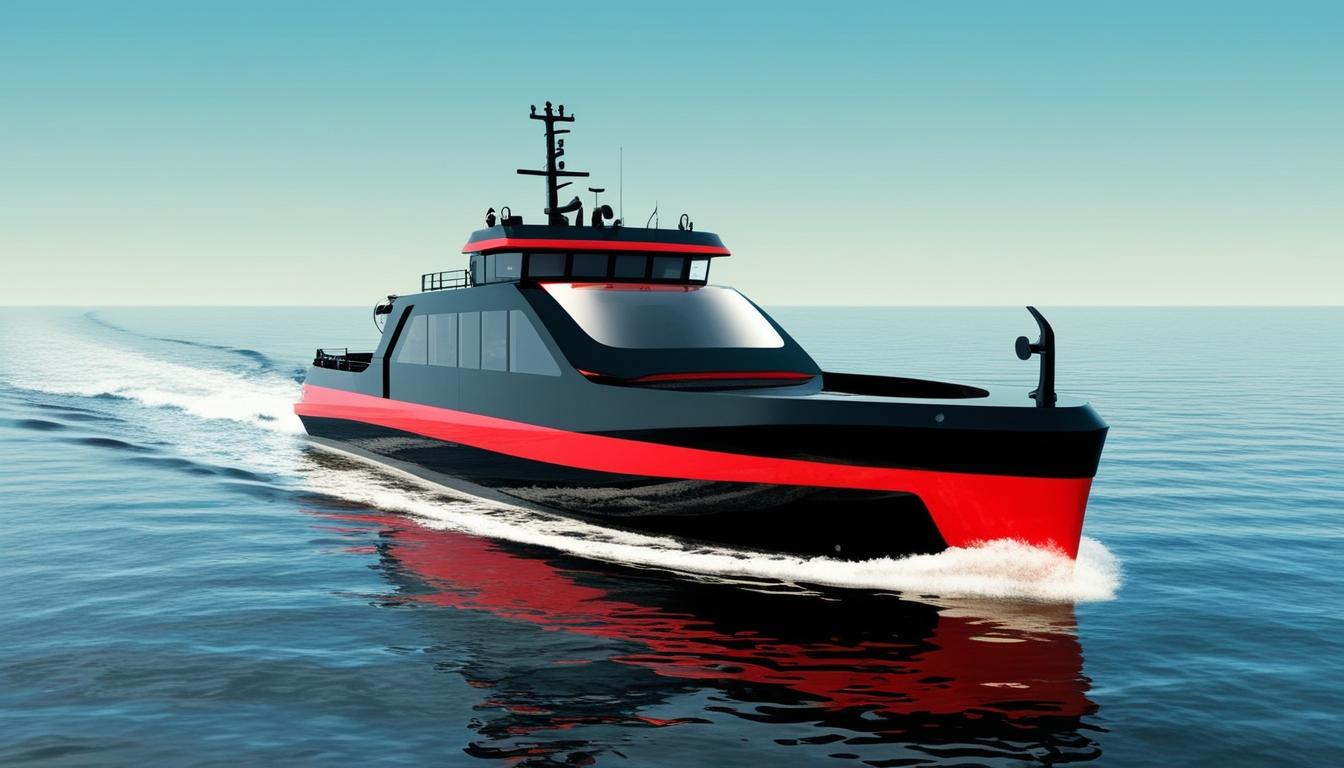
Emissions reduction and sustainability are increasingly becoming pivotal concerns in the towage sector as operators make significant investments in technology to lower environmental impacts associated with tugboats. The shift towards electric and hybrid propulsion is gathering momentum, with various shipbuilders responding to the rising demand for low-emission vessels. This trend reflects both market demands from environmentally conscious shipowners and the escalating regulatory pressures on port operations.
The ongoing investment in advanced tug designs is evidenced by the construction of tugs equipped with large batteries and shore power connections to facilitate all-electric operations. Sanmar Shipyards, for instance, recently completed the delivery of seven Dinamo-series tugs, which included vessels for clients in British Columbia, Norway, and Turkey. Looked upon as leaders in the field, Sanmar is currently engaged in building another set of electric tugs, signalling a proactive approach to meeting future demands.
Damen Shipyards also stands out for its contributions, having initially delivered its first all-electric harbour tug, named Sparky, which is currently in operation at the Ports of Auckland, New Zealand. Following that success, Damen has announced the construction of additional battery-powered vessels, including two reverse stern drive (RSD) tugs, one earmarked for Abu Dhabi Ports and another for Belgium's Port of Antwerp-Brugges. Their plans for 2025-2026 involve further expansion into electric tug construction, showcasing a broader trend of innovation within the industry.
Moreover, the global tugboat market is witnessing growth, particularly in China, where the construction and operation of electric and hybrid tugs are on the rise. Nations such as Japan, South Korea, Singapore, India, the UK, and various European countries are following suit, indicating a strong international commitment to embracing cleaner technologies.
As operators strive to cut down on emissions, alternative fuels are also gaining traction in tug construction. Shipowners are increasingly exploring biofuels derived from sustainable resources as a temporary measure to mitigate the negative environmental impacts of diesel. Notably, trials involving biofuel blends with fatty acid methyl ester and hydrogenated vegetable oil are underway in various ports, providing promising results in reducing NOx emissions and particulate matter.
Liquefied natural gas (LNG) is being adopted in export ports around the world, with several operational tugs in locations such as northern Norway, Singapore, and Canada making the transition to LNG fuel, thus achieving zero emissions of NOx and particulates.
In a forward-looking view, hydrogen and methanol are emerging as prime candidates for long-term decarbonisation solutions in the tug sector. Noteworthy initiatives include the Port of Antwerp-Bruges and CMB's operation of the world's first hydrogen-fuelled tugboat, Hydrotug 1, which was developed in collaboration with CMB.Tech. This pioneering step signifies a potential shift in operational paradigms for tugboats.
Innovations are not limited to Europe; in the United States, a consortium spearheaded by Maritime Partners is in the process of constructing the world's first hydrogen fuel cell and battery-powered inland towboat, planning trials on the Mississippi River in the upcoming years. Similarly, in Japan, NYK has conducted tests on the world's first ammonia-powered tugboat, marking another significant step towards diversifying fuel sources in maritime operations.
Overall, the trends shaping the tugboat industry in 2025 are characterised by a commitment to sustainability and innovation, with significant investments in electric and hybrid technologies alongside exploration of alternative fuels, setting a course for a greener future in towage operations.
Source: Noah Wire Services