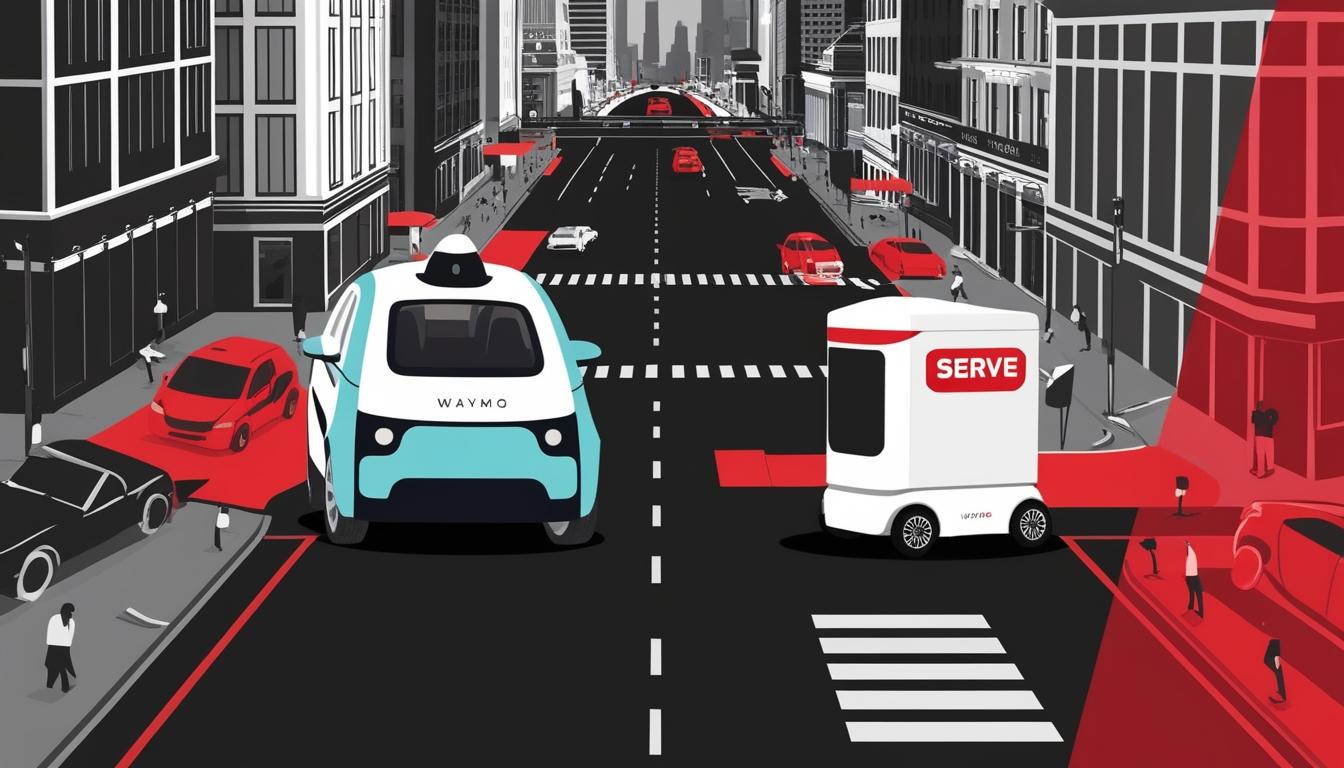
A significant incident occurred on December 27 at an intersection in West Hollywood, Los Angeles, when a Waymo robotaxi collided with a Serve Robotics sidewalk delivery robot. Footage circulating on social media captures the moments leading up to the incident, illustrating the delivery robot attempting to navigate onto the sidewalk before being struck by the Waymo vehicle, which was making a right turn.
According to the individual who shared the video, the Serve robot allegedly ran a red light prior to the collision; however, this aspect remains unverified as the footage does not provide clear evidence. A remark from a Reddit user humorously reflected on the incident, implying that the Waymo system may have misinterpreted the delivery robot's presence due to its inanimate classification.
In a response to inquiries from TechCrunch, a Waymo spokesperson stated that the Waymo Driver, the automated driving system in question, recognised the delivery robot as a non-living object. The spokesperson explained that the Waymo Driver is programmed to adhere to cautious, defensive driving principles and assesses road users based on their characteristics—adjusting its reactions according to more vulnerable entities, such as pedestrians or children. During the incident, the delivery robot hesitated at the curb before entering the vehicle’s lane, leading to a collision at a speed of just 4 miles per hour, after which neither vehicle sustained damage.
After the incident, the Waymo robotaxi and the Serve delivery robot were briefly locked together before they resumed their paths. This event raises questions regarding liability in such collisions, particularly as the prevalence of autonomous vehicles on public roads continues to increase. Historically, when a collision occurs, Waymo's protocol includes notifying its Fleet Response and Rider Support teams, who assess the situation remotely and coordinate any necessary roadside assistance or check-ins on passengers, though in this incident, no passenger was aboard the robotaxi.
Serve Robotics confirmed that their delivery robot was under remote supervisor control at the time of the encounter, attributing this protocol to their operational guidelines for navigating intersections. While both companies have acknowledged their communication efforts to prevent future incidents, specifics relating to liability and handling protocol for damage caused in similar incidents remain unclear. As autonomous vehicles become more integrated into urban transport systems, the industry faces the challenge of establishing clear frameworks for accountability in the event of accidents involving automated technologies.
Source: Noah Wire Services