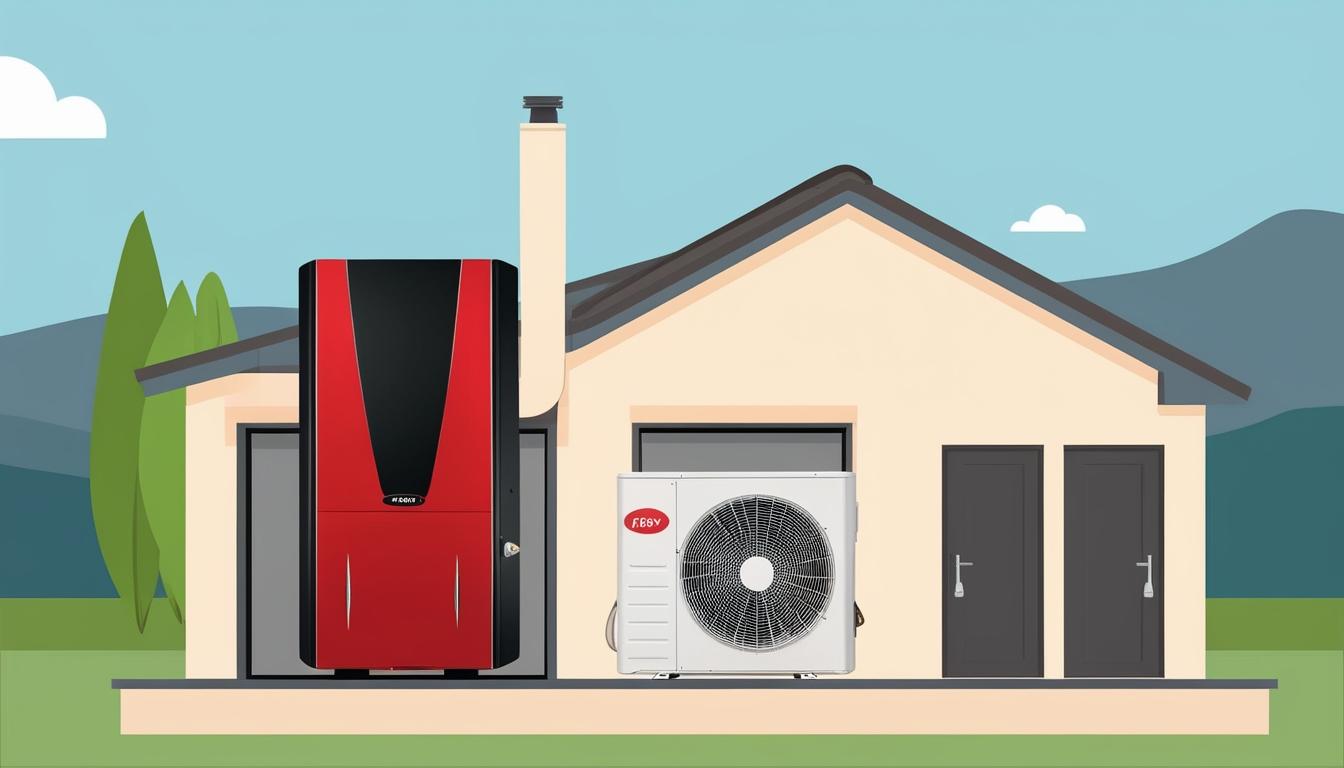
California is poised for a significant shift in its heating technology landscape, with a particular focus on heat pump technology, which is gaining traction in the residential and commercial sectors. Despite having over 25,000 licensed contractors eligible to install these systems, only a small fraction are currently active in this market. A recent study conducted by Opinion Dynamics in September 2024 highlights two major barriers to wider adoption: a lack of understanding of the technology and the challenge of integrating different business models across HVAC and plumbing sectors.
Larry Waters, owner of Electrify My Home, explained to Energy Central the critical nature of proper installation, stating, “Proper heat pump installations require engineering the system to meet the exact needs of each home.” With projected growth of the US heat pump market projected to reach $24 billion by 2028, opportunities for contractors to establish new revenue streams abound, particularly given the eco-friendly nature of heat pumps which help reduce carbon emissions and provide long-term energy savings.
As the California government seeks to accelerate the adoption of heat pump technology, initiatives such as TECH Clean California are crucial to bridging the knowledge gap in the contractor workforce. Sandy Laube, an energy efficiency workforce expert with Energy Solutions, noted, “The top-level goal is that we’re trying to prepare contractors for tomorrow.” As part of this preparation, the initiative offers workforce training courses designed to equip contractors with the necessary technical skills for successful heat pump installations.
These free training courses, provided in partnership with the National Comfort Institute and Electrify My Home, focus not only on installation techniques but also on guiding customers towards the best solutions for their homes. Waters emphasised the importance of load calculations and airflow sizing, noting that “costly mistakes... can be made” if proper planning is ignored.
Ben Lipscomb, a trainer at the National Comfort Institute, added that many technicians lack essential skills for effective heat pump installation, highlighting a disconnect between manufacturer design capabilities and the execution by technicians. “Most technicians out there just don't really know what they need to do to make these systems perform okay,” Lipscomb stated.
Furthermore, attention is being drawn to the necessity of comprehensive training that includes servicing and maintenance of heat pumps, alongside understanding relevant codes and regulations. Survey data from Opinion Dynamics revealed that two-thirds of contractors participate in these classes primarily to develop new skills rather than to meet certification obligations. Over one-third expressed a desire for more targeted maintenance and technical instruction.
TECH Clean California is also exploring innovative methods to encourage broader contractor participation, including offering stipends and expanding training into multiple languages to ensure inclusivity.
As the state grapples with transition towards electrification, proposals for policy and regulatory adjustments are on the table. Industry stakeholders are hopeful that as training increases, so too will the urgency with which contractors adopt heat pump technologies, positioning their businesses to thrive in a changing market landscape.
In light of these developments, Waters noted the importance of thorough planning in electrification strategies. He stressed that early consideration of all existing gas loads is essential to avoid complications during the transition process.
In conclusion, the collaborative efforts to advance knowledge and skills in heat pump installations represent a proactive response to California's climate goals and an opportunity for contractors to lead in an evolving technological landscape. The ultimate aim is to fundamentally reshape the marketplace perception of heat pumps, moving toward standard practice in installation processes across the contracting community.
Source: Noah Wire Services