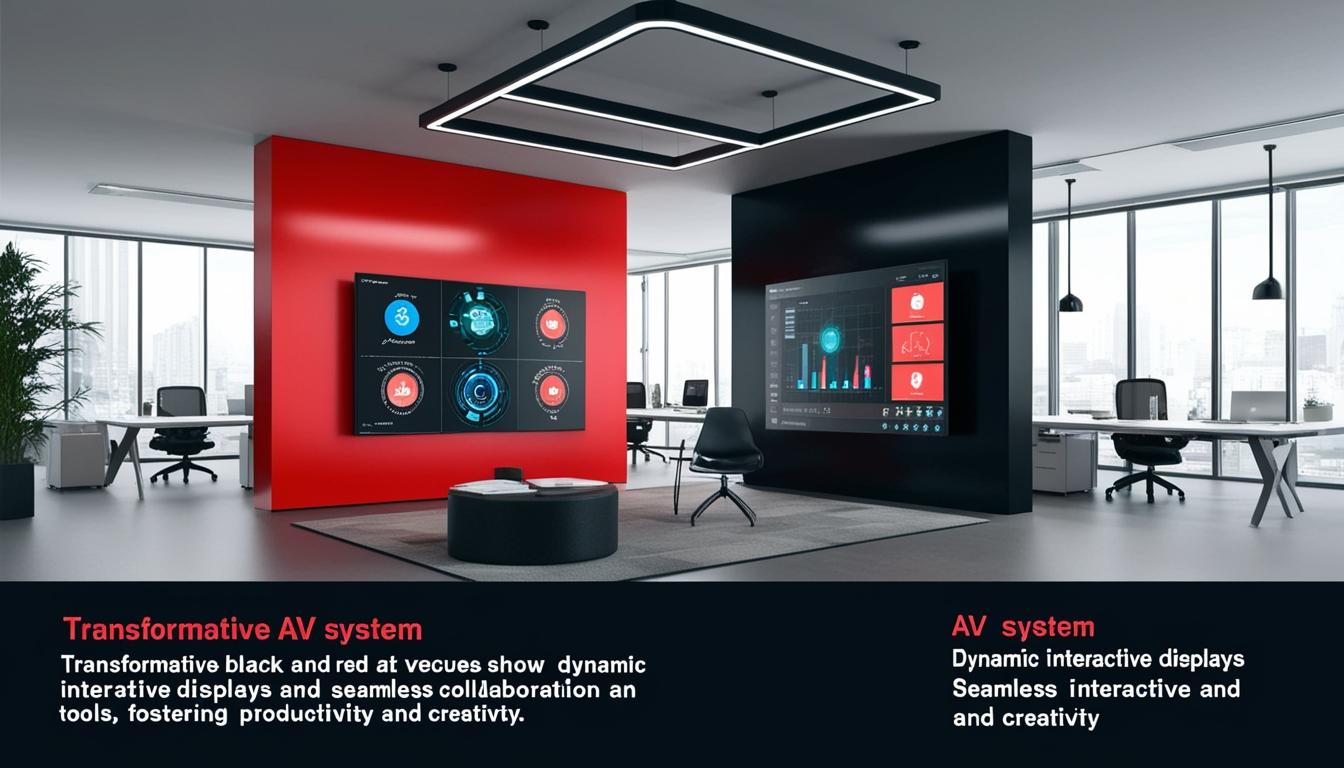
In the contemporary business landscape, the necessity for efficient and collaborative work environments has intensified, prompting organizations to seek innovative solutions. Integrated audiovisual (AV) systems are emerging as central components in this evolution, streamlining communication processes and improving overall productivity in workplace settings.
The integration of AV technologies is becoming increasingly vital, as businesses recognise the inefficiencies of managing multiple, disparate systems. Modern AV solutions provide a cohesive platform that interlinks video conferencing, presentation tools, and collaborative applications, thus facilitating effortless interaction among team members. Experts in the AV industry are tasked with the challenge of determining the optimal combination of devices and technologies that cater specifically to the needs of corporate clients.
Leading manufacturers, such as Crestron and Extron, have developed integrated systems that allow users to manage lighting, climate control, and audiovisual equipment through a single interface. This consolidation not only simplifies the user experience but also minimizes downtime and enhances the functionality of meeting spaces. By evolving traditional conference rooms into smart environments, businesses can realise significant time and resource savings.
Several emerging technologies are propelling the trend towards integrated AV solutions. Cloud-based platforms, for instance, have revolutionised remote collaboration, enabling organisations to conduct virtual meetings without geographical confines. Tools like Microsoft Teams and Zoom, when seamlessly integrated into existing corporate frameworks, provide robust communication channels that enhance workplace productivity.
Moreover, interactive displays have gained traction as essential tools in facilitating engagement during meetings. These cutting-edge screens serve as dynamic collaboration hubs, allowing teams to brainstorm ideas and share insights in real-time. Products like Microsoft Surface Hub and Google Jamboard epitomise this trend, promoting a high level of interactivity within corporate settings.
Wireless presentation systems, such as Barco ClickShare and Airtame, have also gained popularity by eliminating the complications associated with wired connections. These devices allow participants to share content effortlessly from any compatible gadget, enhancing the fluidity of presentations and discussions.
To successfully implement AV solutions within modern workplaces, businesses must adopt several strategic measures. A comprehensive needs and goals assessment is fundamental, allowing businesses to address unique challenges and tailor the AV infrastructure accordingly. Additionally, investing in scalable systems will enable companies to adapt to technological advancements without the burden of overhauling existing setups.
User-friendliness is another critical aspect; intuitive AV solutions with simple interfaces are essential to preventing productivity setbacks caused by complicated systems. Robust support services further ensure that employees can leverage technologies effectively.
The integration of advanced AV solutions is redefining workspaces, fostering environments that enhance communication and collaboration. By harnessing these innovative technologies through careful planning and implementation, AV professionals are transforming workplaces into dynamic hubs of creativity and efficiency. As industries continue to evolve, the adoption of integrated AV systems may serve as a crucial factor in maintaining competitiveness and achieving better outcomes for businesses and their employees.
Source: Noah Wire Services