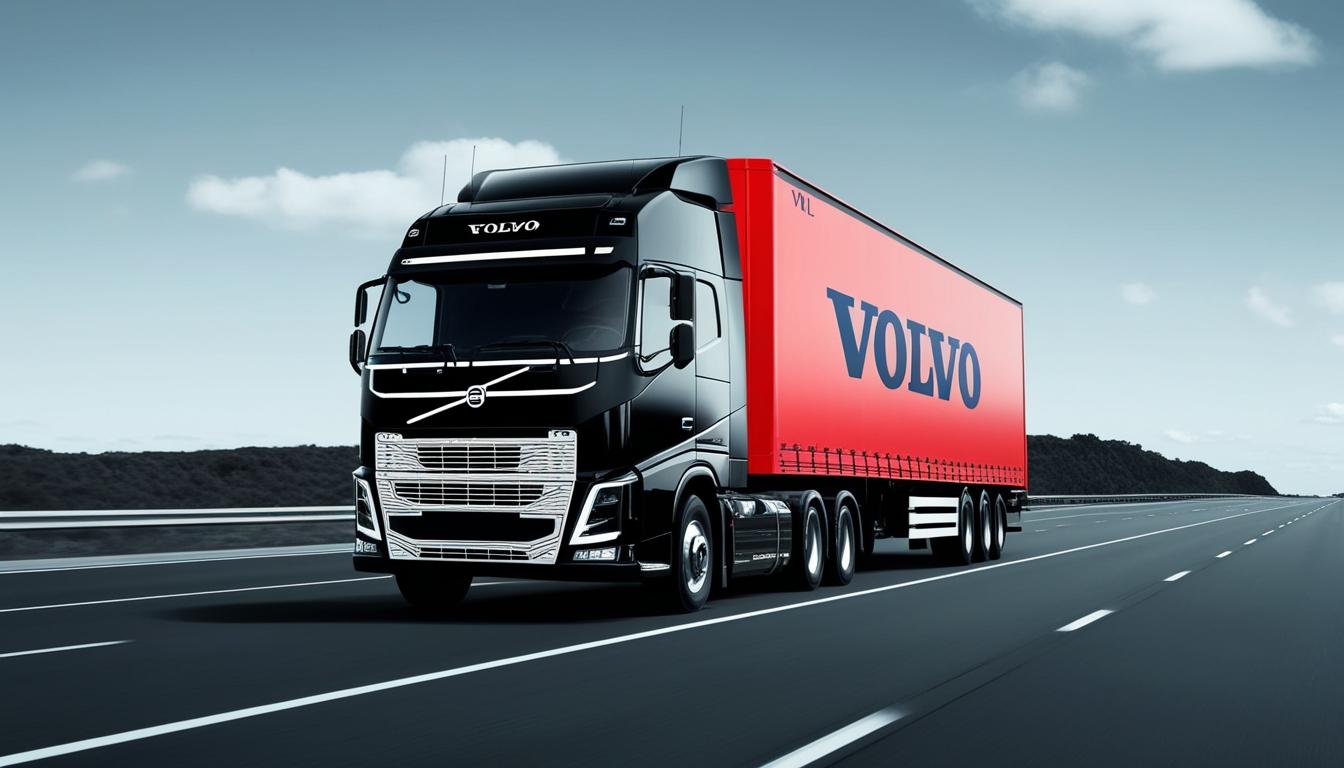
Volvo Autonomous Solutions (VAS) and DHL Supply Chain have embarked on a transformative journey in freight transportation with the initiation of autonomous operations in the United States. This significant milestone was marked by the deployment of the production-ready Volvo VNL Autonomous truck, which is powered by the advanced Aurora Driver technology. The launch serves as a critical phase in validating the necessary ecosystem for scaling autonomous transport.
As part of the pilot operations, a safety driver will oversee the truck's performance and integration within existing logistics networks. Initially, freight will be transported along two routes: from Dallas to Houston and from Fort Worth to El Paso.
Sasko Cuklev, head of on-road solutions at VAS, noted the importance of early adopters in the broader acceptance of autonomous technology, stating, “Early adopters play a pivotal role in accelerating the deployment and acceptance of autonomous technology, enabling us to validate both safety and operational performance.” He highlighted the collaboration with DHL as an example of how autonomy can enhance freight capacity and improve supply chain efficiencies.
Jim Monkmeyer, president of transportation for DHL Supply Chain North America, elaborated on the benefits of this partnership, stating, “Autonomy is a key enabler in advancing the digital transformation across the logistics sector by providing reliable long-haul capacity.” Monkmeyer further described the longstanding relationship with Volvo as crucial for aligning autonomous solutions with the continuous operational demands of the logistics sector.
In line with Volvo's dedication to safety, the Volvo VNL Autonomous truck is engineered with built-in redundancy for critical systems. In the absence of a human driver, these safety measures ensure the vehicle can autonomously manage any situations arising from primary system failures, thereby maintaining safe operations. Collaborating closely with Aurora, whose technology allows the VNL Autonomous to perceive its environment effectively, Volvo has integrated high-resolution cameras, imaging radar, and proprietary long-range lidar, which facilitate autonomous operations at high speeds.
Nils Jaeger, president of VAS, emphasised the necessity for a comprehensive support network for the successful deployment of autonomous vehicles. He stated, “For a large-scale deployment of autonomy, there also needs to be a cohesive and seamless support network of surrounding infrastructure, which creates a comprehensive autonomous ecosystem that enables daily operations.” To ensure the uninterrupted functioning of these autonomous fleets, VAS has partnered with Bruckner’s Truck & Equipment alongside various Volvo Trucks dealers in Texas to establish critical service and support points for the Volvo VNL Autonomous.
The introduction of autonomous transport is projected to revolutionise the logistics industry by reducing operational expenses, enhancing efficiency, and bolstering safety measures. As expressed by Monkmeyer, these vehicles can function around the clock, expediting delivery and refining supply chains. The potential of autonomous trucks also extends to improving drivers' working conditions by enabling fleet management through remote monitoring and alleviating some of the physical and mental demands placed upon drivers, which could enhance job satisfaction.
Strategic collaborations, such as that between VAS and DHL Supply Chain, are vital in harnessing resources and expertise to foster regulatory and public trust in autonomous technologies. This partnership aims to realise the comprehensive benefits of autonomy within the transport sector.
Source: Noah Wire Services