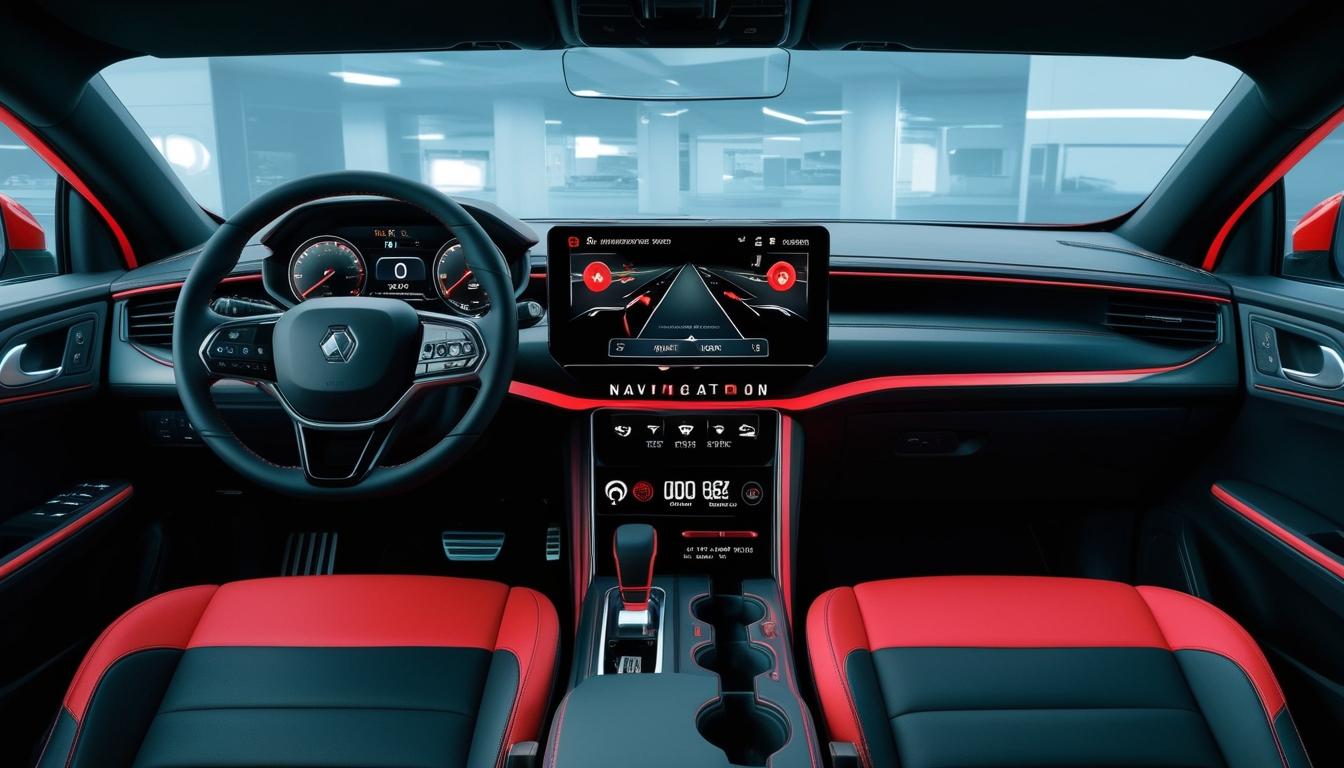
In the rapidly evolving landscape of digital transformation, augmented reality (AR) technology is increasingly being integrated into vehicle systems, ushering in a new era of safety enhancements and improved driving experiences. Anand Kumar Vedantham, a researcher specialising in AR applications, has shed light on this transformative technology, illustrating its critical role in developing smarter and more connected roadways.
The integration of AR into modern vehicles is reshaping standards of safety on the roads. By utilising real-time data from an array of sensors and cameras, AR systems significantly enhance situational awareness while alleviating cognitive load for drivers. Advanced AR-based navigation systems, for instance, have been shown to reduce driver response times by 18.3%, resulting in clearer hazard detection and improved navigation accuracy. This advancement equips drivers with intuitive technological tools that facilitate quicker and safer decision-making, particularly in complex urban environments.
Collision avoidance is another significant area where AR is making a notable impact. AR-driven systems are capable of delivering precise real-time warnings, which can reduce the risk of rear-end collisions by over 65%. These systems enhance driver reaction times by 0.7 seconds compared to traditional alerts, offering a crucial advantage in emergency situations. Such capabilities highlight the transformative potential of AR in enhancing road safety and mitigating the likelihood of accidents.
The challenges presented by blind spots and low visibility are being effectively addressed through AR-powered blind spot monitoring systems. These innovations, which integrate advanced visualisation tools with sensor data, boast an impressive 95.8% detection accuracy even under adverse weather conditions. Consequently, they help to significantly reduce lane-change incidents by nearly 50%, demonstrating AR's capacity to overcome conventional visibility constraints and contribute to safer driving conditions for all road users.
On the practical side of driving, AR technology is streamlining parking processes. AR-guided systems, leveraging wide-angle cameras and ultrasonic sensors, are facilitating a reduction in parking time by 37.8% and improving accuracy to within 3.2 centimetres. These systems provide users with precise and intuitive guidance, effectively minimising stress and mitigating errors that often accompany tight parking situations. Furthermore, AR enhances vehicle diagnostics through real-time fault detection, achieving an accuracy of 89.4%. Such capabilities enable drivers to anticipate maintenance requirements and proactively address potential issues, thereby avoiding unexpected breakdowns.
The future of vehicle technology is being bolstered by the integration of artificial intelligence (AI) and 5G networks with AR systems. AI-powered algorithms enhance predictive capabilities, identifying road hazards with an impressive 95.3% accuracy up to 3.5 seconds before they arise. Concurrently, the adoption of 5G networks facilitates ultra-low latency, allowing AR systems to process and display real-time data with unprecedented speed and precision, thus transforming safety standards and driving efficiency.
Moreover, advancements in AR display technology are delivering improved brightness and energy efficiency, complemented by the incorporation of night vision capabilities that can detect objects up to 200 metres away even in complete darkness. These innovations are set to revolutionise night driving, contributing significantly to safety and driver confidence.
Looking towards the future, the ongoing evolution of AR technology promises to synergise with smart city infrastructure. By harnessing real-time data from urban sensors, AR has the potential to enhance traffic flow efficiency by up to 35%, consequently reducing congestion and improving overall road safety. With continual advancements in artificial intelligence, sensor technologies, and display systems, AR is expected to become a foundational element within the automotive industry, paving the way for smarter, safer, and more efficient transportation solutions.
In conclusion, Anand Kumar Vedantham’s research underscores the profound impact of augmented reality (AR) on vehicle technology, particularly its capability to revolutionise safety and improve driving experiences. As AR technology continues to advance, its influence in redefining transportation is anticipated to expand, setting the stage for safer roads, intuitive driving systems, and a more interconnected future on the highways.
Source: Noah Wire Services