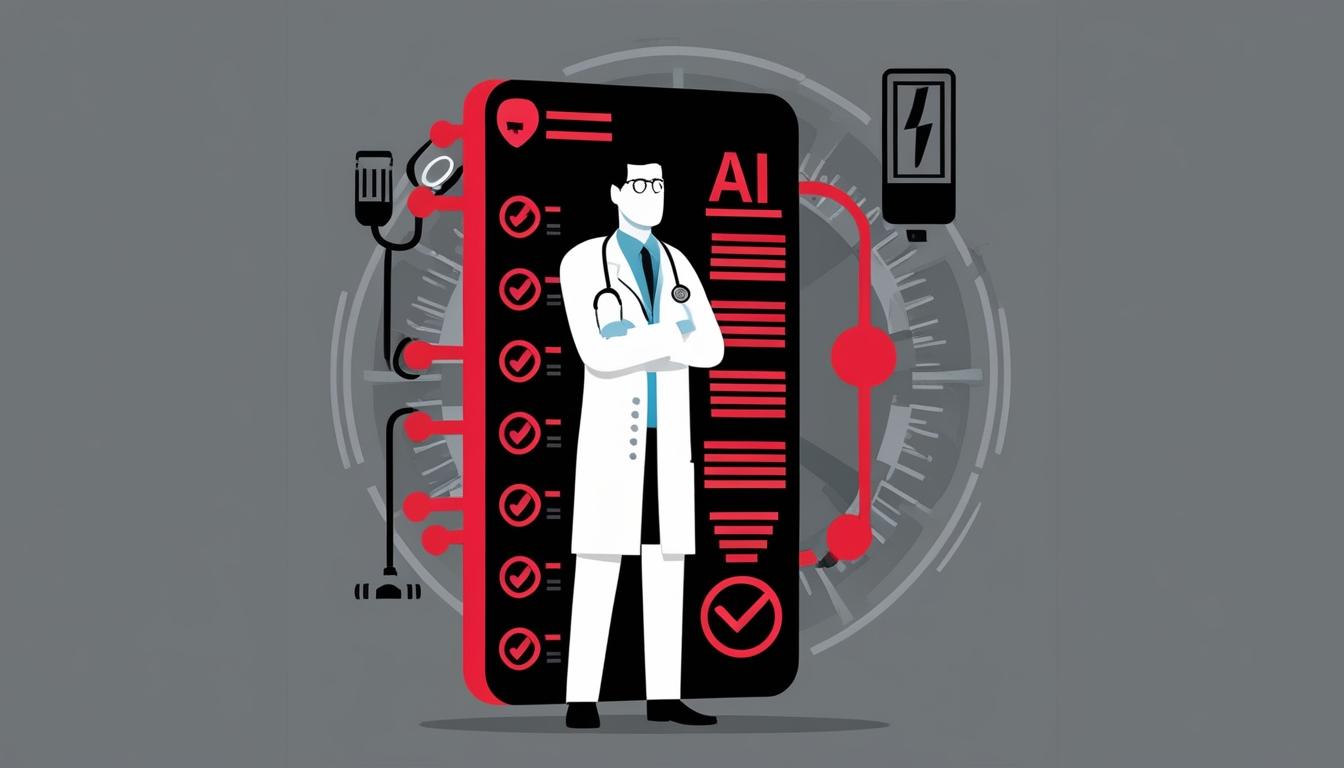
In California, a significant legislative measure has been introduced to address the rising discontent surrounding health insurance claims, which saw approximately 26% of these claims denied last year in the state. This new law, Senate Bill 1120, also known as the “Physicians Make Decisions Act,” was signed into law by Governor Gavin Newsom and aims to ensure that decisions regarding coverage are not based solely on artificial intelligence (AI) algorithms, thus maintaining a human element within the process.
This move comes amid mounting public frustration towards health insurance companies, exacerbated by high-profile incidents, such as the recent tragic killing of a UnitedHealthcare executive in New York City, which has seemingly amplified public outrage over the industry's practices. Speaking to the issue, state Senator Josh Becker, a Democrat from Menlo Park and the law's primary author, highlighted alarming statistics from the California Nurses Association, noting that nationwide, health insurance providers denied over 49 million claims in 2021, while less than 0.2% of those decisions were appealed.
Senate Bill 1120 explicitly prohibits insurance companies from making denial decisions solely based on AI. While it does not outright ban the use of artificial intelligence in health care, it mandates human oversight in all coverage decisions involving the denial, delay, or alteration of medically necessary services as determined by physicians. “An algorithm cannot fully understand a patient’s unique medical history or needs, and its misuse can lead to devastating consequences,” Becker stated. He expressed that this law is essential for ensuring human oversight remains central to health care decisions, thereby protecting Californians' access to necessary medical care.
Furthermore, the California Department of Managed Health Care will be tasked with the enforcement of this law, including the auditing of denial rates and ensuring transparency from health insurers. The law sets strict deadlines for insurance companies to make decisions regarding authorisations: five business days for standard cases, 72 hours for urgent situations, and 30 days for retrospective reviews. Additionally, state regulators have the authority to impose fines on insurers for violations related to missed deadlines or improper usage of AI tools.
Erin Mellon, a spokesperson for the California Medical Association, a co-sponsor of the bill, emphasised the importance of ensuring that the relationship between doctors and patients is not undermined by automated systems. “Artificial intelligence has the potential to improve patient care, but it should not harm or supplant that relationship,” she remarked, noting troubling instances where automated systems have erroneously denied patients access to necessary healthcare.
Various voices in the community echo these sentiments. Paula Wolfson, a manager at Avenidas Care Partners, a non-profit serving older adults, shared insights on the stress that insurance denials impose on families. "It causes enormous stress. I hear from families dealing with high-risk situations because they can’t access the health care services they need,” she expressed, welcoming California's proactive stance on regulating AI in healthcare as a sign of hope that policymakers are considering the impacts of these decisions.
Senator Becker also noted the national implications of this legislation, revealing that 19 other states are currently examining similar legislative measures. Furthermore, he indicated that several congressional offices have reached out, contemplating potential federal legislation on the matter. The overarching objective remains to safeguard Californian citizens while simultaneously setting a potential precedent on a national scale.
Source: Noah Wire Services