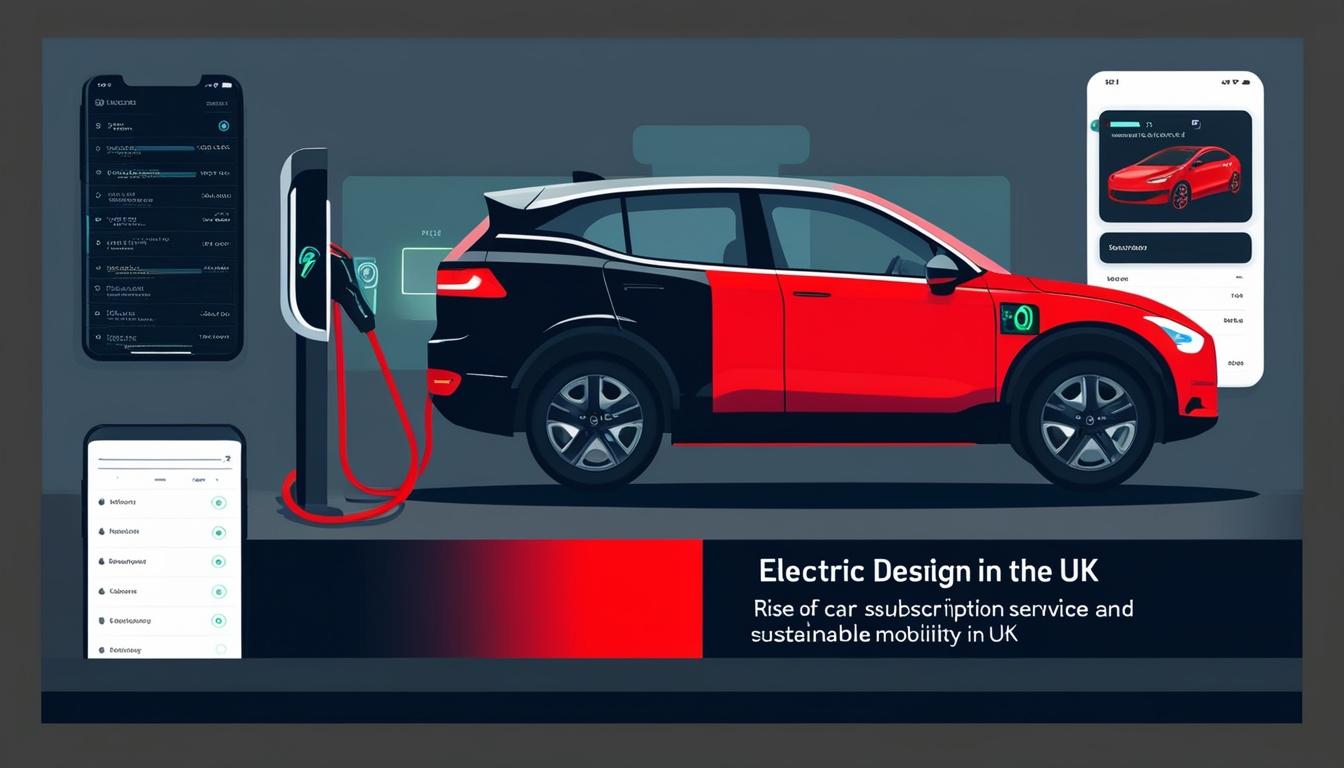
Electric vehicle (EV) sales are on the rise in the UK, with a total of 29,802 new registrations recorded in October 2023, marking an increase of approximately 25% compared to the same month the previous year. Year-to-date sales for electric vehicles are around 14% higher than in 2022, as reported by the European Automobile Manufacturers Association (ACEA).
Experts are now suggesting that car subscription models present significant untapped potential that could further enhance the adoption of green mobility across the nation. David Bailey, a professor of Business Economics at Birmingham Business School, highlighted the advantages of car subscription services in easing consumer transitions to EVs. Speaking to Mynewsdesk, he noted, "Car subscription models are a great way for consumers to 'dip their toes' into the EV market. Drivers are sometimes hesitant about adopting this new technology due to high upfront costs and fears about range and charging and uncertainty regarding resale value." He continued, "A car subscription model allows consumers to see if EVs fit their lifestyles and whether they are cost-effective for them."
One prominent player in this field is :Dribe, a car subscription service owned by Denmark’s largest automotive player, Semler Gruppen. CEO Jesper Hill-Kjærsgaard explained that their platform offers a fully digital customer journey with open-ended subscriptions. Such flexibility enables subscribers to adapt their choice of vehicle—including both EVs and conventional options—to suit changing needs. Hill-Kjærsgaard observed, "When the customer has the flexibility to choose, we see a greater variety in the car models that are picked. When longer drives or infrastructural uncertainty occurs, we often see people switching back to conventional fossil-fuel cars." However, he stated that customers who become accustomed to the advantages of EVs tend to remain loyal to the new technology.
The potential of car subscription services goes beyond consumer choice; Peter Wells, a professor of Business and Sustainability and director at the Center for Automotive Industry Research, argues that these models could optimise resource consumption in the transport sector. Wells remarked, "When consumers pick large cars to meet very rare needs, the green transition of the automotive industry is challenged. The effect is that vehicles become over-dimensioned, which requires an unnecessary amount of resources to produce and maintain." He emphasised that car subscriptions could allow consumers to switch vehicles as needed, reducing the demand for oversized, all-in-one solutions.
Despite the promising outlook of car subscriptions, Wells cautioned about the challenges in shifting away from entrenched automotive industry practices. He acknowledged that established business models may resist the introduction of more flexible options. In this context, :Dribe is navigating this transition by blending traditional practices with digital innovations. Hill-Kjærsgaard stated, "We believe that sustainable change begins with a deep understanding of the industry’s needs and requirements, which have been a focal point during the development of our concept and digital subscription platform." He highlighted the expertise that Semler Group has amassed over a century in the automotive sector as a critical asset in driving this change.
As :Dribe expands its operations and international presence, it aims to provide consumers and businesses with simpler, quicker, and more flexible access to vehicles, reflecting a growing trend towards more adaptable approaches in the automotive industry.
Source: Noah Wire Services