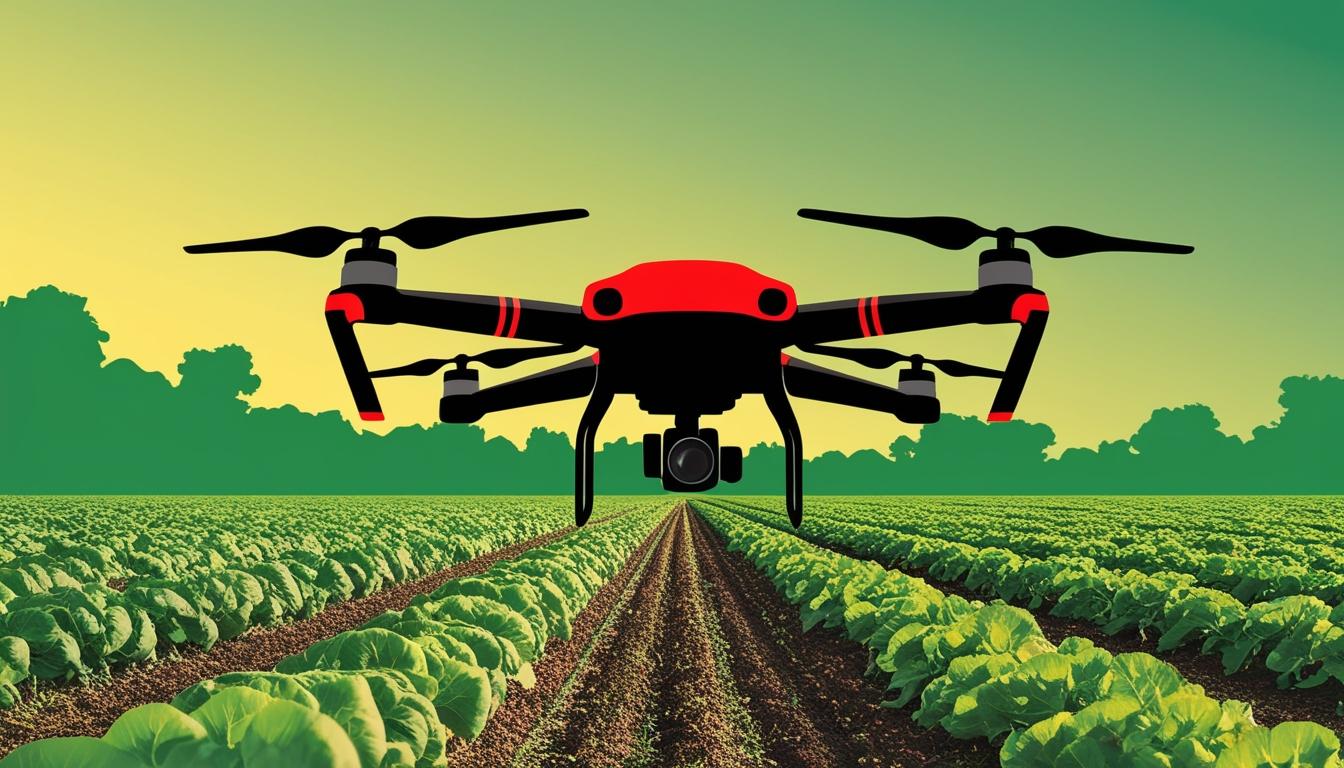
The integration of drones and artificial intelligence (AI) into various sectors marks a significant shift in modern business practices, particularly in agriculture and leadership dynamics. Both industries are experiencing transformative changes, driven by advancements in technology that promise to enhance operational efficiencies and strategic decision-making.
Drones have transcended their traditional roles, particularly within agriculture, where they are emerging as vital instruments amid a backdrop of climate change and the challenges of sustainable resource management. With the United States focusing on modern farming techniques, agricultural drones are equipped with innovative features such as multispectral imaging and data collection. These unmanned aerial vehicles (UAVs) enable farmers to closely monitor crop health, manage irrigation, and optimise yields. As agriculture faces mounting pressures from population growth and environmental factors, leveraging such technology allows for data-driven decisions that lead to improved productivity while also minimising environmental impacts.
Moreover, the potential of automation and AI within the realm of agricultural drones is expected to drive further advancements. Future iterations of these drones are anticipated to execute tasks like soil analysis and precise seed planting autonomously. Such capabilities are not only aimed at reducing labour costs but also at minimizing the use of chemicals and increasing land utilisation efficiency. Consequently, as American farmers adopt these technologies, they contribute to a robust agricultural sector capable of navigating the complexities of the 21st century.
The market is witnessing a substantial growth trajectory as the agricultural drone sector gains traction. Farmers are becoming increasingly aware of the benefits these technologies offer, including the enhancement of food production security. While the challenges of high initial investment costs, regulatory considerations, and the need for specialised training exist, the advantages of integrating drones into farming practices are becoming hard to overlook. The fusion of drone technology with other innovations such as Internet of Things (IoT) devices and blockchain presents opportunities for enhanced transparency and efficiency, thus reinforcing the role of drones in future-sustainable agriculture.
In tandem, the emergence of AI in leadership practices signifies a revolutionary shift in how businesses are managed. AI's integration extends beyond data analysis, playing a crucial role in reshaping leadership dynamics. With AI-powered data analytics, leaders can make objective decisions grounded in real-time information rather than relying solely on intuition. As advanced AI systems develop a capacity to understand patterns and project future trends, the roles of leaders transition from being primarily decision-makers to visionaries guiding initiatives with precision.
AI also holds the potential to enhance emotional intelligence within leadership frameworks. Recent advancements enable AI algorithms to assess emotional tones in communications, allowing leaders to proactively identify and address employee concerns. This technology aims to foster more inclusive and supportive work environments, thereby potentially enhancing workplace culture.
However, the integration of AI does present ethical and transparency challenges. The reliance on AI for decision-making raises concerns about the extent of its influence and possible diminishing human oversight. There is an ongoing discussion regarding the need for strict ethical guidelines to govern AI operations, ensuring accountability and trust among stakeholders.
Looking to the future, the AI leadership market is projected to expand significantly as more organisations seek data-driven strategic solutions. Analysts predict a notable adoption of AI technologies in leadership roles that align with the rise of flexible work models, where AI tools provide effective performance analytics and employee engagement strategies, regardless of physical location.
As both agricultural drones and AI-driven leadership continue to evolve, they indicate a broader trend towards smart, sustainable practices across industries. Companies and individuals within these sectors are poised to navigate a rapidly changing landscape, where technological advancements will facilitate enhanced decision-making, productivity, and sustainability.
Source: Noah Wire Services