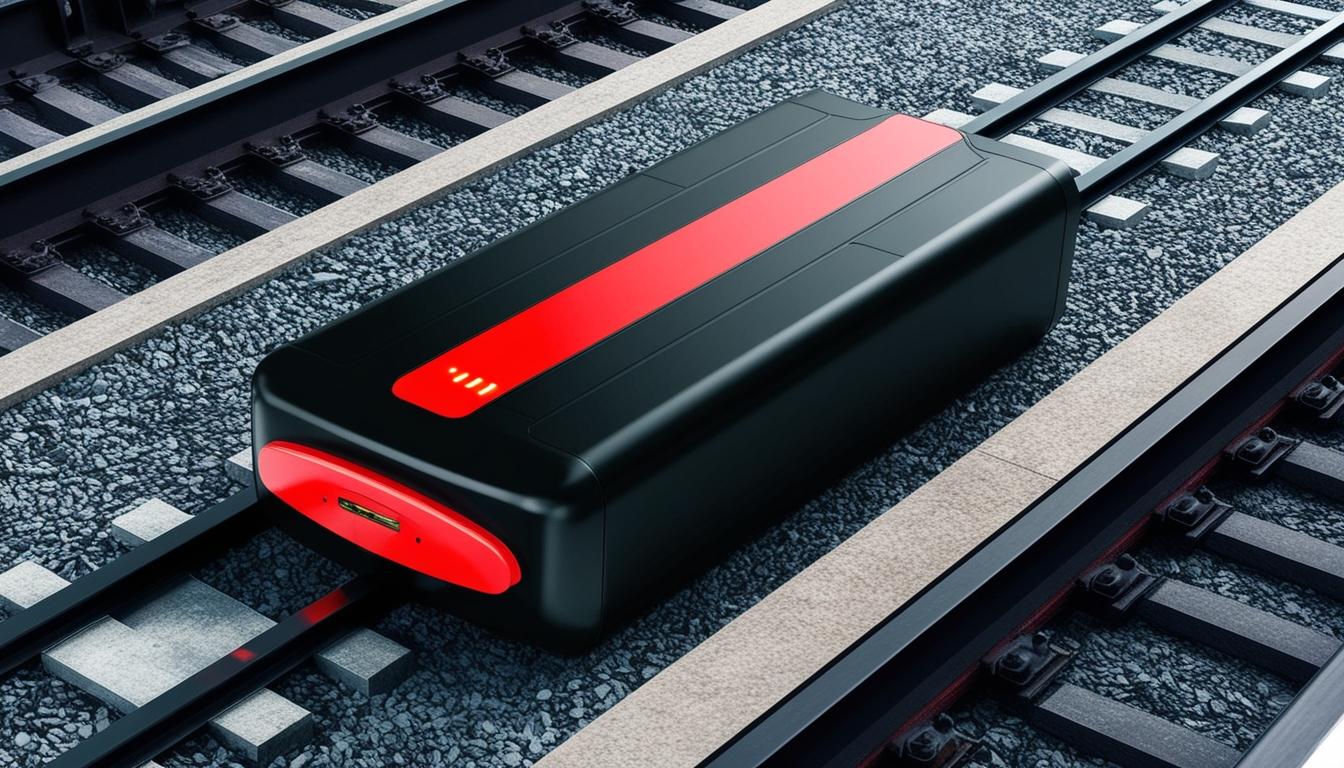
In a significant step towards the future of sustainable rail transport, Hitachi Rail has partnered with Innovate UK, the University of Birmingham, and DB ESG to develop next-generation battery technology for intercity and commuter trains. This collaboration aims to create battery packs that are smaller, lighter, and more powerful, contributing to lower carbon emissions and enhancing the inclusive design of rail vehicles.
The projects promise a remarkable 40% reduction in battery size while simultaneously increasing energy density by 22%, which is expected to lead to cost-effective and environmentally-friendly rail options. Hitachi Rail's initiative is indicative of a broader trend towards sustainable transportation and innovation in the UK.
The core of this technological advancement is based on Lithium Iron Phosphate (LFP) battery chemistry, which Hitachi Rail has integrated with the expertise of Sunderland-based Turntide Technologies. The compact battery design not only boosts performance but also resolves pivotal design challenges that modern trains face. Enhancements such as lower floors and level platform access significantly improve accessibility for passengers with limited mobility. Additionally, the reduced weight facilitates easier maintenance and retrofitting processes, enhancing overall operational efficiencies.
Hitachi Rail leverages its global experience in battery technology, drawing insights from previous successful projects, including Japan's first passenger battery train and the Masaccio hybrid train launched in Europe. These past initiatives serve as a framework for adapting technologies according to regional requirements, demonstrating the adaptability of innovative solutions in different contexts.
Another crucial part of the initiative is the advancement of battery solutions through digitisation. By employing data-driven tools, Hitachi Rail aims to improve battery utilisation, emissions management, and overall life-cycle management. This innovative approach paves the way for customisable services, such as offering "battery as a service," tailored to various customer needs.
DB ESG plays a vital role in this collaboration, specifically in developing the new battery enclosure that integrates essential elements like fire protection and cooling systems while managing electrical connections. Nick Goodhand, Managing Director at DB ESG, noted the complexities of the project, stating, “Lowering the floor has halved the available space, but our design optimisations have enabled the required power capacity to be achieved.” This reflects the collaborative effort to merge theoretical designs with practical applications effectively.
Academic input from the University of Birmingham is instrumental in refining and validating battery technology through advanced railway simulations. The Birmingham Centre for Railway Research and Education (BCRRE) focuses on aligning battery performance with the unique conditions of UK railways, specifically targeting non-electrified routes. Professor Pietro Tricoli, a lead researcher at BCRRE, highlighted the importance of their research programme in optimising battery use for improved railway functionality under varied operational scenarios.
The total investment for this innovative R&D undertaking stands at £1.4 million, underscoring the collaborative nature of public-private partnerships in advancing green technology. This funding facilitates the maintenance of the UK’s position as a leader in the burgeoning battery sector and signifies a commitment to sustainability and workforce development within the rail industry.
Commenting on the initiative, Koji Agatsuma, Chief Technology Officer of Vehicles at Hitachi Rail, emphasised the continuous quest for battery technology improvements by stating, “This continuous improvement means we are always working on the next generation of smaller and more powerful batteries to reduce costs on railways by negating electrification infrastructure spend or removing diesel engines entirely.”
Hitachi Rail's vision encompasses efforts beyond the UK. Plans are already in motion to introduce the EuroMasaccio battery hybrid train across Europe by 2026, reinforcing the company’s intention to spearhead the global transition to sustainable rail systems.
Through a blend of local innovation, academic collaboration, and a dedication to sustainability, Hitachi Rail is setting a new standard for the global rail industry. Their approach reflects the capabilities of integrating advanced technology with responsible practices, demonstrating a commitment to transforming modern transport into a more efficient and sustainable system.
Source: Noah Wire Services