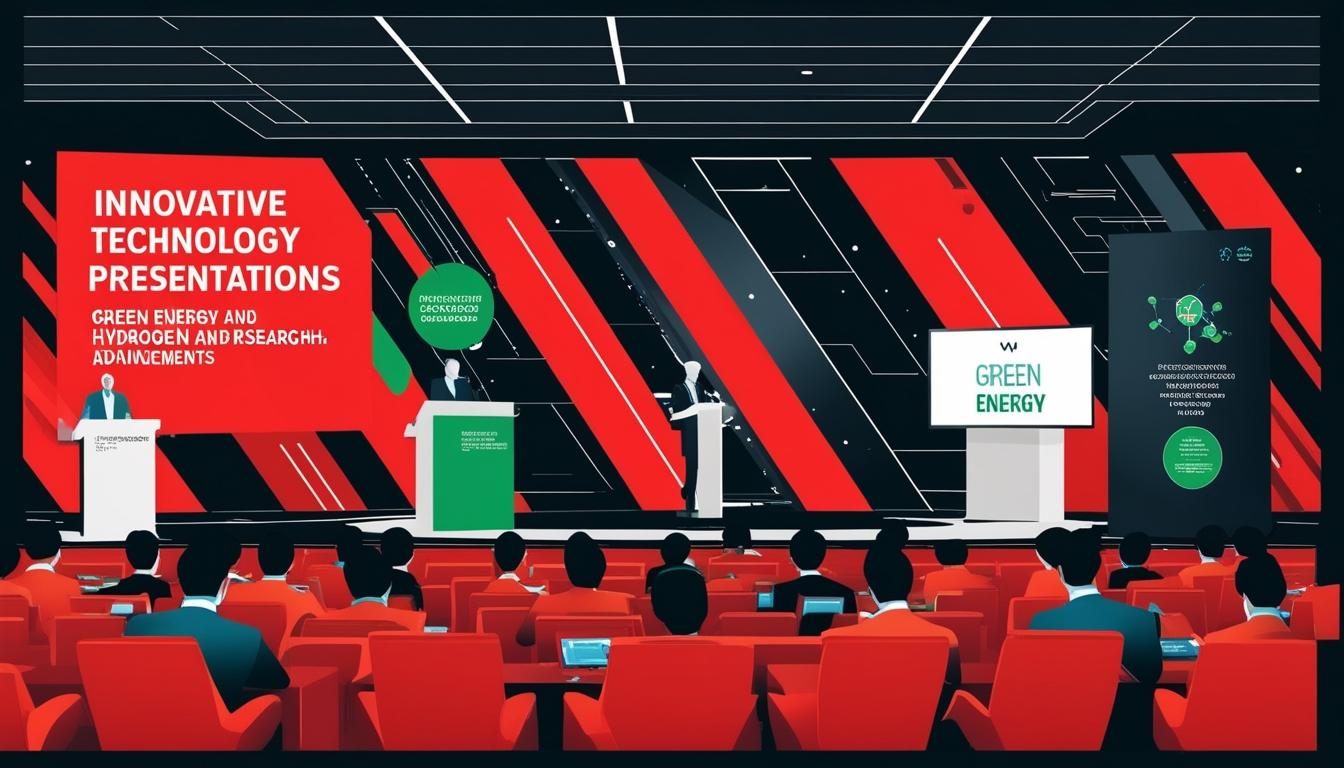
Over the last weekend, the Veermata Jijabai Technological Institute (VJTI) in collaboration with Mumbai University and the Institute of Chemical Technology (ICT) hosted an international conference focused on various advancements and challenges in technology. The event, titled the Advances in Thermal Systems, Materials, and Design Engineering (ATSMDE 2024), took place at a hotel in Bandra-Kurla Complex (BKC), Mumbai, and was inaugurated on December 27.
The conference highlighted a wide range of cutting-edge research topics including nuclear energy advancements, green-energy solutions, and innovative techniques for hydrogen production, transportation, and storage. Presentations were made by notable entities such as the Defence Research and Development Organisation (DRDO) and the Bhabha Atomic Research Centre (BARC), which underscored sustainable manufacturing practices and the latest designs in unmanned aerial vehicles (UAVs).
A focus of the discussions was on pressing issues related to green energy, carbon footprint reduction, and the potential for hydrogen as an energy source. The Indian Space Research Organisation’s (ISRO) Ahmedabad centre addressed the burgeoning interest in hydrogen fuel, particularly emphasizing the necessity of establishing safety measures for its transportation. In a statement regarding collaborations between leading institutes under the National Education Policy (NEP) 2020, Mumbai University's Vice-Chancellor Ravindra Kulkarni noted the importance of using research to develop solutions beneficial to society.
The ceremony featured prominent attendees, including VM Mohitkar, Director of the Directorate of Technical Education, BK Mishra, former director of CSIR and IIT-Goa, and Raman Singh from Monash University, Australia, alongside Sachin Kore, Director of VJTI, and NP Gulhane, the organizing secretary of the conference. Approximately 90 delegates from various global institutions—including BARC, DRDO, ISRO, NPCIL, IIT-Bombay, and several National Institutes of Technology (NITs)—were present at the event.
The primary objective of the conference was to foster vibrant discussions and collaborations aimed at addressing current technological and environmental challenges. Participants shared and exchanged innovative research ideas concerning the thermal domain, advanced materials, and improvements in existing systems. With a commitment to bringing forth tangible and measurable outcomes, the conference also provided a platform for young researchers to learn from ongoing research initiatives from around the world. Through these exchanges, VJTI aims to refine its future trajectory concerning research and development efforts in the field of technology.
Source: Noah Wire Services