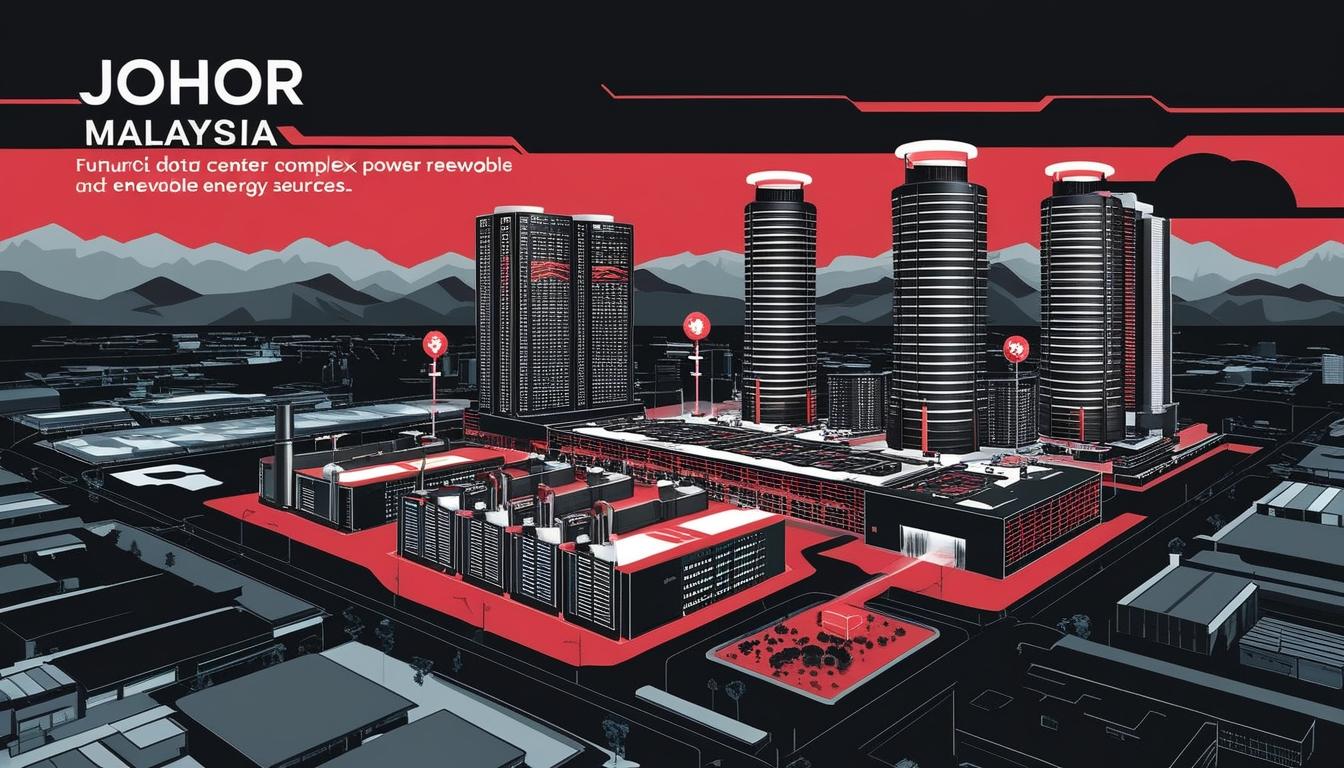
In a landscape shaped by surging demand for artificial intelligence (AI) infrastructure, Malaysia is fast becoming a central hub for data centres. The country's environment minister, Nik Nazmi Nik Ahmad, has announced that global tech companies should be prepared to pay a premium for access to essential resources such as energy and water in order to support their operations, particularly in the southern state of Johor, which shares a border with Singapore.
The announcement comes in the wake of significant investment commitments, exceeding $16 billion, from major tech players including Amazon, Nvidia, Google, Microsoft, and ByteDance, the parent company of TikTok. These investments are largely aimed at developing infrastructure to accommodate advanced technologies like AI and cloud computing, amidst ongoing concerns about resource sustainability.
Speaking with the Financial Times, Minister Nazmi noted that the Malaysian government is becoming "more selective" regarding which data centre projects to approve, due to the enormous pressure these facilities exert on the nation’s water and energy resources. He elaborated on the government's strategy by stating, "We don’t want just any data centre, but if it’s coming with AI or some other technology that’s a bit more cutting edge, then we will consider them." This reflects a conscious decision to attract high-tech investments while ensuring that environmental considerations are not overlooked. He also defined data as “the new oil of the 21st century,” indicating the importance of positioning Malaysia competitively within this lucrative sector.
Johor's appeal as a data centre venue has been bolstered by its access to relatively inexpensive land and labour, alongside geographical advantages given its closeness to Singapore. Nazmi indicated that operators must now consider paying more for reliable access to water and energy, an expense many are willing to bear for the opportunity to set up in Malaysia. This sentiment is echoed by Bryan Tan, a partner at the law firm Reed Smith, who pointed out that Johor's data centre potential is immense, with the area currently hosting 22 data centres and eight more under construction.
Looking ahead, Johor aims to increase its energy capacity to 2.7 gigawatts by 2027, anticipating the need to support a total of 90 data centres. Minister Nazmi highlighted the imperative of generating more clean energy to realise this goal. Malaysia's energy policy is evolving, with recent regulations permitting data centre operators to purchase energy directly from green power suppliers, potentially enhancing the country’s renewable energy framework. This measure is anticipated to foster a shift towards more sustainable practices in the tech sector.
In a broader context, Malaysia is committed to expanding its renewable energy targets, aiming for 70 per cent by 2050, up from the current 25 per cent. Efforts are underway to evaluate traditional renewable sources, including solar power and pumped hydro storage, as part of the strategy to meet this ambitious goal.
As the global debate over energy consumption intensifies, major tech firms are increasingly seeking to secure energy supply directly from producers or invest in their own energy-generating capabilities. Minister Nazmi also mentioned that Malaysia is reviewing its water tariffs and energy subsidies to ensure that large corporations are contributing their fair share towards the country’s resource management efforts. This careful balance between attracting investment and maintaining environmental sustainability continues to shape Malaysia's rapidly evolving data centre landscape.
Source: Noah Wire Services