At the 2025 Consumer Electronics Show (CES) in Las Vegas, Samsung has made headlines with the announcement of its home robot, Ballie, set to be commercially available in the United States later this year. This development marks a significant evolution for a concept that first gained attention at CES 2020.
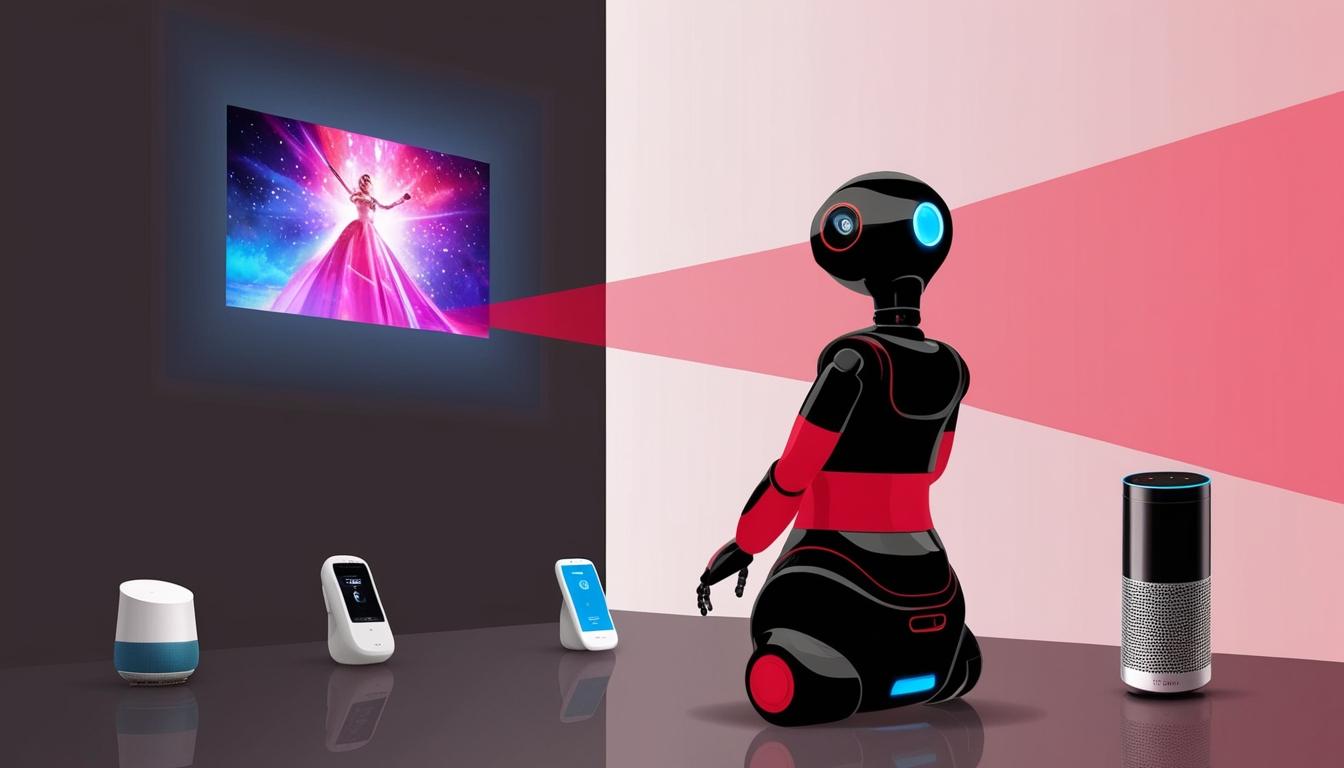
Ballie is designed as a versatile home companion, equipped with innovative features including a built-in projector capable of streaming content onto various surfaces. During demonstrations at CES, the robot showcased its ability to provide information about attractions in Las Vegas, manipulate smart home devices like lights via voice commands, and even project films such as Uncharted onto nearby walls. The device responds to commands such as "make the screen bigger," prompting it to locate larger surfaces for projecting images.
Incorporating advanced interaction mechanisms, Ballie is not limited to voice commands; it also recognises users' foot presses on a virtual button to execute tasks, enhancing the user experience. Equipped with an array of cameras and sensors, Ballie can engage in interactive discussions, such as asking follow-up questions when presented with options, ultimately providing tailored recommendations, for instance, suggesting wine pairings with meals.
As of now, detailed pricing and a specific release timeframe for Ballie have not been disclosed. Nevertheless, given the interest surrounding home robotics, the anticipation builds. Samsung's initiative enters a competitive landscape, where companies like Amazon and LG have also ventured into the realm of domestic robots. Amazon's Astro, powered by Alexa, has been available but only to selected invitees at a cost of $1,600. Meanwhile, LG has previously demonstrated home robot concepts, although their availability remains uncertain.
The market landscape may be further influenced by Apple's reported interest in smart home technology, with speculation of new product announcements rumoured for March. The advancements in AI automation for businesses, exemplified by products like Ballie, signal a growing trend in integrating robotics into everyday life, promising changes to business practices and customer engagement within the home automation sector. As these technologies develop, they hold the potential to reshape the dynamics of consumer interaction with their environments.
Source: Noah Wire Services