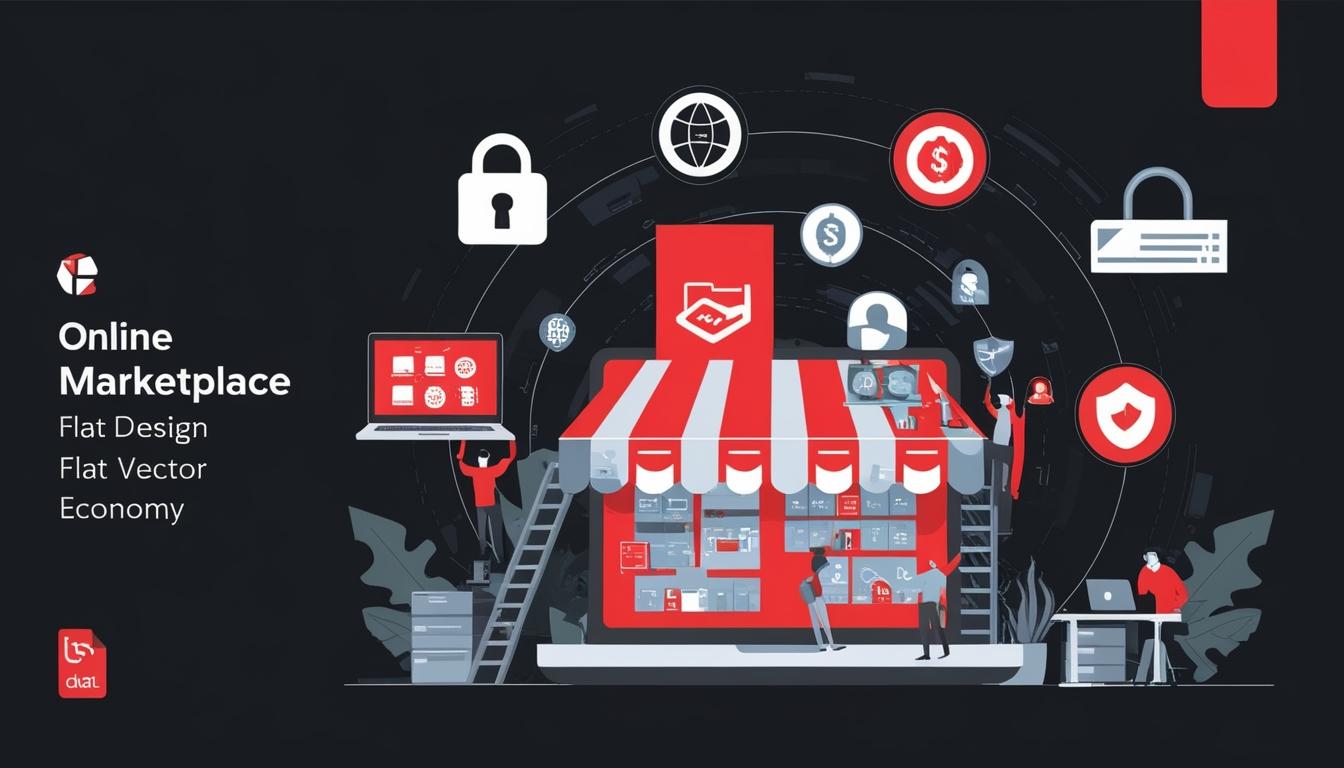
In a rapidly evolving digital landscape, online marketplaces are positioning themselves as pivotal platforms for small e-commerce businesses seeking growth and operational efficiency. According to projections, online marketplace sales are expected to reach an impressive $3.832 trillion by 2024, highlighting an essential opportunity for smaller enterprises to maximise their profits and gain market share.
A recent report from Security Boulevard underscores how small businesses can leverage these marketplaces rather than compete against larger giants like Amazon and Taobao. With nearly 70% of small business owners acknowledging that their sales have surged through online marketplaces, the advantages of such platforms are becoming increasingly evident.
One of the primary benefits highlighted in the report is the accelerated growth potential that a marketplace offers. These platforms eliminate the need for additional technical infrastructure, allowing businesses to sell products more efficiently. This can lead to substantial savings, as evidenced by research from the Connected Commerce Council which suggests that small businesses using online marketplaces save an average of $20,000 annually. These savings stem from various sources, including the reduced need for customer service systems and streamlined payment processing.
As businesses scale, their strategies often shift as well. The article notes the importance for businesses to align with vendors like Shopify to enhance their offerings while still keeping an eye on operational costs. Due to the financial constraints often faced by small e-commerce operators, understanding and evaluating the cost structures of various services is essential.
Moreover, the comprehensive data analysis capabilities provided by online marketplaces afford small businesses access to market insights and performance metrics often unavailable through independent e-commerce solutions. Sellers on platforms such as G2A.COM benefit from detailed reports on sales performance, customer behaviour, and competitive pricing, which assist in fine-tuning marketing strategies and identifying growth opportunities.
The enhanced customer reach offered by online marketplaces brings another significant advantage. With millions of visitors accessing these platforms daily, small businesses can achieve visibility that would be challenging to replicate through standalone e-commerce sites. G2A.COM, for instance, provides promotional tools that allow sellers to track their advertising return on investment and obtain premium placement for best-selling products, thereby maximising exposure to potential customers.
However, amidst these operational benefits, security remains a critical concern. Small e-commerce businesses are increasingly recognising the cybersecurity advantages of partnering with established online marketplaces. These platforms have invested in robust cyber infrastructures powered by artificial intelligence, which serve as proactive defenses against cyberthreats. The AI systems monitor user behaviours, learn from past incidents, and adapt their defensive measures accordingly, providing real-time insights to sellers.
Additionally, marketplaces offer a suite of cybersecurity tools that help to mitigate risks for both sellers and customers. For example, penetration testing and threat intelligence services proactively monitor vulnerabilities and global cyberattack trends. G2A’s internal cyber defence team works tirelessly to enhance these measures, contributing to a significantly lower fraud rate in comparison to global averages.
Education also plays a crucial role in fortifying business operations against cyber risks. The report notes that approximately 50% of small business owners feel their employees lack proper cybersecurity training, which can lead to mishandling sensitive information and increased vulnerability to phishing scams. By utilising the educational resources provided by online marketplaces, businesses can enhance their cybersecurity readiness and protect their interests more effectively.
In conclusion, the benefits of engaging with online marketplaces are manifold for small e-commerce ventures. From reduced operational costs and enhanced data analytics to broader customer reach and improved security protocols, these platforms offer a comprehensive ecosystem designed to facilitate growth and resilience in a competitive landscape. With the increasing trend towards online sales and digital commerce, small businesses have the opportunity to thrive by strategically partnering with these giant marketplaces.
Source: Noah Wire Services