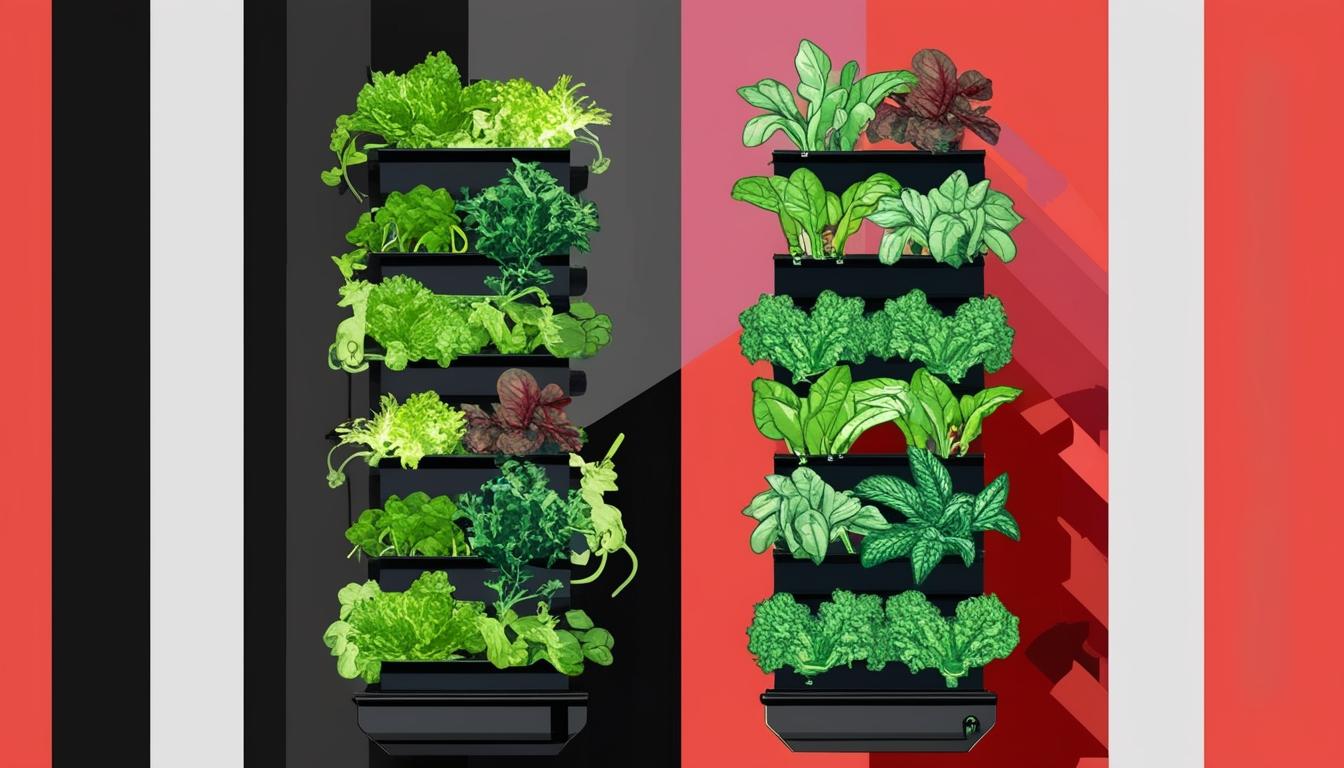
As urban populations grow and traditional farmlands shrink, the agricultural landscape is evolving with innovative soilless farming techniques that promise to reshape how food is produced and consumed. Increasingly, methodologies such as hydroponics, aquaponics, and aeroponics are proving to be not only sustainable alternatives but also viable commercial models for both individual households and businesses.
Hydroponics, where crops are grown in nutrient-rich water instead of soil, is gaining significant popularity among urban dwellers keen on maximising yield from limited space. With the ability to stack crop beds vertically, hydroponic systems are reported to increase yield significantly compared to traditional farming methods. Notably, these systems consume up to ten times less water than conventional agriculture, sparing farmers the substantial irrigation costs associated with soil-based methods. Many individuals have begun setting up small hydroponic units at home, allowing them to produce fresh vegetables, free from harmful pesticides, and substantially reduce their environmental footprint.
Meanwhile, aquaponics—a system that combines fish farming with plant cultivation—takes sustainability one step further. This method utilises a natural ecosystem to recycle nutrients and manage waste efficiently. Fish, commonly tilapia, are raised in tanks, and their waste is converted into nutrients for plants through natural bacterial actions. Aquaponic setups have an impressive capacity to use up to 90% less water than traditional farming and two-thirds less than hydroponics, making them an appealing option for eco-conscious urban farmers.
Aeroponics, an evolution of hydroponics, uses a mist environment to nourish plant roots suspended in the air, showcasing another leap in soilless agricultural techniques. Aeroponic systems typically employ vertical towers that facilitate the efficient use of space, making them suitable for urban homes and communities looking to grow fresh produce. This method not only conserves water but also heightens yield effectiveness, catering to the rising demand for clean and nutritious food options.
The urban farming trend is not confined to individual households; many restaurants are now embracing this movement in support of the farm-to-table philosophy. With indoor farms sprouting in urban environments, fresh produce is delivered straight to restaurants within hours of harvesting. Erik Oberholtzer, co-founder and CEO of Tender Greens, remarked, “I envision a network of farmers, distributors, and restaurants... Such an ecosystem will transform communities and create jobs by reactivating long-unused dormant mill spaces in urban areas.” This allows for a consistent supply of seasonal produce, free from the uncertainties of climate and pest infestations.
These emerging trends in alternative farming methods reflect a significant shift in consumer preferences towards healthier, pesticide-free food options. The opportunity presented by urban farming not only addresses food scarcity but also transforms how communities engage with food production, challenging traditional agricultural paradigms. As technology advances and the methods of food production evolve, the growing acceptance and enthusiasm for hydroponics, aquaponics, and aeroponics suggest these practices will continue to flourish in the future.
Source: Noah Wire Services