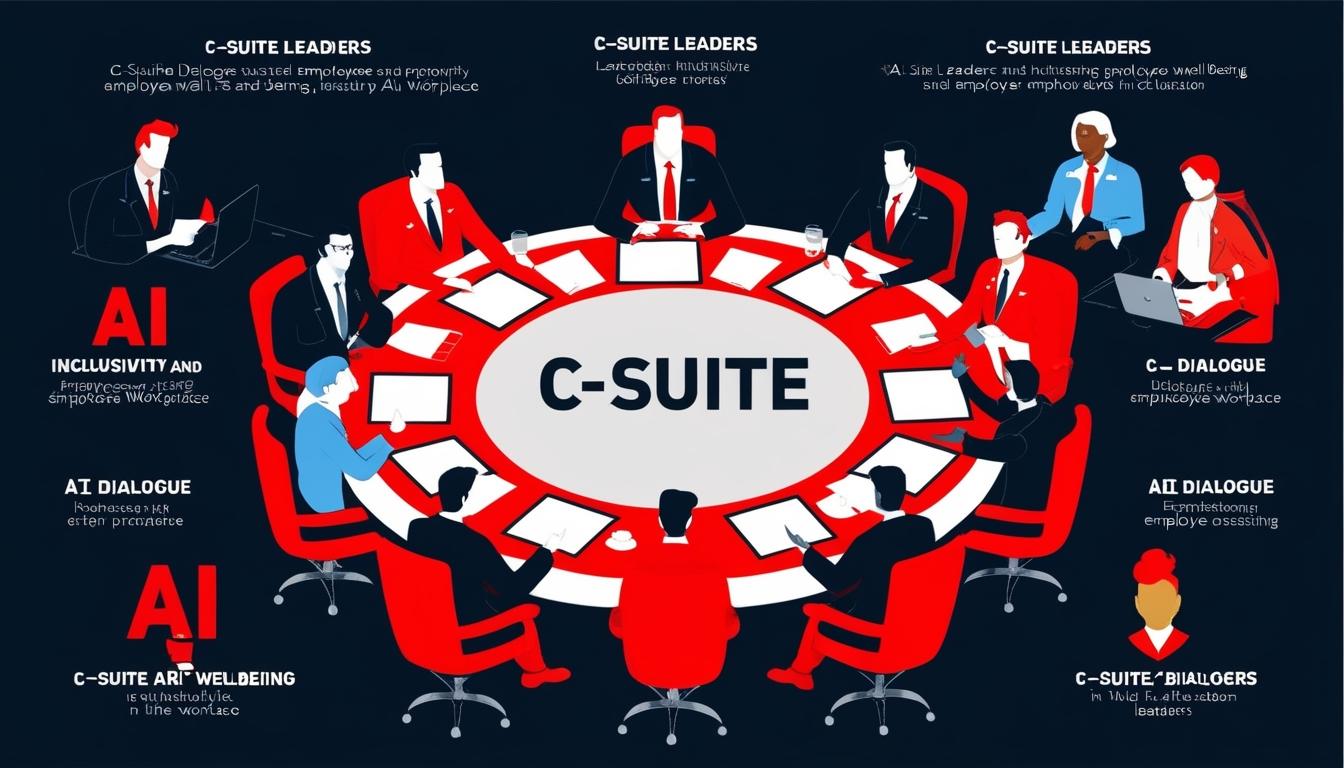
The workplace landscape has undergone significant transformations in recent years, largely accelerated by advances in technology. One of the most prominent trends is the rise of generative artificial intelligence (AI), which is reshaping business practices and challenging traditional leadership models. As companies navigate this rapid change, the need for leaders to adapt and respond effectively has never been more critical.
Since the onset of the COVID-19 pandemic, businesses have faced a myriad of challenges that have altered not only their operations but also their leadership approaches. Many leaders are now compelled to reconsider their strategies in light of the technological evolution that has occurred. With AI adoption increasingly prevalent among competitors and suppliers, business leaders must now grapple with key questions surrounding efficiency and the ethical implications of AI integration.
Mary T. O'Sullivan, a contributing writer for RI News Today, highlights insights from a recent Business Insider workforce roundtable that emphasised the evolving nature of apprenticeships. According to the roundtable, apprenticeships are transitioning into a more reciprocal model where knowledge sharing is paramount. This shift reflects a broader generational change, wherein younger workers bring fresh perspectives on technology and inclusivity into the workplace.
Kenon Chen, executive vice president of strategy and growth at Clear Capital, pointed out that generative AI is streamlining communication within organisations. He noted, "What gen AI is leading us to is a world in which we don’t need so many translators... When you have all these translators, it’s like the telephone game." This reduction in communication layers suggests a more direct pathway from initial concepts to execution, potentially enhancing productivity.
Additionally, the importance of employee well-being has gained prominence, particularly as the issue of "loneliness" has surfaced as a national health concern in the United States. With a diverse and global workforce, prioritising inclusiveness and mental health is crucial for business success. Shane Koller, senior vice president and chief people officer at Ancestry, remarked on the need to understand employee connections: "we’re trying to understand a more holistic view of worker well-being."
As businesses explore the intersection of AI implementation and employee welfare, the commitment of C-Suite executives to support both structures becomes vital. Lucrecia Borgonovo, chief talent and organisational-effectiveness officer at Mastercard, shared insights on the necessity for employees to embrace AI for their own benefit, stating, "The key to unlocking the potential of AI is to make sure that our employees are embracing it and are excited about the value these new technologies can have on their well-being."
Discussions among executives regarding the future of work highlighted worker well-being and AI as a primary concern for 2025. While AI presents various opportunities, it also poses challenges to employee satisfaction, necessitating a delicate balance between technological advancements and retaining a sense of value among workers.
The ongoing transformation of the C-Suite is not merely about adopting AI but rather about cultivating an environment conducive to engagement and well-being. As asserted by Business Insider, "At the inflection point is the enormous job companies have to not only encourage AI adoption but also equip employees with what they need to take part in the transformation that is underway."
As these trends in AI automation evolve, their implications for business practices and leadership will continue to unfold, pushing organisations towards innovative and inclusive future working models.
Source: Noah Wire Services