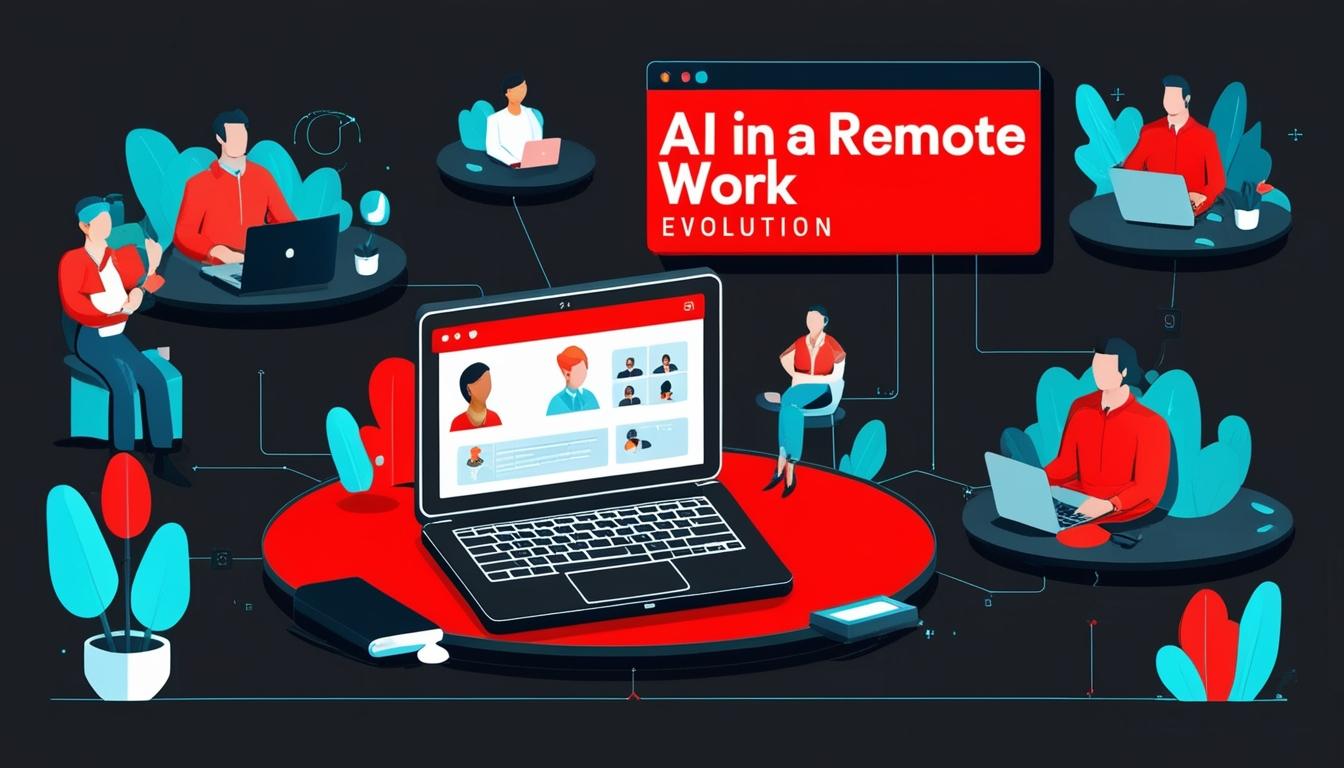
As the landscape of work continues to evolve, a significant discourse is emerging around the role of artificial intelligence (AI) and automation in the business sector. With trends suggesting a shift towards increased reliance on these technologies, companies are revisiting traditional work models, particularly in light of the ongoing debate surrounding remote work and office presence.
Recent discussions have highlighted a paradigm shift encapsulated in the contrasting views of employers towards the future of work. Much of this scrutiny comes as businesses grapple with the ostensibly dual principles of productivity and team cohesion, with some leadership figures advocating for a return to pre-pandemic office cultures to ostensibly restore a sense of normalcy. This pushback against remote work practices has been theorised as a move steeped more in control and mistrust than in verified business efficiency.
Proponents of remote work, however, argue that emerging technologies have effectively transformed traditional workplace paradigms. The argument posits that not only is remote work viable, but it may also enhance productivity due to the reduction of commuting time and an ability to work in conducive environments. This sentiment is echoed by individuals who have long championed flexible working arrangements.
The argument for maintaining remote work practices highlights several key facets. With technology enabling seamless communication and collaboration from any location, the notion that physical presence is essential for productivity is increasingly being called into question. The emerging view is that outdated models, which insist on having employees present in a physical office, may hinder rather than help overall productivity. It raises pertinent questions surrounding why businesses would opt for such arrangements when historical data from recent years demonstrates that remote work often leads to increased output and engagement among employees.
Moreover, the concept of team spirit has come under similar scrutiny. There is a growing recognition that camaraderie and teamwork can blossom in digital spaces just as surely as they can in physical ones. Enhanced methods of communication, when bolstered by the right technology, enable teams to connect and collaborate effectively, regardless of physical proximity.
Concerns about trust and managerial oversight also feature prominently in this discourse. Skeptics of remote working arrangements posit an anxiety about how to manage and monitor productivity from afar. However, critics of this viewpoint argue that if businesses operate under a model that inherently distrusts employees, there are deeper issues at play regarding company culture and employee selection processes.
As businesses navigate these technological advancements and changes in work culture, numerous industry experts believe that the integration of AI and automation can further reshape the landscape. The potential for enhanced efficiency and innovation prompts many to advocate for a flexible approach that embraces both remote capabilities and organisational dynamics tailored to contemporary needs.
Insights suggest that the quest for maintaining a loyal and effective workforce in this era may hinge on companies adopting a more versatile operational framework. Rather than viewing office presence as a necessity, the emphasis is shifting towards valuing outcomes and results over mere physical attendance.
In summary, as organisations continue to explore the implications of AI and automation in the workplace, the ongoing conversation around remote work remains a pivotal issue. The trend towards flexibility suggests a departure from archaic business models, encouraging leaders to think critically about their approaches to workforce management. Future-oriented companies may find that embracing this evolution could not only enhance their operational efficiency but also attract a diverse pool of talent eager to perform at their best in environments that suit them.
Source: Noah Wire Services