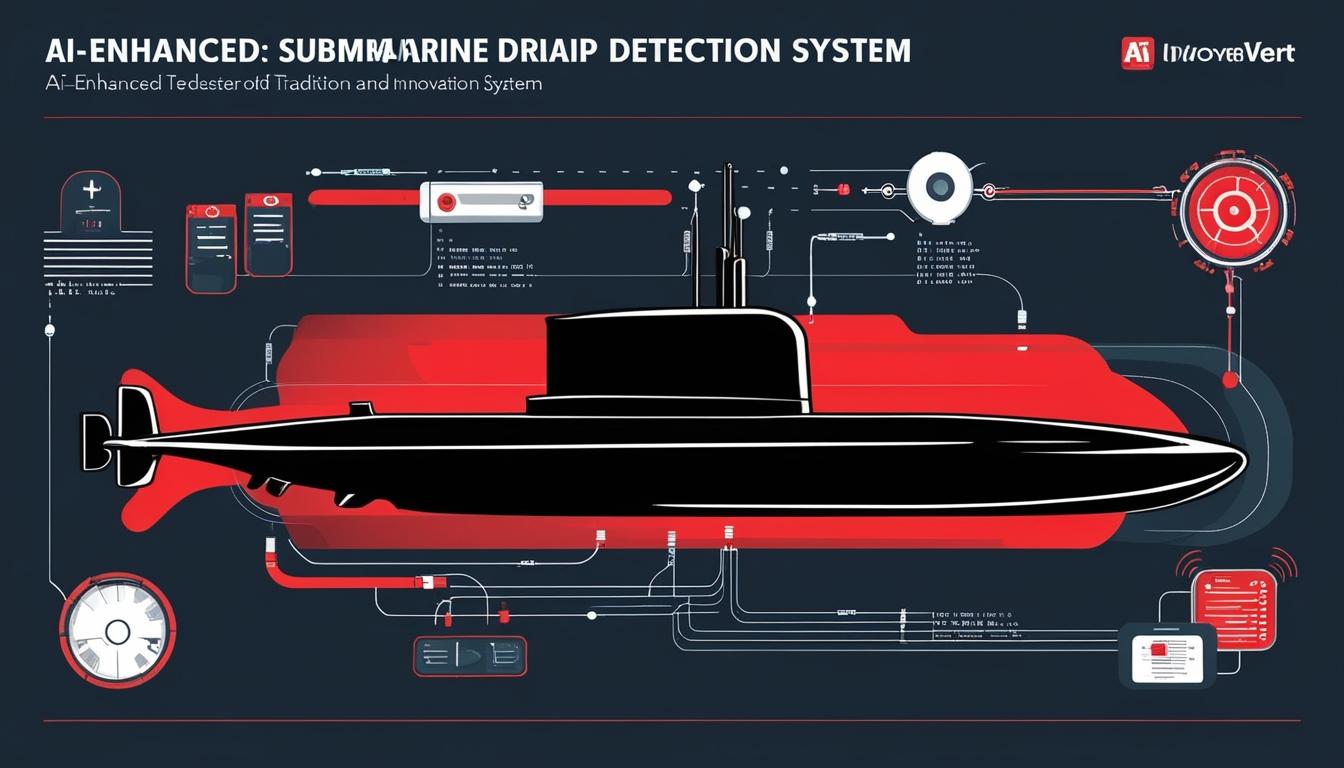
The integration of artificial intelligence (AI) in military technologies is poised to significantly alter the landscape of naval warfare, particularly concerning the capabilities of nuclear stealth attack submarines. An analysis presented jointly by Foreign Policy and IEEE Spectrum highlights how the enhancements in sensor technology and data analytics driven by AI may threaten the operational effectiveness of subs such as those in the Virginia-class.
With the capability to process vast quantities of data from advanced networked sensors, AI systems are outpacing human operators in their ability to detect and interpret subtle environmental changes. Quantum sensors, underwater surveillance arrays, and satellite-based imaging systems are now capable of gathering intricate environmental data. As the article notes, AI algorithms can identify minor anomalies that may be indicative of submarine activity, including disturbances in water patterns. "AI can process far more data from far more sensors than human operators can ever achieve," states the piece published by Tech Radar.
Historically, nuclear submarines have been designed to remain undetected in hostile waters, employing a range of sophisticated engineering techniques to minimise their signature. Features like noise-dampening tiles and vibration-reducing materials are standard on these advanced vessels. However, the improvements in computational performance and the ubiquitous presence of passive sensors have bolstered detection systems, leading to a more transparent maritime environment. The article conveys that "the increasing reach and resolution of these detection systems" pose a substantial challenge to traditional stealth strategies.
The concept of a "game of cat-and-mouse" is underscored, highlighting the ongoing efforts to devise countermeasures against AI-enhanced detection systems. While new AI-driven capabilities complicate stealth operations, military strategists are developing tactics to counteract these advancements. These methods include noise-camouflaging techniques that imitate natural marine sounds, the deployment of uncrewed underwater vehicles (UUVs) for distraction, and cyberattacks aimed at undermining the reliability of AI algorithms. Such countermeasures are intended to overwhelm and confuse detection systems, thereby maintaining a degree of stealth.
The evolving capabilities of AI technology compel nations to consider the future viability of their naval assets. As AI systems become more entrenched in surveillance and reconnaissance, the once-prominent advantages of nuclear stealth submarines may begin to diminish. The article indicates that while countermeasures may provide temporary solutions, the enduring rise of passive sensor technologies and AI analytics suggests an inevitable obsolescence in traditional submarine stealth tactics.
As military powers adapt to these challenges, the discourse surrounding the balance of investment in nuclear submarines against their effectiveness will continue to be pivotal. The complexities introduced by AI advancements are reflective of a broader trend in defence technology, necessitating a reevaluation of existing strategies in the face of ever-evolving threats and counter-threats.
Source: Noah Wire Services