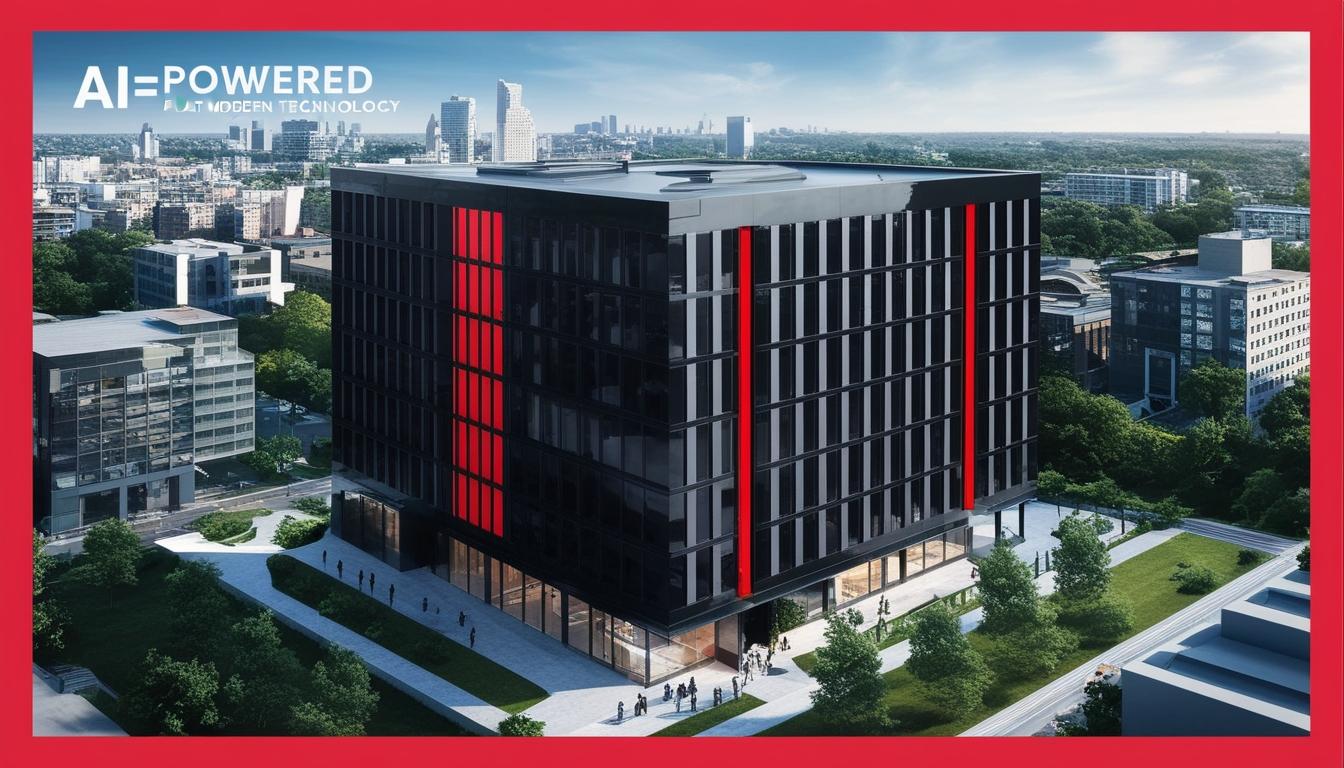
As the focus on sustainability intensifies within the real estate sector, the role of artificial intelligence (AI) is becoming increasingly vital in driving the decarbonisation of buildings. Katrina Christopoulos, Head of Environmental, Social, and Governance (ESG) at Cloud, recently outlined the potential impact of AI on energy efficiency and sustainability strategies at the Sustainability Live event held in London in September.
Christopoulos noted that buildings contribute significantly to carbon emissions, not only through their initial construction but also during their ongoing operations. She observed that while many companies have adopted carbon reduction plans and standardised reporting practices, the methods—specifically the practical solutions available—are often not sufficiently detailed. “What was lacking, in my opinion, was the how,” she said, indicating a deficit in tangible strategies despite a plethora of ideas surrounding sustainability.
Particularly in the built environment, addressing the challenges of decarbonising existing structures necessitates a deep understanding of their operational intricacies. Christopoulos stressed the importance of leveraging existing solutions rather than waiting for future technologies to emerge. “Decarbonising our current building stock is a complex challenge,” she explained, emphasising the need for optimising energy use based on keen insights about each building's performance and the management of its assets.
Christopoulos highlighted an innovative approach through Cloud's Mindsett technology, which provides granular insights into energy consumption, enabling the identification of maintenance needs before failures occur. This predictive maintenance strategy reduces unnecessary site visits, thereby saving carbon emissions not only through direct energy reductions but also by minimising transportation emissions associated with engineers’ travel.
A critical aspect of effective decarbonisation efforts is the integration of AI systems that can analyse extensive datasets ranging from leasing information to operational costs and market conditions. AI has the capability to inform strategic decisions across entire real estate portfolios by making recommendations on which properties should be prioritised for retrofitting or which ones may be more beneficial to sell.
Furthermore, Christopoulos pointed to the significant role of AI in the retrofitting process itself. AI models can assess the current state of a building and develop optimal retrofit strategies, including improvements in insulation, energy-efficient window installations, and upgrades to heating, ventilation, and air conditioning (HVAC) systems. This data-driven approach enhances the efficiency and effectiveness of decarbonisation initiatives across portfolios, rather than just isolated buildings.
However, the integration of AI technologies presents challenges, particularly within older buildings where existing management systems may not be compatible with modern digital solutions. The potential issues surrounding data privacy and security must also be carefully considered and managed.
Additionally, for AI tools to be utilised effectively, training for building managers and occupants is crucial. Understanding how to interpret the recommendations produced by AI will ensure that properties achieve their intended efficiency goals.
As AI technology continues to mature, its capability to reduce carbon footprints while enhancing financial returns on sustainability investments presents an increasingly viable path forward for businesses in the real estate sector. The ongoing advances in AI will likely play a crucial role in shaping a more sustainable environment, as organisations strive to meet their decarbonisation ambitions and respond to growing pressure to mitigate climate change impacts.
Source: Noah Wire Services