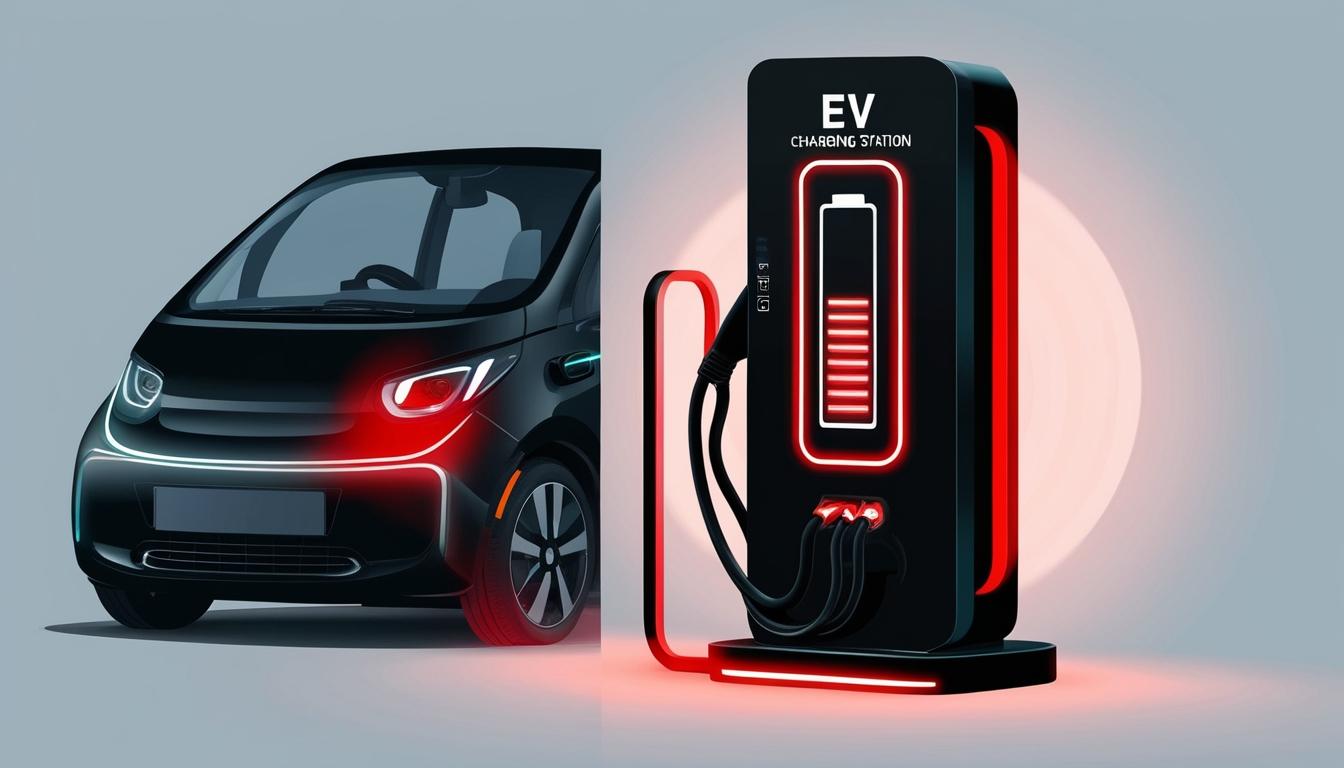
The electric vehicle (EV) industry is experiencing a significant transformation, driven by advancements in charging technologies designed to enhance efficiency, reduce downtime, and promote sustainability. As the popularity of EVs continues to grow, the demand for faster charging solutions has led to the emergence of ultra-fast charging stations, which are at the forefront of revolutionising the way drivers power their vehicles.
Ultra-fast charging stations leverage advanced conductive and wireless technologies that can replenish an EV's battery in a matter of minutes. This innovation drastically minimises the time required for charging, offering a practical alternative to traditional refuelling methods associated with gasoline vehicles. The immediate benefits to consumers include convenience, making electric transportation increasingly appealing to a broader audience.
A notable breakthrough in the field is the development of solid-state batteries. These batteries utilise a solid electrolyte in place of the traditional liquid electrolyte found in lithium-ion batteries. This technology promises to significantly cut down on charging times while also enhancing the energy density of EV batteries. As a result, vehicles equipped with solid-state batteries could not only extend their range but also facilitate ultra-fast charging capabilities, aligning the EV experience more closely with that of conventional vehicles.
In addition to these developments, the rise of bidirectional charging systems is reshaping energy management within the EV sector. These systems allow vehicles to connect back to the grid, enabling them to return electricity during peak demand periods. This capability effectively turns EVs into mobile energy storage units, providing a backup power source for homes and contributing to energy distribution strategies. As bidirectional charging systems gain traction, they are expected to play a fundamental role in the evolution of smart grids, optimising energy flow and enhancing the overall management of electrical resources.
Considering the need for robust infrastructure to support these advancements, governments and corporations across the globe are making substantial investments. The development of ultra-fast charging networks that integrate renewable energy sources is essential to facilitate these new technologies and encourage widespread adoption. By expanding access to efficient charging solutions, stakeholders aim to create a sustainable transport ecosystem that prioritises environmentally friendly practices.
Sustainability remains a core focus, as innovations in EV charging technology have broader implications for reducing reliance on fossil fuels. The increasing integration of renewable energy into the charging infrastructure reflects a commitment to crafting a greener future. Such advancements are poised to not only influence consumer choices regarding EV models but also affect market dynamics significantly.
As solid-state battery technology matures and ultra-fast charging networks become commonplace, the electric vehicle market may see a notable uptick in sales. Industry forecasts predict that accessible and efficient charging options will increasingly become deciding factors for consumers when selecting their next vehicle.
Ongoing developments within the electric vehicle sector promise to create a more efficient and sustainable transportation landscape, ultimately benefiting both consumers and the environment.
Source: Noah Wire Services