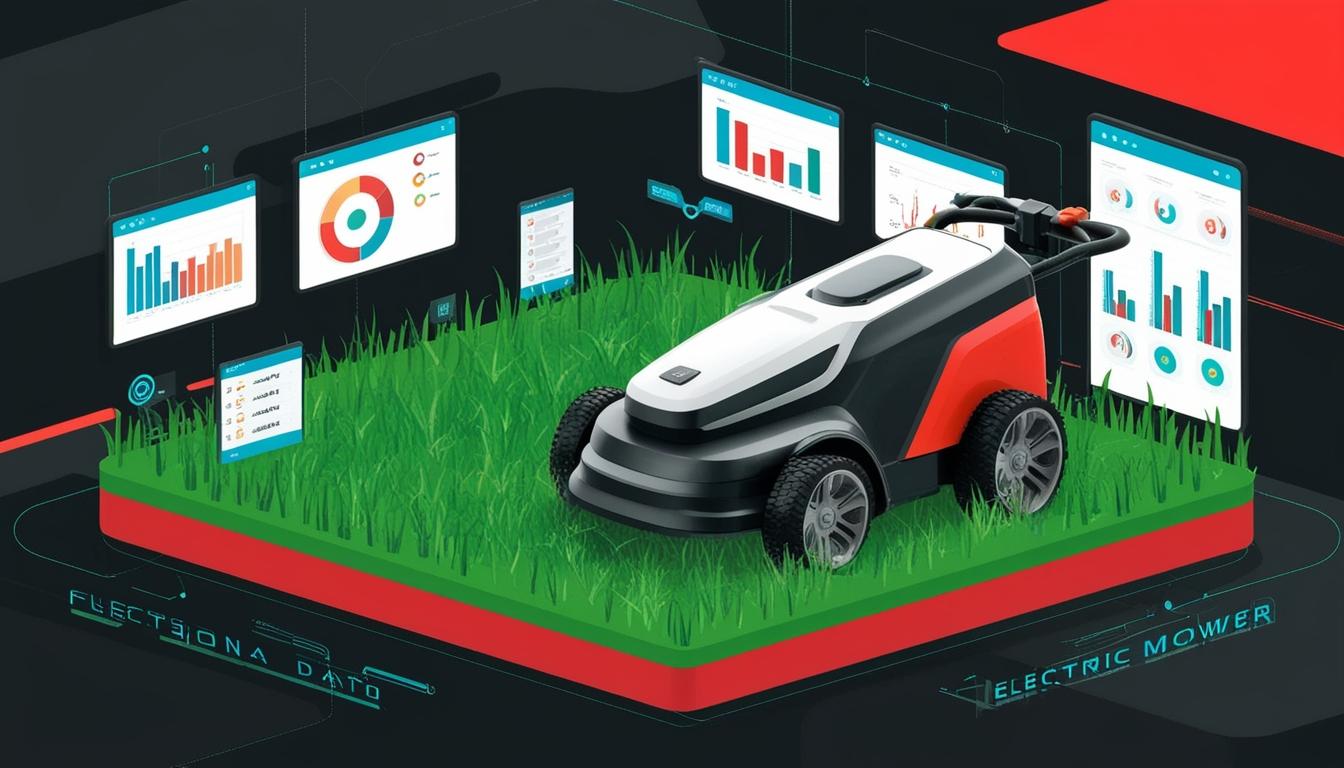
Grounds management is on the brink of significant transformation, as industry leaders discuss emerging trends and technologies projected to shape the sector by 2025. Advances in equipment and data analytics are reshaping operations at institutional and commercial facilities, reflecting a notable shift towards automation and sustainability.
Electric-powered machinery, including mowers and utility vehicles, is now becoming increasingly prevalent. The integration of autonomous mowers is gaining traction, offering a glimpse into the future of maintenance with less manual intervention. Additionally, grounds managers are utilising enhanced data capabilities, which enable better decision-making regarding irrigation and maintenance practices, aligning with broader sustainability goals.
Three key figures in grounds management provided insights into these changes: Matt Bailey, landscape services manager at Michigan State University; Paul Cushing, agronomist and sports field specialist at PC Turf Pro consulting service; and Shane Richards, landscape operations and maintenance manager at Utah State University.
In a discussion on the new technologies entering the mainstream, Bailey highlighted advancements that are poised to "change the game for grounds management." He emphasized the rise of sophisticated GPS units that can track equipment usage with precision, aiding in both operational efficiency and safety.
Richards informed that smart irrigation systems are essential tools that are likely to become standard across the industry. His organisation transitioned to a smart irrigation setup over the past eight years, particularly in response to a drought in 2021, which prompted significant water conservation efforts. He noted that the implementation of these systems led to a 40 per cent decrease in water usage. Furthermore, he mentioned the dual use of electric and autonomous mowers on campuses. The quiet operation of electric models reduces noise pollution, which is beneficial for educational environments.
Robotic field painters are highlighted by Cushing as an increasingly popular choice among school districts, primarily due to the labour efficiencies they offer. While the initial cost of approximately $20,000 to $30,000 may seem steep, he anticipates that as prices decrease, adoption will rise, particularly in youth sports fields. He further remarked that in California, smart irrigation controllers are widespread, with 80 to 90 per cent of schools employing these systems as mandated by state regulations.
The increasing use of data analytics and sensor technologies was also discussed in depth. Richards articulated the importance of quantifying operations, stating, "the universal language is numbers." He detailed how his team tracks various metrics, including water usage and maintenance costs, to persuade stakeholders about the value of new investments. Similarly, Bailey supports this notion, noting that his organisation utilises GPS units on fleet equipment to facilitate preventive maintenance, thereby reducing unplanned downtime.
These insights from leading grounds management professionals illustrate an industry poised for innovation through the adoption of automated technology and data-driven decision-making, promising a more efficient and sustainable future in grounds maintenance operations.
Source: Noah Wire Services