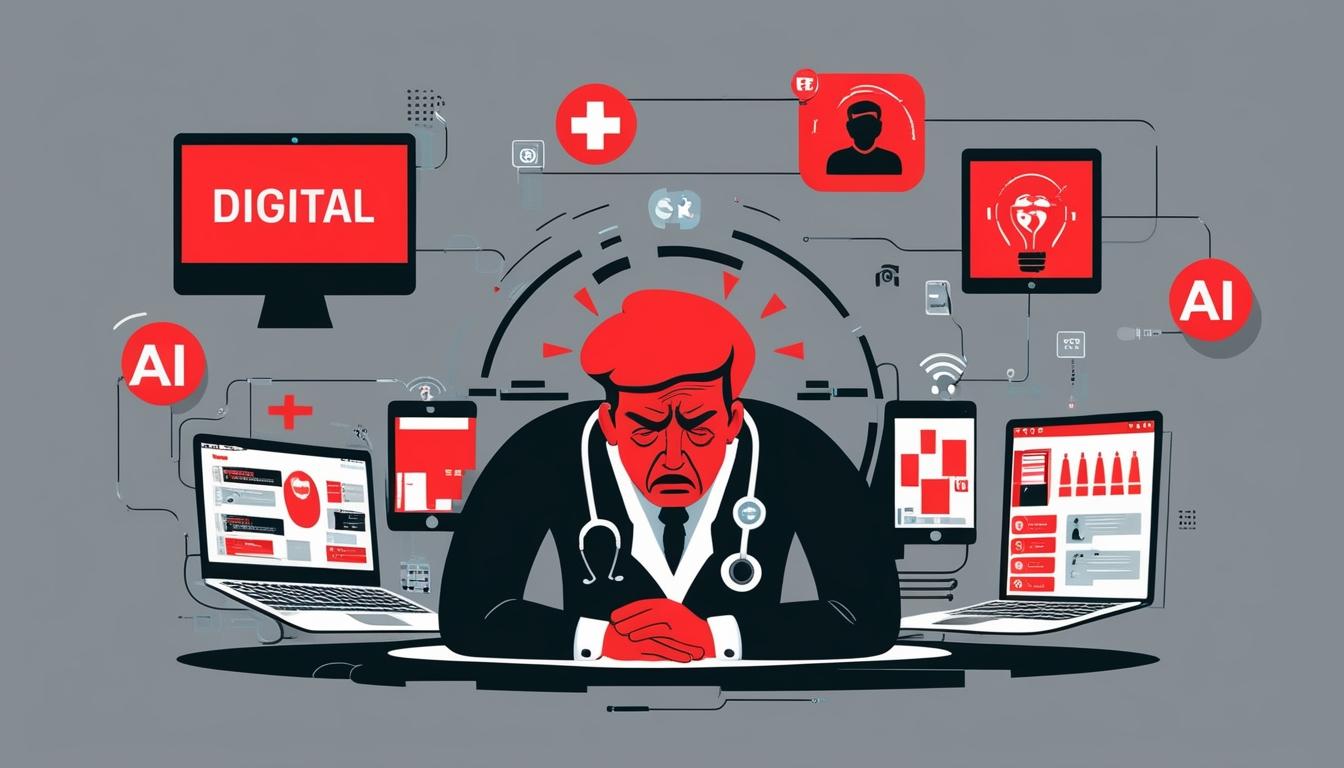
The COVID-19 pandemic has significantly highlighted the ongoing workforce challenges within the healthcare sector, yet solutions to these issues remain elusive. According to a recent report from consulting firm EY, although the rate of physician burnout appeared to dip below 50% last year, many healthcare leaders suspect this is primarily due to a reduced pool of responding doctors rather than an actual decrease in stress levels.
As healthcare providers, including health systems, private equity-owned practices, and retail health centres, strive to manage physician shortages, the necessity of distinguishing themselves as desirable employers is underscored. Kim Dalla Torre, EY’s global and Americas health leader, noted the critical nature of integrating technology into solutions. “When I work with healthcare provider clients to address these problems, technology is always part of the solution,” she declared, emphasising the role of artificial intelligence (AI) in transforming patient care.
The healthcare landscape currently sees more than 2 million clinician positions unfilled, and a staggering two-thirds of nurses express dissatisfaction with their jobs. Dalla Torre pointed out that the introduction of AI tools capable of swiftly surfacing relevant data could allow clinicians to devote more time to patient interaction. By alleviating the burden of administrative tasks like documentation and prior authorisation, employers can enhance their appeal to physician candidates.
The urgency of improving physicians' work lives has been accentuated by remarks from Mike India, a principal of healthcare strategy at EY. He highlighted the intensifying demand for clinicians spurred by payers, corporate entities, and medical product distributors expanding their service offerings. India stressed, “There’s an ever-increasing demand for clinicians,” urging that all physician employers reconsider their methods of engaging with healthcare professionals.
One potential avenue for attracting physicians could lie in the adoption of value-based care models. “New models continue to be set up where clinicians are asked to think and engage in new and different ways to help the patients and help members,” India explained. By focusing on daily health management for patients, this model can provide an engaging environment for physicians, especially for those dedicated to their patients' wellbeing. With the right technological support, the challenges of implementing value-based care can be mitigated, turning it into an appealing proposition for prospective hires.
The report from EY positions itself within the context of technological advancement, particularly AI, as a pivotal component for overcoming the entrenched workforce issues faced by the healthcare sector. As the industry grapples with these complexities, the integration of innovative technological solutions appears crucial for creating sustainable working conditions and enhancing patient care.
Source: Noah Wire Services