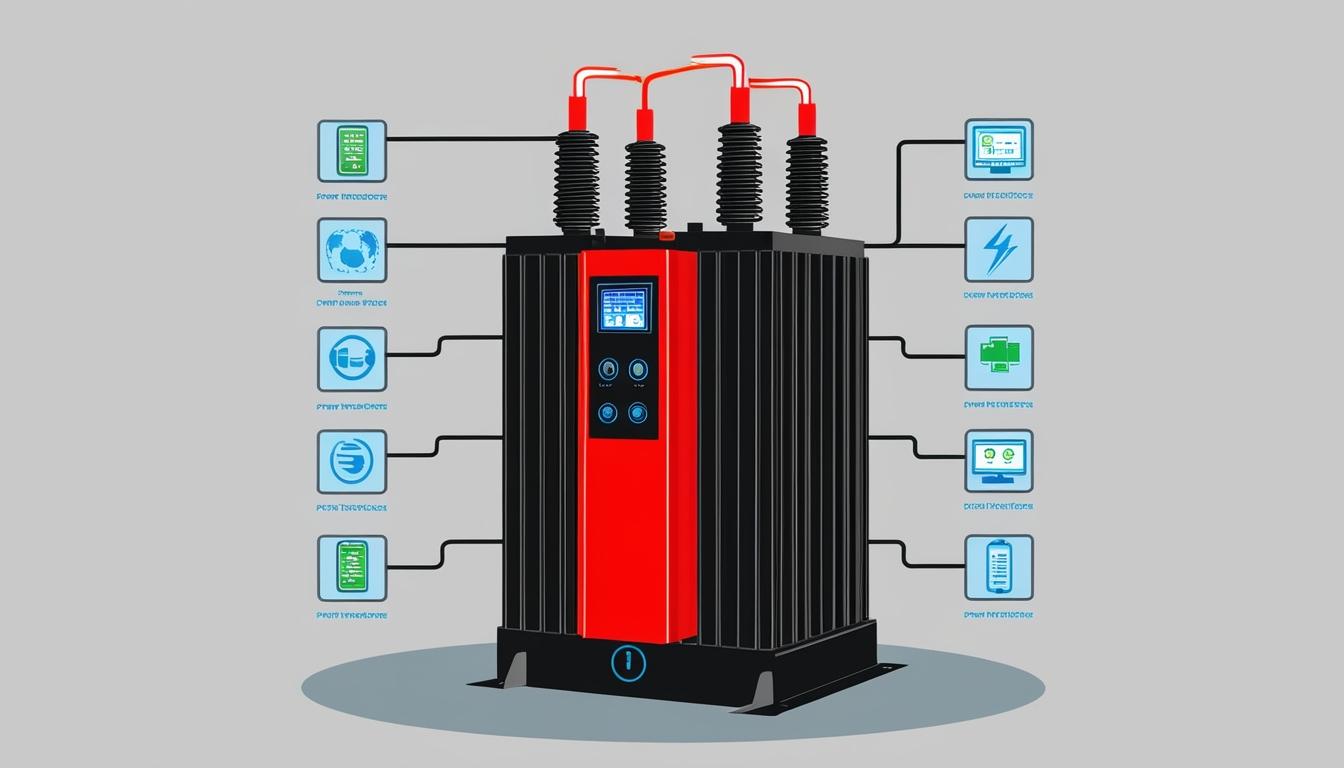
In light of the growing demand for power and the integration of renewable energy resources, the evolution of power transformers is projected to play a critical role in modern energy systems. As demand for electricity continues to surge, there is an increasing necessity for improvements in this fundamental technology.
Yusuf Latief investigates the future trajectory of power transformers in his analysis for Smart Energy International. He notes that the shift towards a climate-neutral future requires an upgrade across various components of the power system to accommodate an influx of renewable energy sources and the needs of consumers and prosumers who are adopting clean technologies.
Despite the transformer being a long-standing and reliable piece of technology, there are calls for its digital transformation to meet future demands. Digitalisation is anticipated to enhance the integration of renewable energies, with a research review published in January 2024 by scientists at the Rajshahi University of Engineering and Technology in Bangladesh proposing a new framework for next-generation power grid transformers (NGPGT). The paper highlights existing limitations in current transformer technology, particularly concerning local monitoring, interoperability, and bi-directional energy flow.
The researchers propose improvements that include features such as automatic condition monitoring, intelligent inverters, and edge computing. They assert that these advancements will empower a digital transition in transformers, ultimately enhancing their operational reliability and overall capacity in energy distribution networks.
One of the significant initiatives in this realm is the European project STRATA, which stands for Smart Transformation for Resilience And community services Through digitAl grid layers. This project aims to revolutionise the conventional distribution transformer by introducing a concept called the Smart Digital Node (SDN), envisioned as a service centre for local energy communities. The SDN is intended to provide improved distribution grid services while enhancing resilience and supporting flexibility markets.
Kari Mäki, a research professor at the VTT Technical Research Centre of Finland, explains the impetus for their research, noting the rapid integration of technologies such as photovoltaic panels and electric vehicle (EV) charging infrastructure at the building level. "Practically no one knows what’s happening there," he says, highlighting the lack of automation on low voltage grids.
The STRATA project identifies seven potential use cases for the smart transformer as a central node that include grid management, local generation hosting, and local optimisation, as well as services directed towards both the local community and market engagements. A notable element is the potential for energy communities to leverage the SDN for peer-to-peer transactions, shared resources such as EVs and PV panels, which could generate income while fostering self-sufficiency.
Mäki acknowledges that while the proposed model for transformer development is innovative, regulatory frameworks will play a vital part in its implementation. He expresses concerns about the current limitations of regulations, particularly regarding the transfer of power between customers via public networks, which involves considerations around grid tariffs.
The STRATA project bases its prototype on a Hybrid Energy Supply System (HESS) already employed in local off-grid situations. Upcoming efforts will focus on piloting the solution and use cases in practical settings, with a clear focus on the technology rather than operational aspects like user interfaces and meter billing.
As outlined by Mäki, there are still pivotal questions to address regarding ownership and funding models for this new type of transformer. The concept of a “transformer as a service” is one possibility, where grid operators pay a fee for service without ownership of the unit itself—a forward-thinking approach to energy management.
As the landscape of energy continues to evolve, the developments surrounding power transformers signal a significant shift in how energy systems might operate in an increasingly decentralised and digitalised world. The future will reveal how these concepts materialise in practical terms, with ongoing research and pilot projects anticipated to further illuminate the path forward.
Source: Noah Wire Services